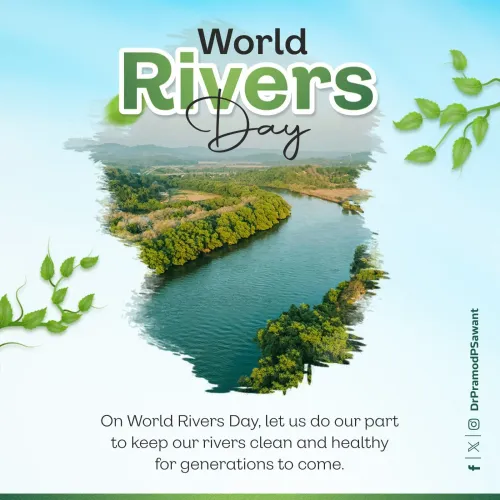
CM Sawant joins Valvanti Nadi Poojan on World Rivers Day
Synopsis
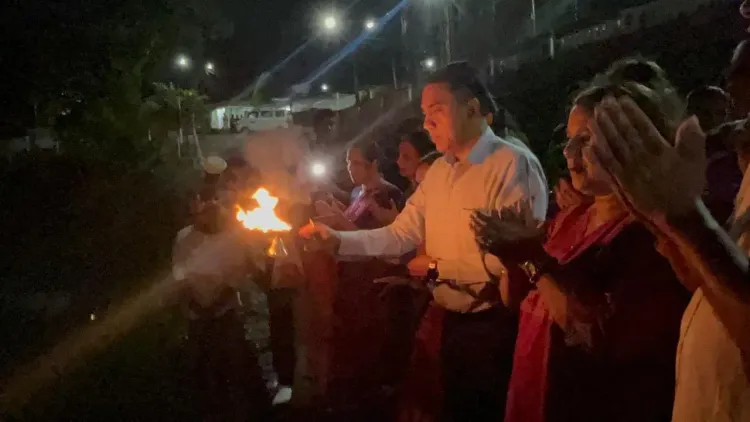
On World Rivers Day 2026, Goa Chief Minister Pramod Sawant joined the Valvanti Nadi Poojan at Vitthal Mandir, Sankhali, calling rivers a legacy for future generations and urging clean rivers for sustainable communities.
Key Takeaways
Goa Chief Minister Pramod Sawant attended the Valvanti Nadi Poojan at Vitthal Mandir, Sankhali on World Rivers Day, September 27, 2026 .
The Valvanti river flows through North Goa's Sankhali region and is central to local agricultural and cultural life.
CM Sawant described rivers as 'not just lifelines of our communities but a precious legacy for future generations.' India's National River Conservation Plan , initiated in the 1980s , forms the national policy backdrop for state-level river protection efforts.
Goa's major rivers — the Mandovi and Zuari — have been subject to ongoing pollution-abatement and desilting drives alongside smaller waterways like the Valvanti.
State budget allocations for river desilting and pollution control in the coming fiscal cycle will be the practical measure of today's commitments.
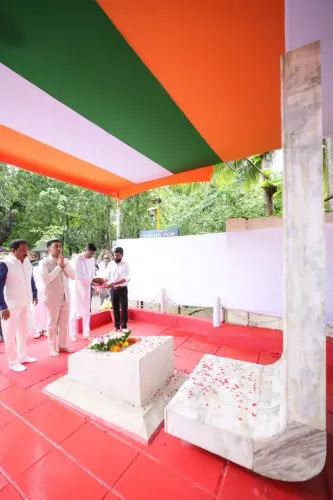
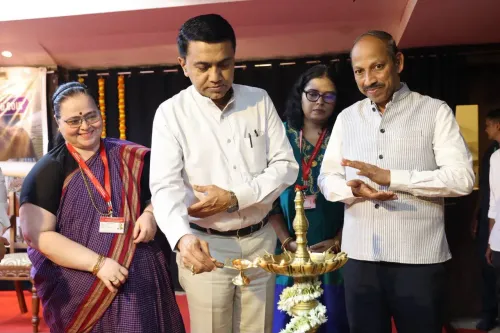
At the Vitthal Mandir in Sankhali on Sunday, September 27, 2026, Goa Chief Minister Pramod Sawant waded into a centuries-old tradition to make a thoroughly modern point — joining the Valvanti Nadi Poojan on World Rivers Day and linking ritual reverence directly to the urgency of river conservation.
A river, a ritual, and a policy signal
The Valvanti river, flowing through North Goa's Sankhali area, has long been a quiet artery of local life — irrigating fields, sustaining communities, carrying cultural memory. The Nadi Poojan (river worship ceremony) transforms that relationship into public commitment. By attending in person, CM Sawant cast the event not just as a religious observance but as a statement: rivers are 'not just lifelines of our communities but a precious legacy for future generations,' he said.
That framing matters. World Rivers Day, observed annually each September, was designed precisely to push governments beyond ceremony and into action. India's National River Conservation Plan — launched in the 1980s and expanded over successive decades — provides the broader national architecture within which state-level pledges like Sawant's are supposed to land. Goa's own river story extends well beyond the Valvanti: the Mandovi and Zuari, the state's two major rivers, have been focal points of pollution-abatement drives and desilting debates for years.
Culture meets conservation in Goa's river politics
Indian state governments have made a pattern of marking World Rivers Day with local rituals that double as policy messaging. The combination of poojan (worship) and pledges on ecosystem health is deliberate — it speaks to communities whose connection to rivers is as spiritual as it is practical. Goa, with its dense network of smaller rivers and estuaries, is particularly exposed to the consequences of neglect: siltation, encroachment, and run-off from rapid coastal development all threaten water quality and biodiversity.
CM Sawant framed the challenge in the clearest possible terms: 'Clean Rivers. Healthy Communities. Sustainable Future.' Three short phrases, three interlocked ideas — and a yardstick by which Goa's river-management record will now be measured.
The real test comes in the budget cycle ahead. Goa's state allocations for river desilting, pollution control, and ecosystem restoration in the coming fiscal year will reveal whether Sunday's poojan was prologue to policy — or simply a well-photographed ritual.
Point of View
Making symbolic gestures easy fodder for opposition scrutiny if unaccompanied by budget outlays. The explicit framing — 'Clean Rivers, Healthy Communities, Sustainable Future' — sets a measurable benchmark that civil society and voters in riverine communities will hold up against actual policy delivery. For the BJP government in Panaji, river conservation is increasingly an electoral asset in a state where ecological identity runs deep.
NationPress
28 Sept 2026
Frequently Asked Questions
What is World Rivers Day and when is it observed?
World Rivers Day is an annual global observance held on the last Sunday of September each year, dedicated to raising awareness about river ecosystems and the need to protect them. In 2026 it falls on September 27.
Where is the Valvanti river located in Goa?
The Valvanti river flows through the Sankhali area in North Goa, serving local agricultural and community needs and holding cultural significance for riverside settlements.
What is a Nadi Poojan?
A Nadi Poojan is a traditional Hindu river worship ceremony in which communities offer prayers and rituals to a river, expressing gratitude for its role as a life-giving resource and seeking its continued health.
What is India's National River Conservation Plan?
India's National River Conservation Plan is a central government programme launched in the 1980s and expanded over successive decades to address pollution and ecosystem degradation in the country's major and minor rivers, including those in Goa.
What rivers in Goa are under conservation focus?
Goa's two major rivers, the Mandovi and the Zuari, have been focal points of pollution-abatement and desilting efforts, alongside smaller rivers such as the Valvanti in North Goa.