Rajasthan CM Bhajan Lal Sharma orders fast-track Dewas Project, Udaipur blueprint
Synopsis
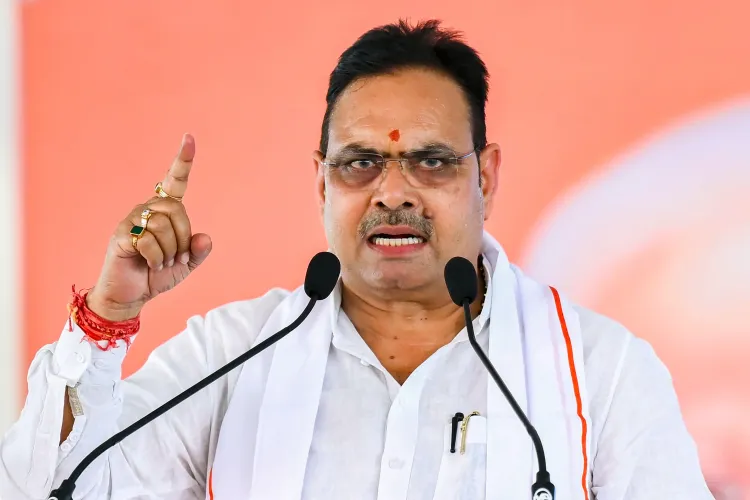
Rajasthan Chief Minister Bhajan Lal Sharma visited Udaipur on 6 May and issued a sweeping set of directives — from fast-tracking the Dewas Project's final phases to replicating AI-based traffic systems citywide. The meeting signals a pre-monsoon administrative blitz for Rajasthan's most visited city.
Key Takeaways
CM Bhajan Lal Sharma chaired a district review meeting in Udaipur on 6 May 2025 .
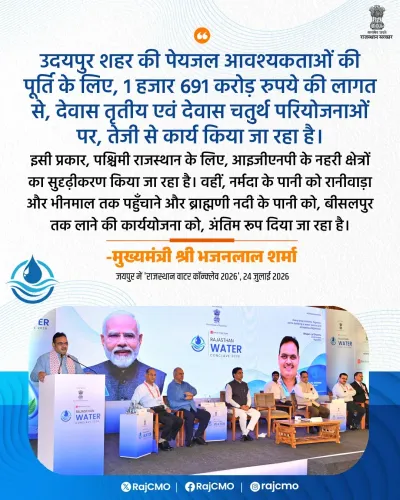
Officials ordered to fast-track the Dewas Project's third and fourth phases to end water shortages in Udaipur's lakes.
UDA and Municipal Corporation directed to prepare a development plan covering a 25–30 km radius around the city.
AI-based traffic control system at Fatehpura intersection to be replicated at other major city junctions.
All ongoing development works to be completed before the monsoon season ; sewerage and pipeline projects prioritised.
Gram Rath Yatra campaign covering 13 government departments to have mandatory SDO and Tehsildar presence.
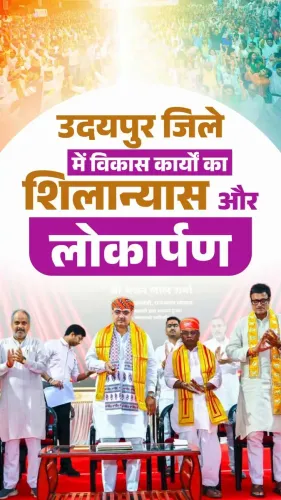
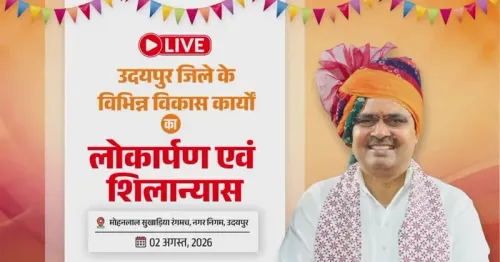
Rajasthan Chief Minister Bhajan Lal Sharma on Wednesday, 6 May chaired a high-level district review meeting at the District Council Auditorium in Udaipur, directing officials to prepare a comprehensive, future-oriented development blueprint for the city, factoring in projected population growth and evolving urban requirements. The Chief Minister's directives spanned road infrastructure, water supply, traffic management, cleanliness, and the long-pending Dewas Project.
Dewas Project Gets Urgent Push
Sharma placed special emphasis on the Dewas Project, ordering officials to expedite its execution without further delay. He noted that completion of the project's third and fourth phases would permanently resolve water shortages in Udaipur's iconic lakes — a critical concern for both residents and the city's tourism economy. The project has long been seen as central to the city's long-term water security.
Urban Development: Roads, Ring Road and Sewerage
The Chief Minister instructed the Udaipur Development Authority (UDA) and the Municipal Corporation to formulate a special action plan covering development possibilities within a 25–30 km radius of the city. He called for accelerated progress on the city's Ring Road project and directed all departments to complete ongoing development works before the onset of the monsoon season to prevent public inconvenience. Sewerage and pipeline projects were flagged as top priorities.
Tourism, Cleanliness and Smart Traffic
Highlighting Udaipur's standing as Rajasthan's premier tourist destination, Sharma stressed the need for structured urban planning to protect and enhance the city's appeal. He praised the AI-based traffic control system deployed at the Fatehpura intersection and directed that it be replicated at other major junctions across the city. On sanitation, he called for a focused action plan to improve Udaipur's cleanliness rankings and urged active collaboration among institutions, industrial bodies, and citizens.
Accountability and Gram Rath Yatra
Reiterating the principle of public accountability, Sharma stated that public servants are answerable to citizens and must maintain complete transparency in welfare works. He directed officials to incorporate suggestions from elected public representatives during the planning and execution of development schemes. Referring to the ongoing 'Gram Rath Yatra' campaign — aimed at spreading awareness about the functioning of 13 government departments — he directed that Sub-Divisional Officers (SDOs) and Tehsildars remain present during all outreach programmes to engage directly with the public.
Key Officials and Elected Representatives Present
The meeting saw presentations from officials across departments including Water Resources, Power Transmission, Public Works, Medical and Health, and Water Supply. Divisional Commissioner Pragya Kewalramani briefed the Chief Minister on the administrative status of the division. UDA Commissioner and Municipal Corporation Commissioner Abhishek Khanna shared updates on urban development works, while Superintendent of Police Dr Amrita Duhan presented a report on traffic management measures. Elected representatives present included Rajya Sabha member Chunnilal Garasiya, Lok Sabha member C.P. Joshi, and MLAs Tarachand Jain, Phool Singh Meena, Shanta Devi, and Pratap Gameti. The meeting signals a concerted administrative push to transform Udaipur into a model urban centre ahead of the monsoon and beyond.
Point of View
And chronic water mismanagement has already cost the city in tourism seasons past. The AI traffic pilot at Fatehpura is a genuine bright spot, but scaling it citywide requires procurement discipline that has historically been uneven. The real test of Wednesday's meeting will be whether the 'comprehensive blueprint' ordered for the 25–30 km radius actually gets notified — or quietly joins the shelf of unexecuted master plans.
NationPress
21 Sept 2026
Frequently Asked Questions
What is the Dewas Project in Udaipur?
The Dewas Project is a major water supply scheme for Udaipur designed to address chronic water shortages in the city's lakes and residential areas. Chief Minister Bhajan Lal Sharma directed officials on 6 May 2025 to fast-track its third and fourth phases, which are expected to permanently resolve the city's water deficit.
What development blueprint has been ordered for Udaipur?
The Udaipur Development Authority (UDA) and Municipal Corporation have been directed to prepare a special action plan covering urban development possibilities within a 25–30 km radius of the city, accounting for projected population growth, road infrastructure, traffic management, and civic amenities.
What is the Gram Rath Yatra campaign mentioned by CM Sharma?
Gram Rath Yatra is an ongoing outreach campaign by the Rajasthan government aimed at spreading public awareness about the functioning of 13 government departments. CM Sharma directed that SDOs and Tehsildars must be physically present during all such programmes to directly engage with citizens.
What is the AI-based traffic system at Fatehpura and why is it significant?
An AI-based traffic control system has been implemented at the Fatehpura intersection in Udaipur to improve traffic flow management. CM Sharma praised the initiative and ordered its replication at other major junctions in the city, signalling a push toward smart urban mobility solutions.
Why is Udaipur's urban development significant for Rajasthan?
Udaipur is Rajasthan's premier tourist destination, and its urban infrastructure directly impacts tourism revenue and quality of life. Structured planning for roads, water supply, and cleanliness is seen as essential to sustaining the city's economic and cultural standing.