CM Shivakumar Honours Sanitation Workers at Bengaluru Palace Grounds
Synopsis
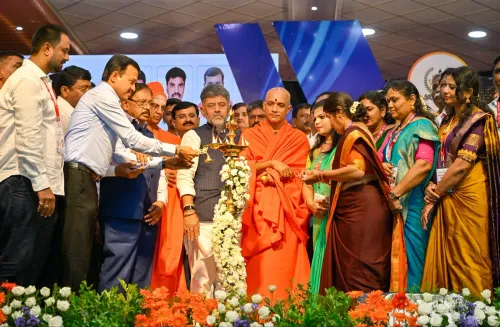
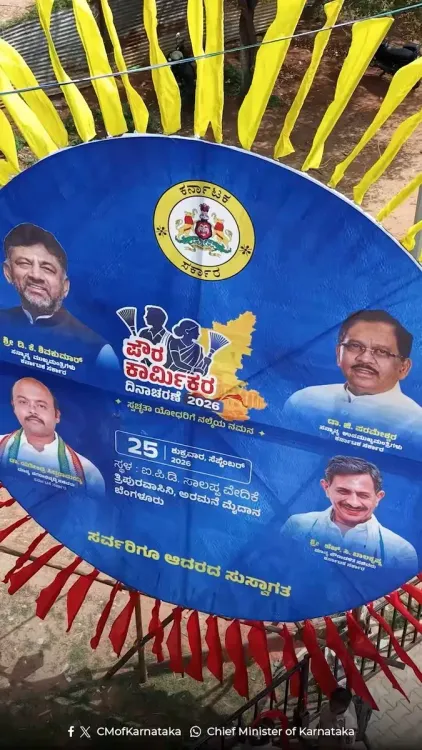
Karnataka Chief Minister DK Shivakumar inaugurated Pourakarmika Dinachaarne at Bengaluru's Palace Grounds on 26 September 2026, publicly honouring civic sanitation workers as 'karmayogis and warriors of the cleanliness revolution' in a ceremony spotlighting urban sanitation welfare.
Key Takeaways
CM DK Shivakumar inaugurated Pourakarmika Dinachaarne at Palace Grounds, Bengaluru on 26 September 2026 .
He called sanitation workers 'true karmayogis, kayakajivigalu, and warriors of the swachhate kranti (cleanliness revolution)'.
The event honours Karnataka's civic sanitation workforce, which includes thousands employed under BBMP and other municipal bodies.
The recognition connects to the national Swachh Bharat Mission launched in 2014 , which brought sanitation worker welfare into formal policy.
The CM's language drew on the kayaka (dignified labour) philosophy rooted in Karnataka's Basavanna-Veerashaiva tradition.
Welfare follow-ups — including pay revisions, safety gear and health cover for pourakarmikas — are being watched after the ceremony.
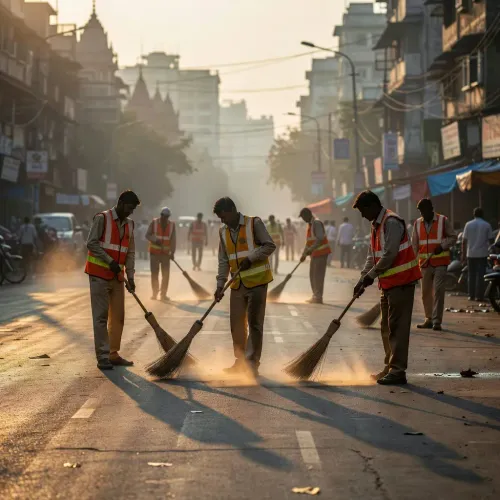
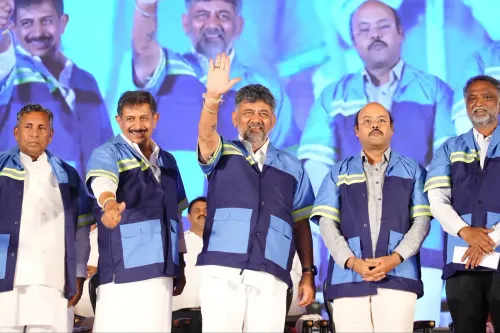
They sweep the streets before the city wakes, and they rarely make headlines — until a Chief Minister calls them 'karmayogi, kayakajivi' ('devotees of labour, warriors of cleanliness'). On Saturday, 26 September 2026, Karnataka Chief Minister DK Shivakumar inaugurated Pourakarmika Dinachaarne — the civic sanitation workers' day — at the historic Palace Grounds in Bengaluru, offering a public tribute to the men and women who keep India's IT capital from choking on its own growth.
Speaking at the event, Chief Minister Shivakumar said: 'Shramadalle Shivananu kaanuva nitya nairmalyagaaru pourakarmikaru. Ivaru nijavada karmayogi, kayakajivigalu, swachhate krantiya saradaaru.' — translated: 'Sanitation workers who see God in their labour are the true karmayogis, the warriors of the cleanliness revolution.' The line was not bureaucratic ceremony. It was a deliberate elevation of one of India's most overlooked workforces into the language of devotion and revolution at the same time.Why Palace Grounds — and why now
Bengaluru's Palace Grounds is one of Karnataka's most prominent public venues, and choosing it for Pourakarmika Dinachaarne was itself a statement. The city's sanitation workforce operates under punishing conditions: rapid urbanisation, exploding daily waste volumes, and the constant pressure of serving a population that has grown faster than the infrastructure meant to support it. Public ceremonies at flagship venues signal to the workforce — and to municipal administration — that the political leadership considers this a priority. Karnataka has held recurring events to honour pourakarmikas, but such recognition sits within a broader national arc. The Swachh Bharat Mission, launched in 2014, formally brought sanitation worker welfare into national policy conversation. State governments, including Karnataka's, have since used annual observances to renew that focus — and, in many cases, to precede or accompany concrete welfare announcements on wages, safety equipment, or insurance.The human face behind urban sanitation
India's urban sanitation workforce runs into hundreds of thousands, and Karnataka's municipal corporations — Bruhat Bengaluru Mahanagara Palike (BBMP) being the largest — depend on this cadre for daily door-to-door waste collection, street sweeping, and drain clearance. These workers, many from marginalised communities, often lack formal job security, protective gear, and access to health cover. Events like Pourakarmika Dinachaarne have historically served as pressure points to push those gaps onto the policy agenda. Chief Minister Shivakumar's framing — invoking karmayoga, the Bhagavad Gita's ideal of selfless work — placed the acknowledgement in cultural and spiritual registers that resonate deeply in Karnataka, where the Basavanna-era kayaka (dignified labour) philosophy has deep roots in the Veerashaiva-Lingayat tradition. The reference to 'swachhate kranti' (cleanliness revolution) simultaneously echoed the Swachh Bharat idiom, connecting local honour to national mission. Whether Saturday's ceremony is followed by concrete welfare announcements — revised pay scales, enhanced safety kits, or health insurance upgrades — will determine its lasting impact beyond the symbolism of a morning at Palace Grounds.Point of View
Distinct from the BJP's framing of the same mission. The real test, however, is whether the ceremony is the start of a welfare revision cycle — or the sum of it. In a state managing rapid urbanisation and contested BBMP governance, the political optics of honouring sanitation workers can only travel so far without corresponding budget commitments.
NationPress
26 Sept 2026
Frequently Asked Questions
What is Pourakarmika Dinachaarne in Karnataka?
Pourakarmika Dinachaarne is a state-level observance in Karnataka that honours civic sanitation workers — street sweepers, waste collectors, and drain cleaners employed by urban local bodies. The event recognises their contribution to public cleanliness and urban health.
Who are pourakarmikas and what do they do?
Pourakarmikas are civic sanitation workers employed by Karnataka's municipal corporations, including BBMP in Bengaluru. They handle door-to-door waste collection, street sweeping, drain clearance, and daily sanitation maintenance across the city.
What did DK Shivakumar say about sanitation workers at the 2026 event?
CM DK Shivakumar called pourakarmikas 'true karmayogis, kayakajivigalu, and warriors of the cleanliness revolution,' saying they 'see God in their labour' — framing their daily work in the language of spiritual devotion and social revolution.
Where was the Pourakarmika Dinachaarne 2026 event held?
The event was held at Palace Grounds in Bengaluru, one of Karnataka's most prominent public venues, on 26 September 2026.
What welfare benefits are Karnataka's sanitation workers eligible for?
Karnataka's pourakarmikas are covered under various state and central welfare schemes, but gaps remain in formal job security, protective equipment, and health insurance. Events like Pourakarmika Dinachaarne are often followed by policy announcements on wages and safety measures, though specifics from the September 2026 event are awaited.