CM Shivakumar Launches 'Freedom From Waste' Drive in Bengaluru
Synopsis
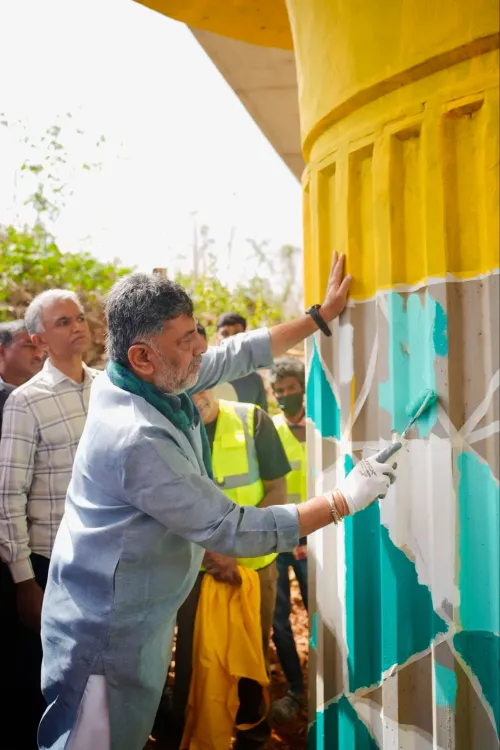
Chief Minister DK Shivakumar launched the 'Freedom From Waste — Let's Just Clean Bengaluru' campaign on 1 August 2026 at Hebbal, targeting the removal of 22,372 tonnes of accumulated waste from roads, flyovers, and public spaces across the city.
Key Takeaways
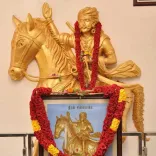
CM DK Shivakumar launched the 'Freedom From Waste' campaign on 1 August 2026 near the Nadaprabhu Kempegowda statue at Hebbal Flyover, Bengaluru .
The campaign targets 22,372 tonnes of accumulated waste including construction debris, solid waste, old electric poles, pipes, soil mounds, weeds, and tree branches.
Greater Bengaluru Development Minister Krishna Byre Gowda co-led the launch alongside senior ministers, MPs, MLAs, and city commissioners.
The drive covers major roads, flyovers, footpaths, and public spaces across Bengaluru with a goal of sustained cleanliness, not a single-day event.
The government has called for active citizen participation to achieve a 'waste-free Bengaluru.'
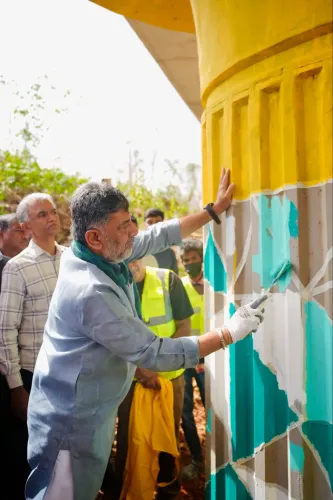
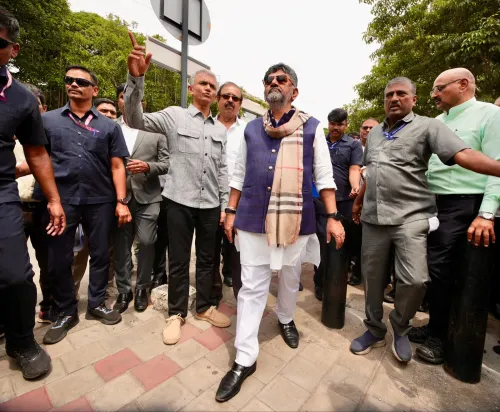
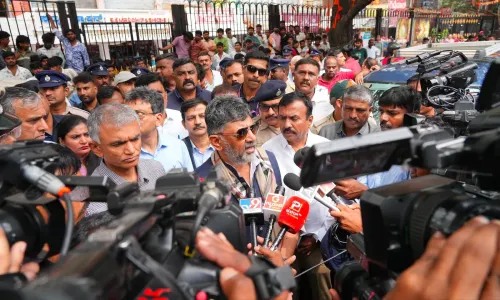
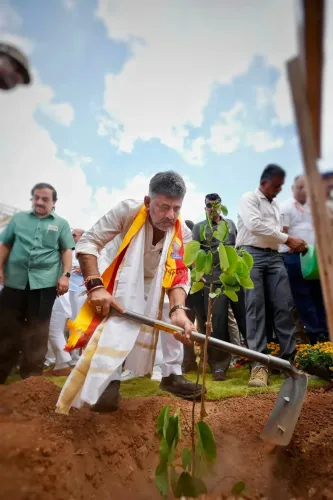
Bengaluru's roads, flyovers, and footpaths have long carried a burden the city's global reputation rarely mentions — mountains of construction debris, overgrown weeds, rusting old poles, and mounds of accumulated solid waste. On Saturday, 1 August 2026, the Karnataka government moved to change that, as Chief Minister DK Shivakumar launched the 'Freedom From Waste — Let's Just Clean Bengaluru' campaign at the foot of the Nadaprabhu Kempegowda statue near Hebbal Flyover, flanked by senior ministers and city officials.
What the campaign targets — and the scale of it
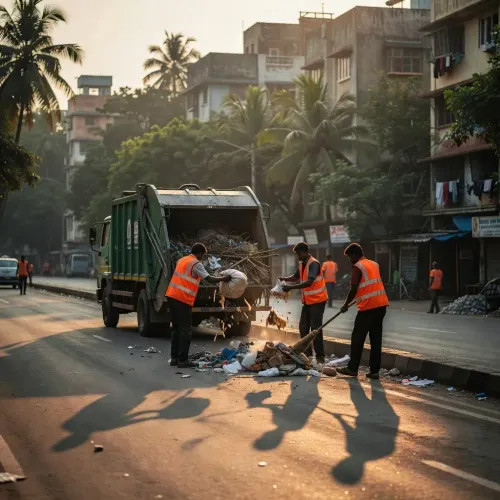
The numbers alone tell the story. The drive aims to clear 22,372 tonnes of accumulated waste across the city — a figure that spans construction and demolition debris, solid waste, old electric poles, pipes, soil mounds, overgrown weeds, and tree branches. The sweep covers Bengaluru's major roads, flyovers, footpaths, and public spaces, with the government framing it as a sustained cleanliness drive, not a one-day event.
Greater Bengaluru Development Minister Krishna Byre Gowda co-led the launch, underscoring that the campaign sits at the intersection of urban governance and civic pride. The choice of the Kempegowda statue at Hebbal — a monument to the city's 16th-century founder — as the symbolic launchpad was deliberate: a city honouring its origins by reclaiming its streets.
Who stood on that stage at Hebbal
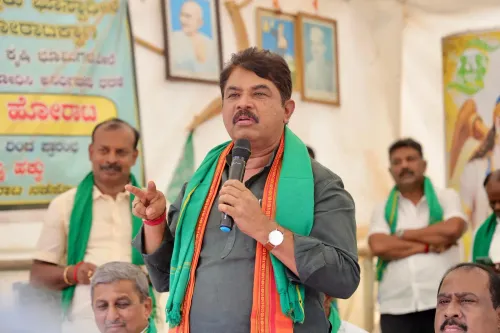
The gathering signalled political weight behind the initiative. Energy Minister KJ George, Member of Parliament Shobha Karandlaje, MLAs SR Vishwanath and AC Srinivas, Greater Bengaluru Authority Commissioner Maheshwar Rao, and Bengaluru City Police Commissioner Seemant Kumar Singh were all present — an unusual cross-section of legislative, administrative, and law-enforcement leadership at a civic cleanliness launch.
Bengaluru's recurring waste problem and what's different this time
India's IT capital has seen periodic cleanliness campaigns over the past decade, each promising transformation and each running into the structural challenge of a city growing faster than its civic infrastructure. Bengaluru, home to millions and a magnet for construction activity, generates waste at a pace that has repeatedly overwhelmed routine municipal operations. The Swachh Bharat Mission, launched by the Government of India in 2014, set a national framework for solid-waste management — but city-specific execution has remained uneven.
The government's appeal for 'active participation and cooperation of citizens' signals that the administration knows the 22,372-tonne target cannot be met by official machinery alone. The real test will be whether this campaign holds momentum beyond its launch day — and whether the Greater Bengaluru Authority publishes progress reports against that clearance target.
A cleaner Bengaluru is not just an aesthetic goal — it is a public-health imperative for a city that the world watches. The campaign has begun. The city is waiting to see if it lands.
Point of View
Who holds the Greater Bengaluru portfolio close, a visibly cleaner city before the next electoral cycle is both a governance deliverable and a political asset. The presence of a cross-party MP alongside Congress ministers also signals an attempt to frame this as civic, not partisan. The critical variable is follow-through: Bengaluru has seen this film before, and residents will judge the campaign by what the streets look like in six weeks, not six hours.
NationPress
1 Aug 2026
Frequently Asked Questions
What is the 'Freedom From Waste' campaign in Bengaluru?
'Freedom From Waste — Let's Just Clean Bengaluru' is a civic cleanliness drive launched by Chief Minister DK Shivakumar on 1 August 2026, aimed at clearing 22,372 tonnes of accumulated waste including construction debris, solid waste, old poles, pipes, and overgrown weeds from roads, flyovers, and public spaces across the city.
Where was the Freedom From Waste campaign launched?
The campaign was launched near the statue of Nadaprabhu Kempegowda at Hebbal Flyover in Bengaluru.
How much waste will be cleared under the Bengaluru cleanliness drive?
The campaign targets the removal of 22,372 tonnes of accumulated waste, covering construction and demolition debris, solid waste, old electric poles, pipes, soil mounds, overgrown weeds, and tree branches.
Who attended the Freedom From Waste launch in Bengaluru?
Chief Minister DK Shivakumar, Greater Bengaluru Development Minister Krishna Byre Gowda, Energy Minister KJ George, MP Shobha Karandlaje, MLAs SR Vishwanath and AC Srinivas, Greater Bengaluru Authority Commissioner Maheshwar Rao, and Bengaluru City Police Commissioner Seemant Kumar Singh attended the launch.
Is the Bengaluru waste campaign linked to Swachh Bharat Mission?
The campaign aligns with the broader national framework of the Swachh Bharat Mission, launched by the Government of India in 2014 for solid-waste management, though it is a Karnataka state-level initiative targeting Bengaluru specifically.