CM Shivakumar Meets Japanese Urban Agency Delegation at Vidhana Soudha
Synopsis
Chief Minister D.K. Shivakumar received a Japanese delegation from the Urban Renaissance Agency at Vidhana Soudha on June 9, 2026, discussing sustainable urban planning, housing redevelopment, and global best practices for inclusive, resilient city-building in Karnataka.
Key Takeaways
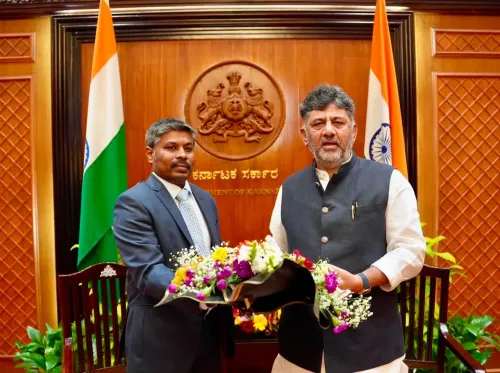
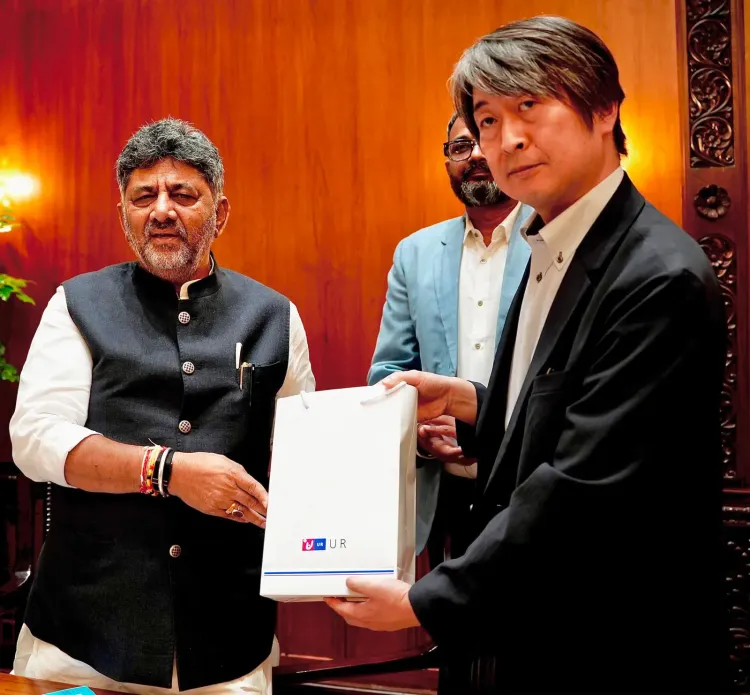
Shivakumar met Hiduki Igucchi , Project Director of Japan's Urban Renaissance Agency , at Vidhana Soudha on June 9, 2026 .
Discussions covered sustainable urban planning, housing redevelopment, and exchange of global best practices.
The Urban Renaissance Agency is a Japanese public body established in 2004 specialising in urban regeneration and disaster-resilient housing.
MLAs Satish Sail , Mankal Vaidya , and Shivaram Hebbar attended the meeting alongside the Chief Minister.
The engagement builds on the India-Japan Urban Development Cooperation framework and Karnataka's participation in the Smart Cities Mission .
A follow-up MoU or pilot project announcement may come during the next state legislative session or budget review.
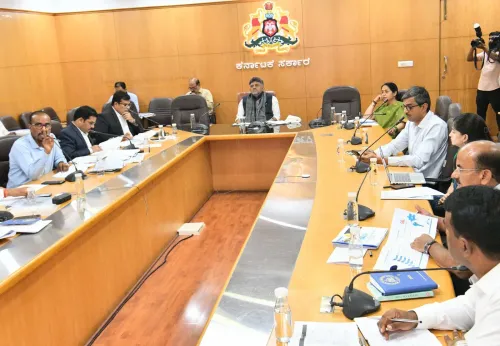
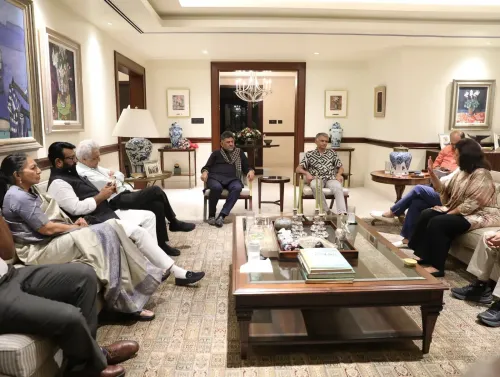
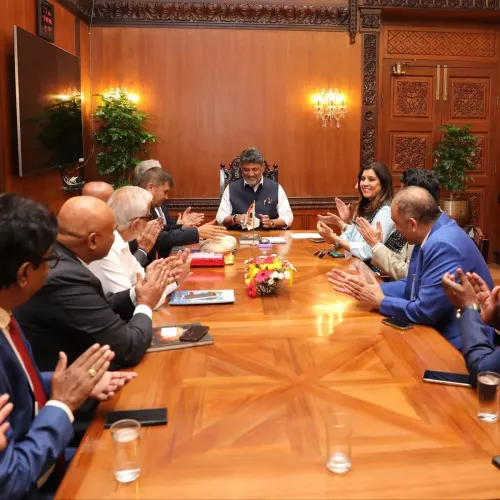
Chief Minister D.K. Shivakumar met a Japanese delegation led by Hiduki Igucchi, Project Director of Japan's Urban Renaissance Agency, at Vidhana Soudha, Bengaluru, on Tuesday, June 9, 2026. The meeting centred on sustainable urban planning, housing redevelopment, and the exchange of global best practices for building inclusive and resilient cities in Karnataka.
Context
The Chief Minister's Office of Karnataka confirmed that the interaction explored frameworks for 'inclusive, resilient, and future-ready urban development' in the state. CM Shivakumar reaffirmed the government's commitment to cities that are 'globally competitive while remaining people-centric and environmentally sustainable.' MLAs Satish Sail, Mankal Vaidya, and Shivaram Hebbar were also present at the meeting.
Policy Backdrop
The Urban Renaissance Agency is a Japanese public corporation established in 2004, focused on urban regeneration, disaster-resilient housing, and sustainable city planning. India and Japan built a formal 'India-Japan Urban Development Cooperation' framework during the 2014–2017 period, covering housing and sustainable planning exchanges — a foundation that state-level engagements like this one continue to build upon.
Karnataka was among the states that participated in India's Smart Cities Mission, launched in 2015, with Bengaluru selected for technology-driven urban upgrades. The state has consistently invited foreign technical delegations to address rapid urbanisation pressures in Bengaluru and its tier-2 cities. Japan has emerged as a recurring partner for India in transferring expertise on compact city design, seismic-resistant housing, and public-space redevelopment.
Stakeholders and Impact
Urban local bodies, city residents, and housing developers across Karnataka stand to benefit if the discussions translate into concrete technical cooperation. The engagement signals Karnataka's intent to supplement domestic urban schemes with international models, particularly Japanese expertise in high-density, disaster-resilient urban design. Such bilateral exchanges typically inform planning standards and pilot projects rather than replacing central government programmes.
The presence of three sitting MLAs at the meeting indicates legislative stakeholders are being kept in the loop on urban development strategy — a signal that any follow-up proposals may find early support in the state assembly.
What's Next
Observers will watch for any follow-up Memorandum of Understanding or pilot redevelopment project announcements in the next state legislative session or during Karnataka's annual urban development budget review. The visit fits a broader pattern of Karnataka using high-level foreign delegations to build the policy case for ambitious urban infrastructure investment. Whether this engagement produces binding agreements or remains at the level of knowledge exchange will determine its long-term significance for the state's urban landscape.
Point of View
Disaster-resilient design is not coincidental — it aligns with Tokyo's broader infrastructure diplomacy in South Asia. For CM Shivakumar, who has made urban infrastructure a centrepiece of his administration, such meetings build political capital around development credentials ahead of future electoral cycles. The real test will be whether this dialogue produces binding technical agreements or remains a high-profile but non-committal exchange of ideas.
NationPress
26 Oct 2026
Frequently Asked Questions
Who is Hiduki Igucchi and why did he visit Karnataka?
Hiduki Igucchi is the Project Director of Japan's Urban Renaissance Agency, a public body focused on urban regeneration and disaster-resilient housing. He led a delegation that called on CM D.K. Shivakumar at Vidhana Soudha on June 9, 2026, to discuss sustainable urban planning and housing redevelopment in Karnataka.
What is the Urban Renaissance Agency of Japan?
The Urban Renaissance Agency is a Japanese public corporation established in 2004. It specialises in large-scale urban regeneration, compact city design, seismic-resistant housing, and sustainable public-space redevelopment.
What was discussed in the CM Shivakumar-Japan delegation meeting?
The meeting focused on sustainable urban planning, housing redevelopment, and the exchange of global best practices to support inclusive, resilient, and future-ready urban development across Karnataka.
What is Karnataka's history of urban cooperation with Japan?
India and Japan established an 'India-Japan Urban Development Cooperation' framework during 2014–2017 covering housing and sustainable planning. Karnataka has since regularly invited Japanese and other foreign technical delegations to address urbanisation pressures in Bengaluru and tier-2 cities.
Will Karnataka sign an MoU with Japan's Urban Renaissance Agency?
No MoU has been announced following the June 9 meeting. Observers are watching for potential agreements during the next Karnataka legislative session or the state's annual urban development budget review.