CM Shivakumar Performs Nandidhwaja Puja at Mysore Palace for Dasara
Synopsis
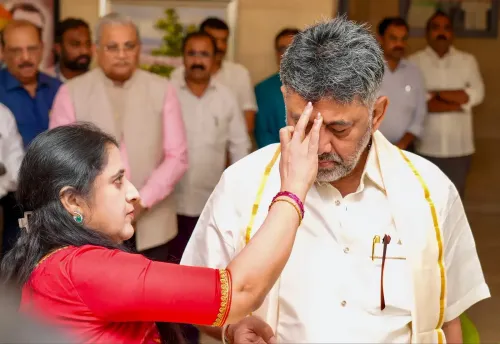
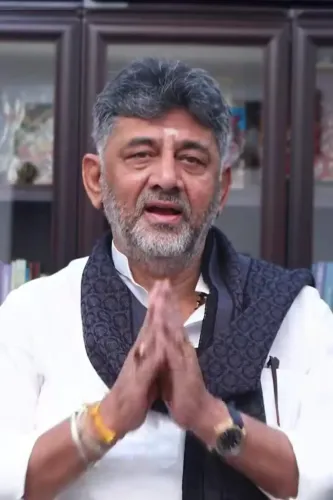
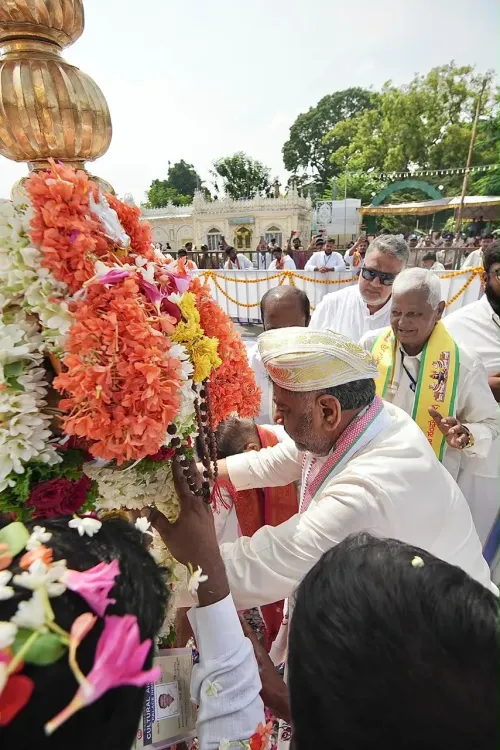
Chief Minister DK Shivakumar performed the Nandidhwaja puja at the Balarama Dwara of Mysore Palace on 21 October 2026, formally initiating the Dasara festival rituals and praying for Karnataka's prosperity. Ministers and legislators attended the ceremony ahead of the Jamboo Savari procession.
Key Takeaways
CM DK Shivakumar performed the Nandidhwaja puja at Mysore Palace's Balarama Dwara on 21 October 2026 .
The puja formally inaugurates the Mysore Dasara festival rituals, signalling the start of the celebration season.
Shivakumar prayed for the prosperity, happiness, peace, and welfare of all people of Karnataka during the ceremony.
Ministers, legislators, and several other dignitaries attended the event at the palace.
The Nandidhwaja puja is the traditional religious precursor to the historic Jamboo Savari elephant procession.
Karnataka governments have maintained these Wodeyar-era royal customs since the end of princely rule to preserve the region's heritage.
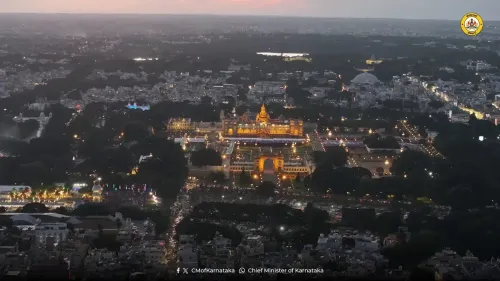
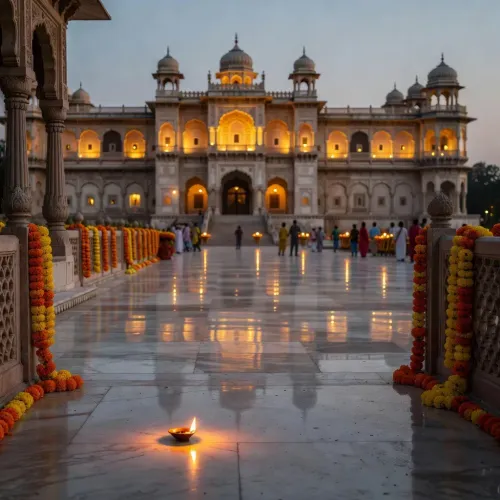
A sacred flag rises at the Balarama Dwara of Mysore Palace, and with it, the countdown to one of India's most spectacular royal processions begins. Chief Minister DK Shivakumar performed the Nandidhwaja puja at the historic gateway on Wednesday, 21 October 2026, formally opening the ritual arc of Mysore Dasara — the state festival that transforms the city of Mysore into a living theatre of heritage, faith, and colour.
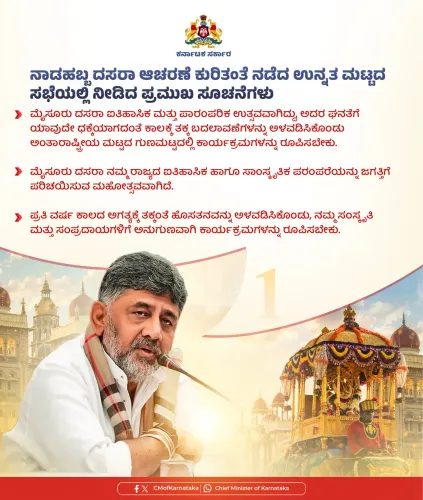
The Chief Minister's Office of Karnataka announced that Shivakumar offered prayers at the Balarama Dwara for the prosperity, happiness, peace, and welfare of all people of the state — ನಾಡಿನ ಸಮೃದ್ಧಿ, ಸುಖ-ಶಾಂತಿ ಹಾಗೂ ಸರ್ವರ ಕಲ್ಯಾಣ ('the prosperity, happiness-peace, and welfare of all'). Ministers, legislators, and several other dignitaries were present for the ceremony.Why the Nandidhwaja Puja Matters to Mysore Dasara
The Nandidhwaja is not merely a flag-hoisting. It is the ritual ignition of the entire Dasara sequence — the formal religious sanction that sets the historic Jamboo Savari elephant procession in motion. In Mysore's Dasara tradition, this puja carries the weight of centuries: it is simultaneously an act of royal-era statecraft, a declaration of cultural identity, and a community prayer offered on behalf of the whole of Karnataka.
The ceremony is rooted in the customs of the Wodeyar dynasty, whose elaborate Dasara observances at the Mysore Palace became a defining feature of the region's heritage. After the end of princely rule, successive Karnataka governments took on the stewardship of these rituals, ensuring that the grandeur of the occasion — and its religious and cultural protocols — continued uninterrupted.
Jamboo Savari on the Horizon
The Nandidhwaja puja marks the beginning, not the peak. The centrepiece that follows is the Jamboo Savari, the grand elephant procession that carries the idol of Goddess Chamundeshwari atop a gilded howdah through the streets of Mysore, drawing hundreds of thousands of visitors and devotees from across the country and abroad. The state government's sustained investment in Dasara is also an investment in Karnataka's single largest cultural-tourism moment of the year.
For Shivakumar and the Congress-led Karnataka government, appearing at the Balarama Dwara connects the administration to a tradition that transcends party lines — a deliberate signal that governance and cultural continuity walk together. The Nandidhwaja now flies; Mysore's grandest week is officially underway.
Point of View
Presiding over these ceremonies signals continuity and broad-based cultural appeal beyond its political base. The Nandidhwaja puja also underscores how state governments deploy religious-cultural events as soft-power tools to boost regional identity and tourism simultaneously. The real test of commitment will come in the scale and organisation of the Jamboo Savari procession that follows.
NationPress
21 Oct 2026
Frequently Asked Questions
What is the Nandidhwaja puja at Mysore Dasara?
The Nandidhwaja puja is a flag-pole ritual performed at the Balarama Dwara of Mysore Palace that formally initiates the Dasara festival ceremonies, including the historic Jamboo Savari elephant procession. It is a tradition rooted in the customs of the Wodeyar dynasty.
Who performed the Nandidhwaja puja in 2026?
Chief Minister DK Shivakumar performed the Nandidhwaja puja at the Balarama Dwara of Mysore Palace on 21 October 2026 as part of the Mysore Dasara celebrations.
What is the Jamboo Savari procession?
The Jamboo Savari is the grand elephant procession that forms the centrepiece of Mysore Dasara, carrying the idol of Goddess Chamundeshwari atop a gilded howdah through the streets of Mysore. It draws hundreds of thousands of visitors from across India and abroad.
Where is the Balarama Dwara located?
The Balarama Dwara is a gateway within the historic Mysore Palace complex in the city of Mysore, Karnataka. It is the traditional site for the Nandidhwaja puja during the Dasara festival.
Why does the Karnataka government participate in Mysore Dasara?
After the end of princely rule, the Karnataka government took on stewardship of Mysore Dasara to preserve the Wodeyar royal-era cultural customs. Successive administrations have maintained the rituals to affirm cultural continuity and support the state's cultural tourism.