CM Shivakumar Unveils Logo for CWP India Region Conference 2026
Synopsis
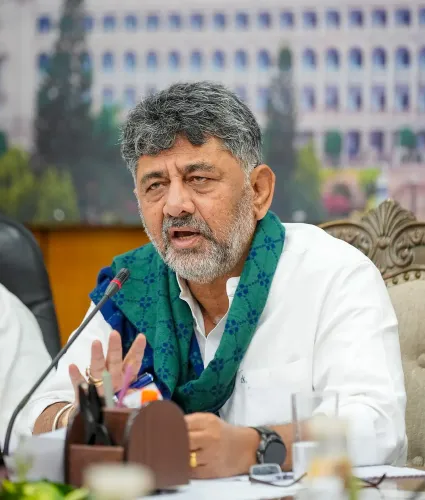
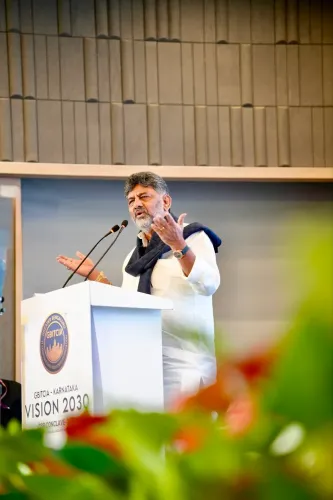
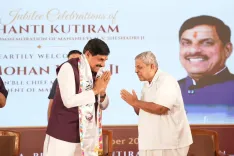
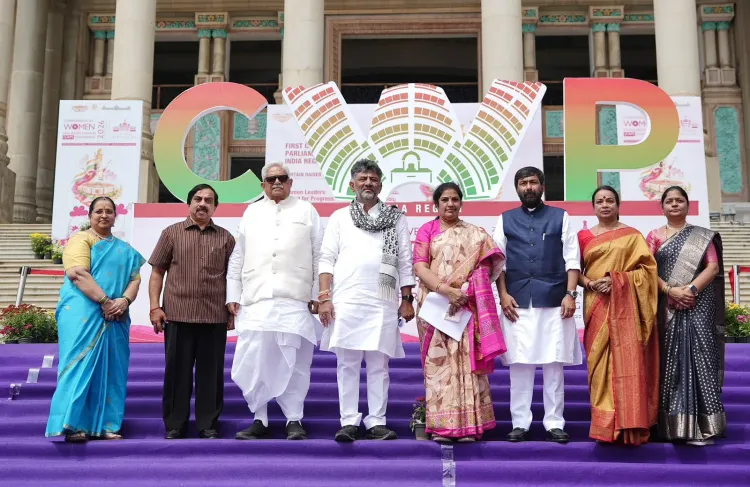
Chief Minister D. K. Shivakumar unveiled the logo of the first-ever Commonwealth Women Parliamentarians India Region Conference 2026 at Vidhana Soudha, Bengaluru, on November 14. The conference, scheduled for November 17–18, will address women's leadership, policymaking, and cyber safety.
Key Takeaways
Shivakumar participated in the curtain raiser and unveiled the CWP India Region Conference 2026 logo at Vidhana Soudha, Bengaluru on November 14, 2026 .
This is the first-ever Commonwealth Women Parliamentarians India Region Conference , to be held on November 17 and 18, 2026 .
The conference agenda covers women's leadership in democratic institutions, their role in policymaking, and cyber safety challenges.
Purandeswari , Chairperson of CWP India Region, attended alongside senior Karnataka legislative officials including Speaker G.
Patil and Council Chairman Saleem Ahmed .
The event aligns with India's broader policy lineage on women's political participation, rooted in the 73rd and 74th Constitutional Amendments of 1992–93 .
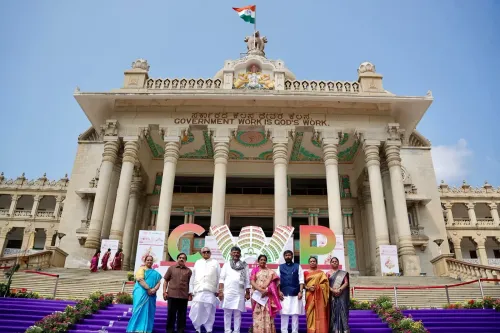
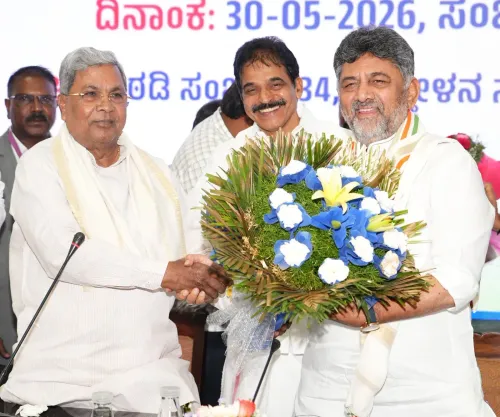
At the grand steps of Vidhana Soudha — Karnataka's storied seat of legislative power — Chief Minister Shri D. K. Shivakumar set the stage on Saturday, November 14, 2026, for what promises to be a landmark gathering of women parliamentarians from across India. The Chief Minister's Office of Karnataka announced his participation in the curtain raiser ceremony for the First Commonwealth Women Parliamentarians (CWP) India Region Conference 2026, where he unveiled the conference logo in Bengaluru.
A Historic First for India's Women Legislators
This is the first-ever CWP India Region Conference — a milestone for a network that has long championed gender balance inside Commonwealth legislative chambers. The conference is scheduled for November 17 and 18, 2026, with Bengaluru chosen as the host city. The agenda centres on three pillars: strengthening women's leadership in democratic institutions, deepening their role in policymaking, and confronting emerging threats such as cyber safety — a challenge that has grown sharply more relevant for women in public life.
The Dignitaries Who Filled the Grand Steps
The curtain raiser drew a cross-institutional lineup that underscored the conference's official weight. Dr. D. Purandeswari, Chairperson of the CWP India Region, was present alongside Shri G. S. Patil, Speaker of the Karnataka Legislative Assembly, and Shri Saleem Ahmed, Chairman of the Karnataka Legislative Council. Dr. Umashree, Deputy Chairman of the Karnataka Legislative Council, and Dr. K. Govindaraj, Member of the Karnataka Legislative Council, also attended. The secretariats of both houses were represented by Smt. Vishalakshi and Smt. Jyoti, respectively.
CWP India Region and the Long Road to Legislative Parity
The Commonwealth Women Parliamentarians network operates under the Commonwealth Parliamentary Association and functions as a regional mechanism to share strategies on closing the gender gap in legislatures. India's engagement with such forums sits alongside a domestic policy lineage stretching back to the 73rd and 74th Constitutional Amendments of 1992–93, which mandated reservations for women in panchayats and municipalities — the foundational push for grassroots women's representation. The CWP conference extends that conversation to state and national legislative chambers, where parity remains a work in progress.
What the November Sessions Are Expected to Deliver
The two-day conference is designed as a platform for dialogue and collaboration, bringing together women parliamentarians and legislators to exchange practices and forge common positions. The inclusion of cyber safety on the agenda signals an awareness that digital threats — from online harassment to disinformation campaigns — have become structural barriers to women's participation in public life. Any joint statements or frameworks emerging from the November 17–18 sessions will be closely watched by gender-equity advocates and parliamentary reform observers alike.
Karnataka's legislature has opened its doors; now the country's women lawmakers will walk through them — and the conversations that follow could shape how India's democratic institutions approach gender leadership for years to come.
Point of View
The state signals institutional seriousness beyond symbolism. The inclusion of cyber safety on the agenda is notable: it acknowledges that the barriers facing women in public life have migrated online, demanding policy responses that older legislative frameworks were never designed to provide. Whether the November sessions produce actionable frameworks or remain aspirational will determine whether this 'first' becomes a genuine inflection point.
NationPress
14 Nov 2026
Frequently Asked Questions
What is the Commonwealth Women Parliamentarians India Region Conference 2026?
It is the first-ever conference of the Commonwealth Women Parliamentarians India Region, scheduled for November 17 and 18, 2026, in Bengaluru. It will bring together women parliamentarians and legislators to discuss leadership, policymaking, and cyber safety.
Who unveiled the CWP India Region Conference 2026 logo?
Chief Minister D. K. Shivakumar unveiled the conference logo at a curtain raiser ceremony held at Vidhana Soudha, Bengaluru, on November 14, 2026.
Who is Dr. D. Purandeswari and what is her role in this conference?
Dr. D. Purandeswari is the Chairperson of the Commonwealth Women Parliamentarians India Region. She attended the curtain raiser ceremony and is responsible for coordinating the regional activities of the CWP network in India.
What topics will the CWP India Region Conference 2026 cover?
The conference will focus on strengthening women's leadership in democratic institutions, promoting their participation in policymaking, and addressing emerging challenges such as cyber safety.
Where is the CWP India Region Conference 2026 being held?
The conference will be held in Bengaluru, Karnataka, on November 17 and 18, 2026. The curtain raiser ceremony took place at Vidhana Soudha, the seat of Karnataka's legislature.