CM Shivakumar visits PAMPA textiles exhibition at NGMA Bengaluru
Synopsis
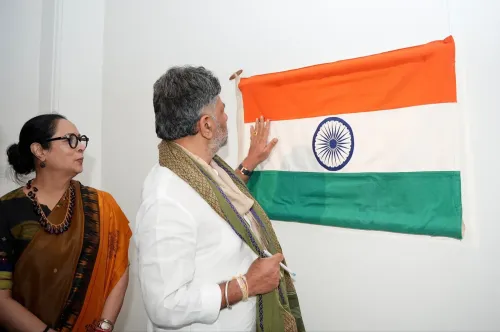
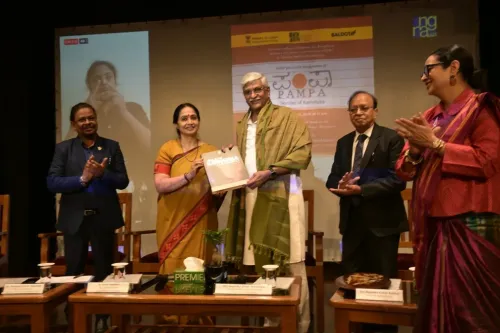
Chief Minister D.K. Shivakumar and Transport Minister Byrathi Suresh toured PAMPA – Textiles of Karnataka at NGMA Bengaluru on 2 November 2026, reaffirming the state government's commitment to preserving handloom heritage and supporting weavers across traditional clusters like Ilkal, Molakalmuru and Udupi.
Key Takeaways
Shivakumar visited the PAMPA – Textiles of Karnataka exhibition at NGMA Bengaluru on 2 November 2026 .
Transport Minister Byrathi Suresh accompanied the Chief Minister at the event.
The exhibition showcases Karnataka's traditional weaving techniques, including crafts from Ilkal, Molakalmuru and Udupi .
The Karnataka State Handloom Development Corporation , established in 1975 , underpins the state's institutional support for weavers.
The government reaffirmed its commitment to 'promoting and protecting the state's rich handloom heritage and supporting the weavers and artisans who keep these traditions alive.' Follow-up budget allocations or new weaver-support schemes in the next legislative session remain closely watched by the artisan community.
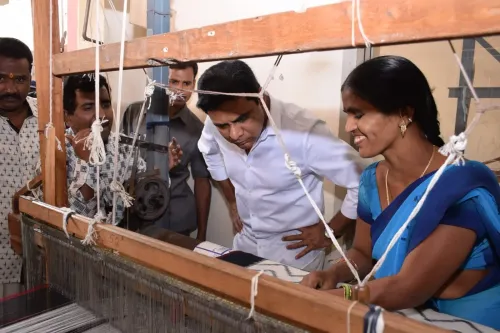
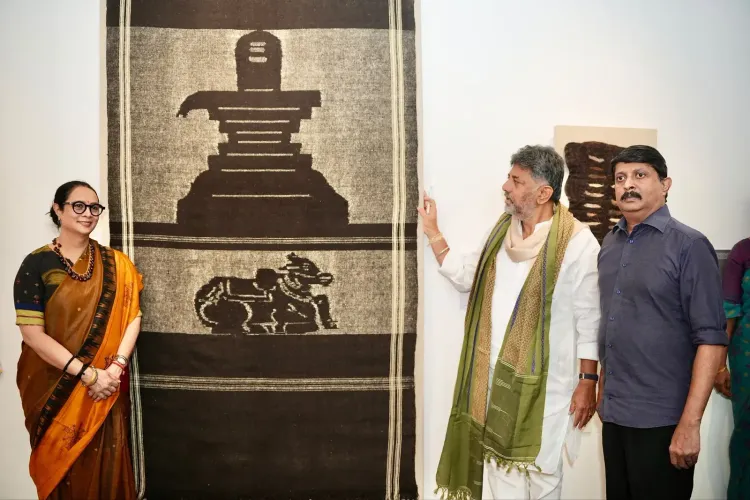
Threads carry memory. At the National Gallery of Modern Art (NGMA), Bengaluru, on Monday, 2 November 2026, Chief Minister D.K. Shivakumar walked through PAMPA – Textiles of Karnataka, an exhibition that stretches bolts of silk, cotton and handwoven heritage across gallery walls — a reminder that Karnataka's identity is stitched as much as it is spoken. He was accompanied by Transport Minister Byrathi Suresh.
What PAMPA puts on display
The exhibition brings together Karnataka's storied weaving traditions — the bold geometric borders of Ilkal sarees, the fine silk work of Molakalmuru, and the distinctive patterns of Udupi cotton — under one roof at NGMA Bengaluru. It is designed to document and celebrate 'exceptional craftsmanship passed down through generations', as the Chief Minister's Office described it, while underscoring how precarious that chain of transmission has become in an age of power looms and fast fashion.
The Chief Minister's Office noted that the exhibition 'celebrates the artistic legacy of Karnataka's weavers and artisans while highlighting the importance of preserving indigenous crafts.' For the tens of thousands of handloom workers across the state, visibility at a premier national cultural institution is more than symbolism — it is a case being made to policymakers and consumers alike.
A government's long bet on the loom
Karnataka's institutional commitment to its weavers is not new. The Karnataka State Handloom Development Corporation, established in 1975, was built precisely to shield traditional weavers from market volatility and to open procurement channels the individual artisan could never access alone. State governments across India have repeatedly turned to cultural exhibitions at national venues to rebuild awareness and demand — events that serve as soft marketing for craft clusters that struggle to compete on price with mill-made alternatives.
The pattern is consistent: public exhibition, renewed pledge of support, anticipation of follow-up budget allocations. Whether the PAMPA visit translates into specific scheme announcements or fresh allocations in Karnataka's next legislative session is the question the weaving community will be watching most closely.
The stakes for Karnataka's artisans
Handloom in Karnataka is not a museum artefact — it is a living occupation, but one under sustained pressure. Mechanisation, cheaper synthetic substitutes, and shrinking inter-generational interest in learning the craft have thinned the ranks of master weavers in clusters like Ilkal, Molakalmuru and Udupi. A high-profile ministerial visit to an exhibition like PAMPA signals intent; the harder test is whether that intent shows up in working-capital support, market-linkage programmes, and GI-tag enforcement that protects weavers from cheap imitations.
For now, the loom is lit — and Karnataka's government has placed itself in front of it.
Point of View
Championing handloom is both genuine heritage policy and smart electoral signalling in districts where weaver communities vote in significant numbers. The real measure of seriousness will come in the next state budget — whether the exhibition's momentum converts into working-capital funds, GI-tag enforcement, or market-linkage schemes. Until then, the visit is a meaningful gesture that still awaits its legislative sequel.
NationPress
2 Nov 2026
Frequently Asked Questions
What is the PAMPA – Textiles of Karnataka exhibition?
PAMPA – Textiles of Karnataka is an exhibition at the National Gallery of Modern Art (NGMA) in Bengaluru that showcases the state's handloom heritage, traditional weaving techniques and the craftsmanship of artisans from clusters including Ilkal, Molakalmuru and Udupi.
Why did Chief Minister D.K. Shivakumar visit the NGMA Bengaluru?
Chief Minister D.K. Shivakumar visited NGMA Bengaluru on 2 November 2026 to attend the PAMPA – Textiles of Karnataka exhibition, signalling the state government's commitment to preserving indigenous handloom traditions and supporting weavers and artisans.
What is the Karnataka State Handloom Development Corporation?
The Karnataka State Handloom Development Corporation was established in 1975 to support traditional weavers, shield them from market volatility, and promote Karnataka's handloom textiles through procurement and marketing channels.
Which traditional weaving clusters does Karnataka have?
Karnataka has several notable traditional weaving clusters, including Ilkal (known for distinctive saree borders), Molakalmuru (renowned for fine silk weaving) and Udupi (known for cotton textiles with traditional patterns).
What support is the Karnataka government offering to handloom weavers?
The Karnataka government has reaffirmed its commitment to promoting and protecting the state's handloom heritage through institutions like the Karnataka State Handloom Development Corporation, cultural exhibitions, and anticipated follow-up measures in future legislative sessions.