CM Siddaramaiah Backs All-Party Unity on Cauvery Water Row
Synopsis
Karnataka CM Siddaramaiah attended an all-party meeting on Cauvery water sharing chaired by Deputy CM DK Shivakumar on 2 August 2026, invoking the state's tradition of cross-party unity on land, water and language issues and expressing confidence in opposition support.
Key Takeaways
CM Siddaramaiah attended an all-party leaders' meeting on the Cauvery river water sharing dispute on 2 August 2026 .
The meeting was chaired by Deputy CM D.K.
Shivakumar and included leaders from across political parties.
Siddaramaiah invoked Karnataka's tradition of setting aside party differences on issues of land, water, and language.
He expressed confidence that opposition parties would offer constructive suggestions and support the state government.
The Cauvery Water Disputes Tribunal issued its final award in 2007 ; the Supreme Court modified Karnataka's allocation in 2018 .
The Cauvery River Management Board oversees release schedules and remains a focal point for future inter-state coordination.
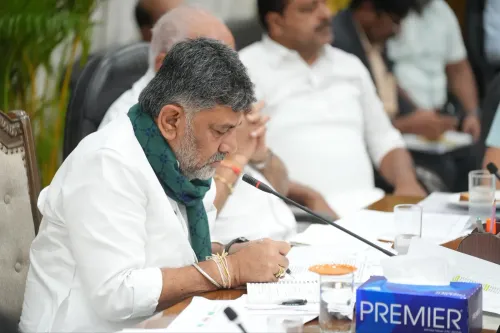
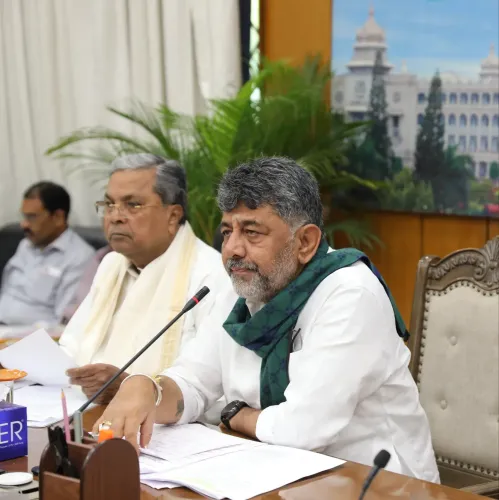
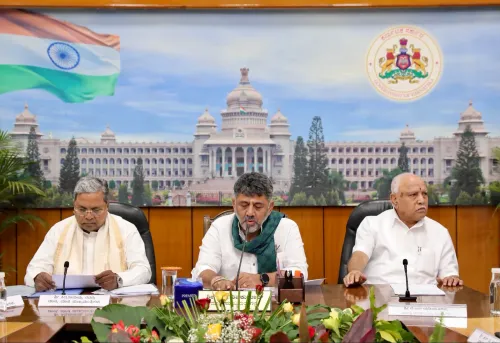
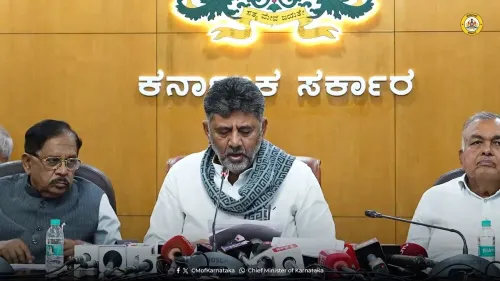
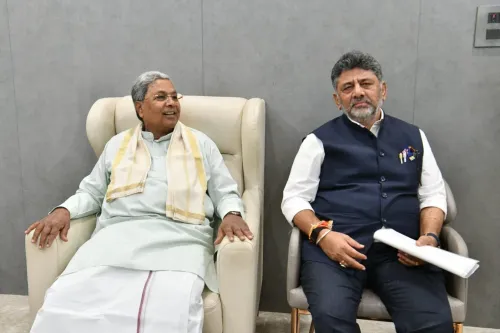
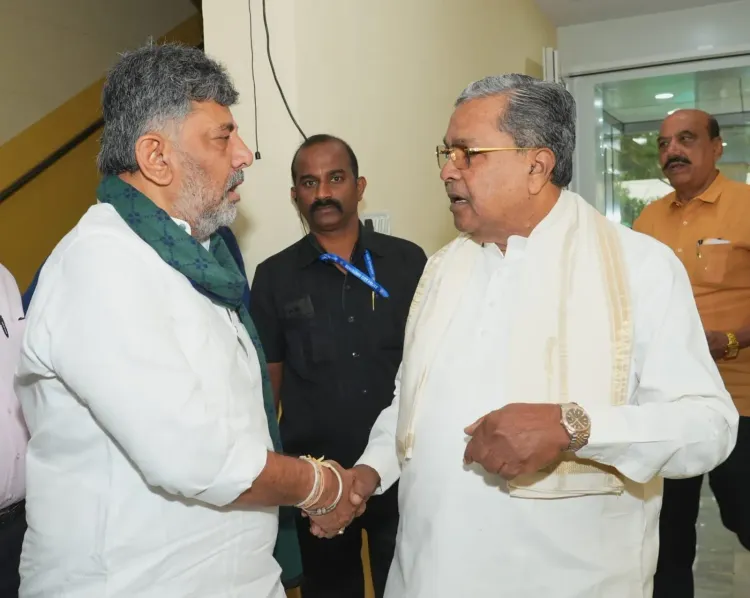
When Karnataka's land, water, or language is at stake, party lines dissolve — and Chief Minister Siddaramaiah is counting on that tradition to hold. On Sunday, 2 August 2026, Siddaramaiah attended an all-party leaders' meeting convened by Deputy Chief Minister D.K. Shivakumar on the Cauvery river water sharing dispute, offering his suggestions and invoking the state's long-standing political compact on existential issues.
Writing in Kannada, Siddaramaiah recalled Karnataka's political heritage: 'ನೆಲ - ಜಲ - ಭಾಷೆಯ ಪ್ರಶ್ನೆ ಎದುರಾದಾಗ ಪಕ್ಷಬೇಧ ಮರೆತು ನಾಡಿನ ಪರ ಒಂದಾಗಿ ನಿಲ್ಲುವುದು ಕರ್ನಾಟಕದ ರಾಜಕೀಯ ಪರಂಪರೆ' — 'When questions of land, water and language arise, setting aside party differences and standing united for the state is Karnataka's political tradition.' He expressed confidence that opposition parties would offer constructive suggestions and stand behind the government in the state's interest.
Shivakumar's All-Party Convening on Cauvery
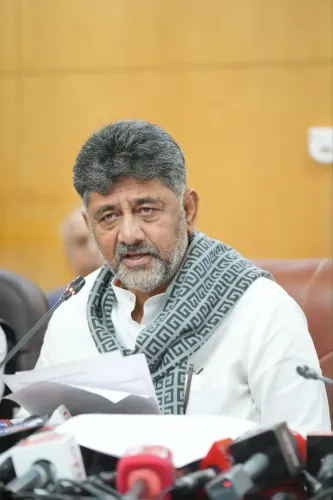
The meeting, chaired by D.K. Shivakumar, brought together leaders across the political spectrum to deliberate on the Cauvery water sharing question. Siddaramaiah, as Chief Minister and senior Indian National Congress leader, participated and contributed suggestions — signalling that the ruling dispensation is treating this as a state issue, not a party one.
The move follows a well-worn Karnataka playbook. Successive governments — Congress, BJP, and Janata Dal factions alike — have convened all-party meetings and mounted joint positions whenever Cauvery allocations have come under pressure, whether from tribunal awards or court directions. The opposition, too, has historically stood behind sitting governments on such occasions.
Decades of Dispute Behind the Meeting
The Cauvery Water Disputes Tribunal, constituted in 1990, delivered its final award in 2007, allocating shares among Karnataka, Tamil Nadu, Kerala and Puducherry. The Supreme Court revisited the framework in 2018, modestly reducing Karnataka's annual allocation while broadly upholding the tribunal's structure. The Cauvery River Management Board now oversees release schedules — a mechanism that periodically reignites inter-state tensions, particularly during drought years when reservoir levels fall short.
For Cauvery basin farmers and millions of residents dependent on the river, every such meeting carries real weight. The stakes are not abstract — they are measured in irrigated acres and drinking water security.
Siddaramaiah's Confidence in Opposition Support
Siddaramaiah's post is as much a public signal to the opposition as it is a statement of principle. By framing cross-party unity as Karnataka's 'political tradition' and expressing 'confidence' that opposition parties will stand with the government, he is setting a public expectation — one that makes it politically costly for rivals to be seen as obstructionist on a water issue that cuts across every constituency in the state.
The next moves to watch: whether the all-party consensus translates into a formal joint representation to the central government, and how the Cauvery River Management Board responds to any fresh release demands that may be at the heart of this latest round of deliberations.
Karnataka has been here before. It has always found a way to speak with one voice on the Cauvery — the question is whether 2026 holds that record intact.
Point of View
' he elevates it above day-to-day partisan combat — while simultaneously placing reputational pressure on the BJP-led opposition to cooperate. The meeting also underscores the unusual dynamic of a Chief Minister attending a conclave chaired by his own Deputy CM, signalling that the Congress leadership is treating the Cauvery question as too consequential for internal hierarchy to complicate. Watch whether this unity translates into a coordinated legal or diplomatic posture before the Supreme Court or the Cauvery River Management Board.
NationPress
2 Aug 2026
Frequently Asked Questions
Why did CM Siddaramaiah attend the all-party meeting on Cauvery water?
Siddaramaiah attended to contribute suggestions on the Cauvery water sharing dispute and to reinforce Karnataka's tradition of cross-party unity on issues of land, water, and language.
Who chaired the all-party meeting on Cauvery water sharing in Karnataka?
Deputy Chief Minister D.K. Shivakumar chaired the all-party leaders' meeting held on 2 August 2026 .
What is the Cauvery water dispute between Karnataka and Tamil Nadu?
The Cauvery dispute is a long-running inter-state conflict over the allocation of water from the Cauvery river. The Cauvery Water Disputes Tribunal issued a final award in 2007 , which the Supreme Court modified in 2018 , slightly reducing Karnataka's annual share.
What did Siddaramaiah say about opposition parties and the Cauvery issue?
Siddaramaiah expressed confidence that opposition parties would offer constructive suggestions and stand behind the state government in Karnataka's interest, as they have done historically on such issues.
What is the Cauvery River Management Board?
The Cauvery River Management Board is the body that oversees water release schedules among the Cauvery basin states — Karnataka, Tamil Nadu, Kerala, and Puducherry — following the Supreme Court's 2018 ruling.