CM Siddaramaiah releases Kannada book 'Jola Rajana Kathe' in Bengaluru
Synopsis
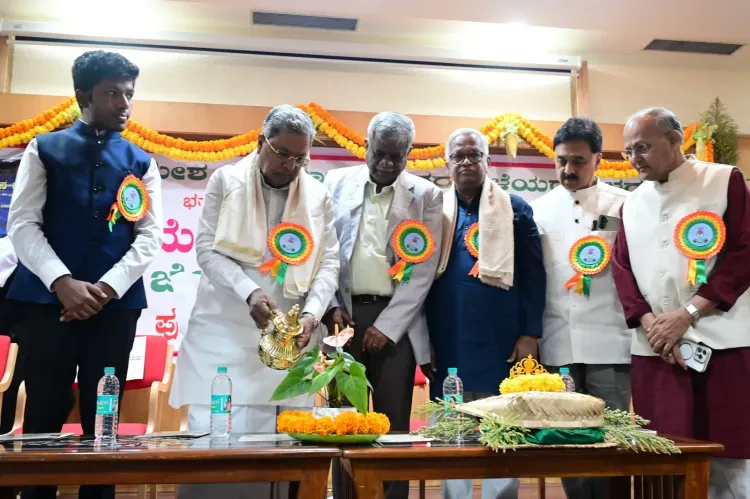
Karnataka CM Siddaramaiah released Sangamesh Badawadagi's Kannada book 'Jola Rajana Kathe' at Seshadripuram Educational Institution in Bengaluru, expressing hope that more works illuminating India's historical heritage reach future generations.
Key Takeaways
CM Siddaramaiah released Kannada book 'Jola Rajana Kathe' by Sangamesh Badawadagi in Bengaluru on November 15, 2026 .
The event was hosted at the Seshadripuram Educational Institution auditorium in Bengaluru.
Lok Sabha MP Sagar Khandre and Kannada Development Authority President Purushottam Bilimale were among key attendees.
The CM called for more works that 'unveil India's historical wealth, heritage, and glory' for future generations.
The Kannada Development Authority has supported regional literary events since the 1980s, lending institutional continuity to such programmes.
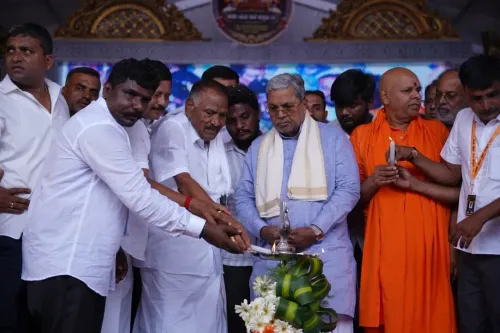
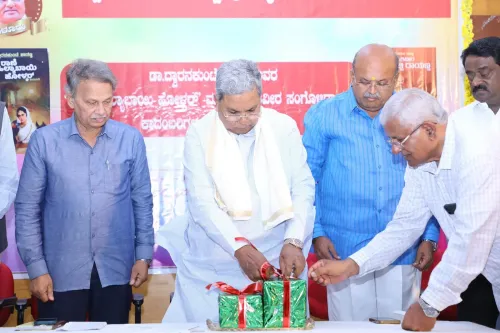
A Kannada book celebrating India's agricultural and historical heritage found a prominent champion on Sunday, November 15, 2026, when Karnataka Chief Minister Siddaramaiah released Sangamesh Badawadagi's Jola Rajana Kathe ('The Story of the Sorghum King') at a function held inside the auditorium of Seshadripuram Educational Institution, Bengaluru.
Sharing the moment on X, the Chief Minister expressed his hope that such works would multiply — carrying awareness of India's historical richness, tradition, and grandeur to future generations. 'May more such significant works emerge that unveil our historical wealth, heritage, and glory,' he wrote, 'so that an understanding of our history reaches the next generation as well.'
Who shared the stage at Seshadripuram
The book launch drew a notable gathering across literature, politics, and cultural administration. Lok Sabha MP Sagar Khandre was present alongside Purushottam Bilimale, President of the Kannada Development Authority — the Karnataka government body whose mandate is to actively promote Kannada language, literature, and culture. Voode P. Krishna, President of Gandhi Bhavana, and Prof. Hiremath of the Sangamesh Badawadagi Friends' Circle also attended, as did several other dignitaries.
Siddaramaiah's consistent role in Kannada literary culture
The Chief Minister's participation is part of a well-established tradition: Karnataka's successive chief ministers have regularly lent their presence and prestige to book releases and cultural programmes spotlighting regional history and Kannada literature. The Kannada Development Authority, functioning since the 1980s, has been a key institutional pillar supporting such literary events across the state.
Badawadagi's book, with its focus on the cultural and historical dimensions of sorghum — a crop central to the agrarian identity of northern Karnataka — fits squarely into the genre of works the state's cultural apparatus has long sought to amplify: literature that roots contemporary Kannadigas in the soil and stories of their past.
Why heritage books matter in the classroom debate
The Chief Minister's explicit wish — that historical awareness 'reaches the next generation' — lands against a broader national conversation about how regional heritage, language, and local history are taught and transmitted. For Kannada writers and educators, a sitting chief minister's physical presence at a book launch is not ceremonial window-dressing; it signals the state's sustained commitment to treating literature as a live vehicle for cultural identity, not an archive.
Watch the Kannada Development Authority's forthcoming calendar: if Bilimale's attendance here translates into institutional support for wider distribution or school-library inclusion of works like Jola Rajana Kathe, that is where the Chief Minister's benediction becomes policy.
Point of View
A politically potent signal in a state where language pride runs deep. The presence of the Kannada Development Authority's president alongside a Lok Sabha MP broadens the event from a ceremonial gesture into a cross-institutional endorsement. It also reflects a wider pattern of state governments co-opting cultural soft power to consolidate regional constituencies. The Chief Minister's explicit appeal for literature that transmits historical awareness to the next generation subtly stakes ground in the ongoing national debate over heritage education and regional identity.
NationPress
15 Nov 2026
Frequently Asked Questions
What is 'Jola Rajana Kathe' about?
'Jola Rajana Kathe', written by Sangamesh Badawadagi, is a Kannada book that explores themes of India's historical richness, heritage, and cultural traditions, with its title translating roughly to 'The Story of the Sorghum King'.
Where was the 'Jola Rajana Kathe' book launch held?
The book was released at the auditorium of Seshadripuram Educational Institution in Bengaluru on November 15, 2026.
Who attended the Bengaluru book launch with CM Siddaramaiah?
Lok Sabha MP Sagar Khandre, Kannada Development Authority President Purushottam Bilimale, Gandhi Bhavana President Voode P. Krishna, and Prof. Hiremath of the Sangamesh Badawadagi Friends' Circle were among the dignitaries present.
What is the Kannada Development Authority?
The Kannada Development Authority is a Karnataka government body established to promote the Kannada language, literature, and culture; it has been active in supporting literary events and publications since the 1980s.
Why did CM Siddaramaiah attend the book release?
CM Siddaramaiah released the book and expressed hope that more such works illuminating India's historical heritage would be published, so that historical awareness reaches future generations.