CM Hemant Soren Directs Giridih DC to Link Sarita, Kids to Welfare Schemes
Synopsis
Jharkhand Chief Minister Hemant Soren publicly directed the Giridih Deputy Commissioner on 28 May 2026 to enroll a woman named Sarita from Tisri block and her children in all applicable government welfare schemes and ensure the children's education — a real-time social-media directive aimed at accelerating last-mile scheme delivery.
Key Takeaways
CM Hemant Soren tagged the Giridih Deputy Commissioner on X on 28 May 2026 with a direct welfare directive.
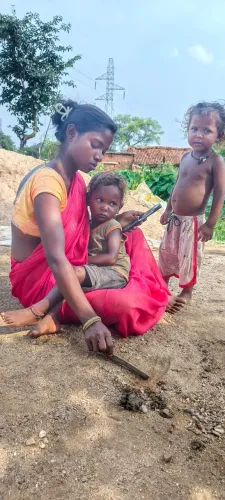
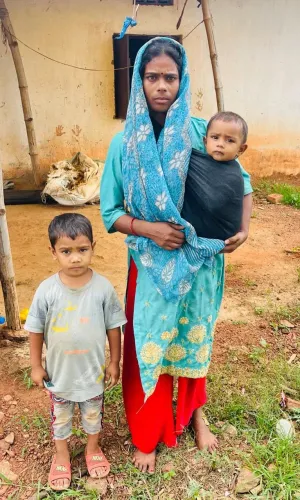
The directive covers Sarita , a resident of Tisri block, Giridih district , and her young children.
The CM instructed officials to link the family to all applicable government welfare schemes and secure the children's education .
Officials were asked to report back 'promptly' (shighra suchit karein), creating a public accountability trail.
The intervention reflects a broader pattern of Jharkhand's administration using social media for real-time oversight of welfare delivery in remote blocks since 2019 .
The Giridih DC's action-taken report on scheme enrollment and school admission is the key next step to watch.
Jharkhand Chief Minister Hemant Soren on Thursday, 28 May 2026, publicly directed the Giridih District Collector to ensure that a woman named Sarita from Tisri block and her young children are enrolled in all applicable government welfare schemes and that the children's education is secured at the earliest.
Context
Posting on X, CM Soren tagged @GiridihDc — the official handle of the Giridih Deputy Commissioner — and wrote: 'Tisri prakhanda se Sarita bahan aur unke masoom bachchon ko har zaroori sarkari yojanaon se jodte hue aur bachchon ki shiksha vyavastha sunishchit karte hue shighra suchit karein' ['Connect Sarita sister from Tisri block and her innocent children to all necessary government schemes, ensure the children's education arrangements, and inform promptly']. The post accompanied a video, the contents of which were not independently confirmed at the time of publication.
The directive was addressed specifically to the district administration of Giridih, a district in Jharkhand with a predominantly rural and tribal population, where welfare scheme delivery is closely monitored by state authorities.
Policy Backdrop
Since 2019, the Jharkhand government under CM Soren has consistently directed district administrations to improve coverage of both central and state welfare schemes for low-income families, with a particular focus on women and school-age children in remote blocks. Schemes covering food security, social protection, and educational support form the core of this outreach effort.
Tisri block falls within Giridih district and consists primarily of rural villages where access to government entitlements can be limited by awareness gaps and administrative bottlenecks. The Chief Minister's public tagging of the District Collector places the matter on record and creates an accountability trail visible to citizens and officials alike.
Stakeholders and Impact
The immediate beneficiaries of the directive, if acted upon, would be Sarita and her children — a rural family in Tisri block whose welfare entitlements and school enrollment appear to have been flagged to the Chief Minister's attention. More broadly, the post signals continued state-level scrutiny of last-mile delivery of welfare programs for women and children in Jharkhand's rural interior.
Indian chief ministers increasingly use social media to issue real-time directives to district officials on individual cases, a practice that aims to compress the grievance redressal cycle and publicly demonstrate administrative responsiveness. Such interventions also serve as a visible check on whether scheme coverage is reaching the most vulnerable households in remote blocks.
What's Next
The Giridih Deputy Commissioner's office is expected to respond with an action-taken report detailing which welfare schemes Sarita and her children have been enrolled in and confirming the children's school admission status. Any follow-up post from CM Soren or the district administration will indicate how swiftly the directive translates into on-ground action.
The case may also draw attention to the broader state of welfare scheme coverage in Tisri block, potentially prompting a wider review of unenrolled families in the area — a pattern that has played out in similar social-media-driven interventions in Jharkhand in recent years.
Point of View
Making non-compliance harder to obscure. This sits within a wider pattern of the JMM-led government positioning itself as a responsive, ground-level administration in a state where welfare delivery gaps in rural and tribal blocks remain a persistent political and governance challenge. The directive also implicitly signals that ordinary citizens can expect the Chief Minister's office to act as an escalation channel when local-level access to schemes fails. Whether the Giridih DC responds swiftly and substantively will determine how credible this model of real-time oversight actually is.
NationPress
12 Oct 2026
Frequently Asked Questions
What did CM Hemant Soren direct the Giridih DC to do?
CM Hemant Soren directed the Giridih Deputy Commissioner on 28 May 2026 to enroll a woman named Sarita from Tisri block and her children in all applicable government welfare schemes and ensure the children's education is arranged, reporting back promptly.
Where is Tisri block located?
Tisri block is a community development block within Giridih district in Jharkhand, consisting primarily of rural villages.
Why does Hemant Soren tag district officials on social media?
CM Soren and other Indian chief ministers use social media to issue public, on-record directives to district officials on individual welfare cases, aiming to accelerate grievance redressal and create a visible accountability trail.
Which government schemes could apply to Sarita and her children in Jharkhand?
Applicable schemes could include state and central programs covering food security, social protection for women, and educational support for children from low-income families, though the specific schemes to be applied will be determined by the Giridih administration after assessment.
What happens after CM Soren issues such a directive on X?
The concerned District Collector is expected to submit an action-taken report confirming scheme enrollments and education arrangements; follow-up posts from the CM's office typically track whether the directive has been implemented on the ground.