CM Hemant Soren Directs Godda DC to Aid Distressed Family

Synopsis
Jharkhand Chief Minister Hemant Soren on 2 July 2026 publicly directed the Godda District Collector via X to take immediate cognisance of a distressed family's situation and render all possible assistance, reflecting his administration's pattern of real-time social media governance.
Key Takeaways
Chief Minister Hemant Soren posted a public directive on X on 2 July 2026 tagging the Godda District Collector .
He ordered the DC to 'take immediate cognisance' and provide 'all possible help' to an unspecified distressed family.
The post also instructed the DC to report back on the assistance provided.
Godda is a district in eastern Jharkhand with significant coal and power infrastructure and a large rural population.
The directive follows Soren's established governance style of issuing real-time public orders to district officials via social media since 2019 .
The Godda DC office is expected to respond; the follow-through may be raised in the Jharkhand Legislative Assembly .
Jharkhand Chief Minister Hemant Soren on Thursday, 2 July 2026, issued a public directive on X to the District Collector of Godda, ordering immediate attention to a distressed family and asking for a report on all assistance provided.
In his post, Soren tagged the official handle of the Godda district administration — @dcgodda — and wrote: 'Take immediate cognisance and provide all possible help to the family, and inform accordingly.' The brief but pointed message signals an urgent, time-sensitive situation requiring the district machinery to act without delay.
Context
Godda is a district in eastern Jharkhand, known for its coal mining activity and large power infrastructure projects. Like many districts in the state, it has a significant tribal and rural population that often depends on state intervention for welfare support during crises. The Chief Minister's direct, public tagging of the district collector places the matter firmly in the public domain, creating administrative accountability.
The specific incident or family referenced in the post has not been independently detailed in the public domain. However, the urgency of the language — 'तत्काल संज्ञान लें' ('take immediate cognisance') — suggests the matter involves a family in acute distress requiring swift administrative relief.
Policy Backdrop
Since Hemant Soren returned to power in 2019, his administration has made direct public grievance redressal a visible part of its governance style. Directing district officials through social media has become a regular tool, allowing the Chief Minister to bypass bureaucratic delays and signal responsiveness to citizens watching in real time.
This approach is part of a broader pattern seen across Indian states since the 2010s, where chief ministers use platforms like X to issue real-time instructions to district collectors. For regional parties such as the Jharkhand Mukti Morcha, which emphasises local development and tribal welfare, such public directives also serve to reinforce the party's image as an accessible, ground-level administration.
Stakeholders and Impact
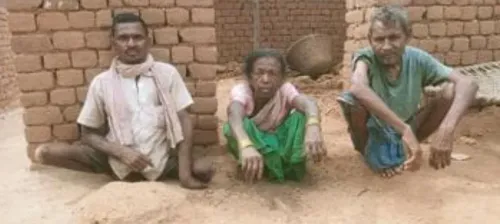
The most immediate stakeholder is the family in question, whose identity and circumstances remain unspecified in the public post. The Godda District Collector's office is now on notice, with the directive made visible to thousands of followers, effectively making the response — or lack thereof — a matter of public record.
More broadly, residents of Godda and across Jharkhand who follow the Chief Minister's social media activity are reminded that the state government monitors local distress and is willing to intervene publicly. Civil society groups and opposition legislators may also watch the follow-through closely, given the post's implicit promise of assistance.
What's Next
The Godda DC office is expected to respond to the directive and provide the Chief Minister with a status update on assistance rendered to the family. Whether that response is made public — either through official channels or a follow-up post by Soren — will determine the transparency of the outcome.
The episode may also surface in the Jharkhand Legislative Assembly, where questions on district-level welfare delivery and administrative responsiveness are periodically raised. It underscores the growing expectation, across India's states, that elected leaders will use digital channels not just for communication but as instruments of real-time governance.
Point of View
Public directive to the Godda District Collector is a textbook example of 'social media as governance' — a tool that regional leaders have refined into a dual-purpose instrument: it accelerates bureaucratic response while simultaneously projecting an image of a hands-on, accessible administration. The JMM, whose electoral base rests heavily on tribal and rural communities, has particular incentive to demonstrate that no distress call goes unnoticed at the top. What distinguishes this post is its explicit demand for a follow-up report, converting a one-way directive into an accountability loop that plays out in public. The real test, as with most such interventions, lies not in the post itself but in whether the Godda administration's response is made transparent and whether the family in question receives timely, adequate relief.
NationPress
1 Oct 2026
Frequently Asked Questions
Why did Hemant Soren tag the Godda DC on X?
Chief Minister Hemant Soren tagged the Godda District Collector's official handle to issue a direct, public order to take immediate cognisance of a distressed family's situation and provide all possible assistance. Tagging the official account publicly ensures administrative accountability and visibility.
What did Hemant Soren's post to the Godda DC say?
Soren's post, written in Hindi, directed the Godda DC to 'take immediate cognisance and provide all possible help to the family, and inform accordingly.' The post also attached a video, though its contents have not been independently verified.
Where is Godda district located?
Godda is a district in eastern Jharkhand, known for coal mining activity and large power infrastructure. It has a significant tribal and rural population and falls under the administrative oversight of the Jharkhand state government.
Is it common for Indian chief ministers to direct officials via social media?
Yes. Since the 2010s, chief ministers across India have used platforms like X to issue real-time directives to district collectors, aiming to speed up grievance redressal and demonstrate responsive governance. Hemant Soren has followed this pattern since returning to power in 2019.
What happens after CM Soren issues such a directive?
The concerned district collector is expected to act on the directive and report back to the Chief Minister's office. Such interventions can also surface in state legislative assembly proceedings, where opposition members may question the outcome and broader district welfare delivery.