CM Sukhu Claims Historic BBMB Win Worth Rs 500 Cr a Year
Synopsis
Himachal Pradesh CM Sukhvinder Singh Sukhu announced a resolution to a 15-year-old BBMB dispute, claiming 12,000 MU of additional power and Rs 500 crore annual revenue, with a projected Rs 20,000 crore benefit over 20 years.
Key Takeaways
A 15-year-old pending case before or related to the Bhakra Beas Management Board (BBMB) has been resolved in Himachal Pradesh's favour, CM Sukhu announced on 9 November 2026 .
The state will receive an additional 12,000 million units (MU) of electricity under the resolution.
At current rates, the settlement is projected to generate Rs 500 crore in annual revenue for Himachal Pradesh.
Over 20 years , the cumulative financial benefit is estimated at Rs 20,000 crore .
The BBMB was constituted under the Punjab Reorganisation Act, 1966 ; Himachal has long disputed its power and royalty allocations from projects located within its territory.
CM Sukhu framed the win as a reaffirmation that Himachal's natural resources belong to its people, pledging continued protection of state interests.
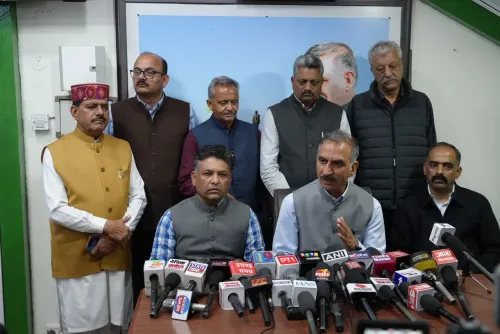
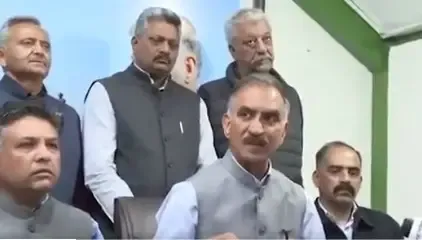
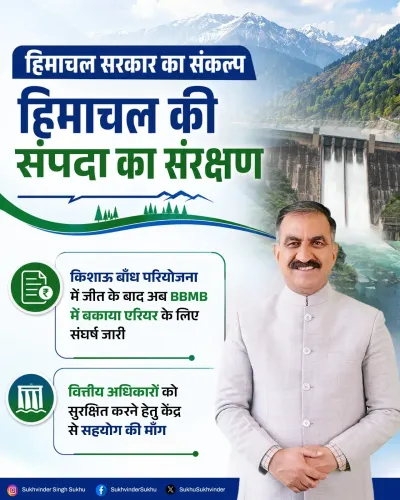
After 15 years of legal limbo, Himachal Pradesh has finally broken through on one of its longest-running resource battles — and the numbers are striking. Himachal Pradesh Chief Minister Sukhvinder Singh Sukhu announced on Monday, 9 November 2026 that a landmark resolution in the Bhakra Beas Management Board (BBMB) case will unlock 12,000 million units (MU) of electricity for the state and generate Rs 500 crore in annual revenue at current rates.
Posting on X, CM Sukhu declared the breakthrough a 'aitihasik safalta' — a historic success — for the state, asserting: 'The resources of the state belong to the people of Himachal. Our government will continue to protect the state's interests with full strength.' He further projected that over the next 20 years, cumulative gains from this resolution could touch Rs 20,000 crore.
What BBMB is — and why Himachal has fought over it for decades
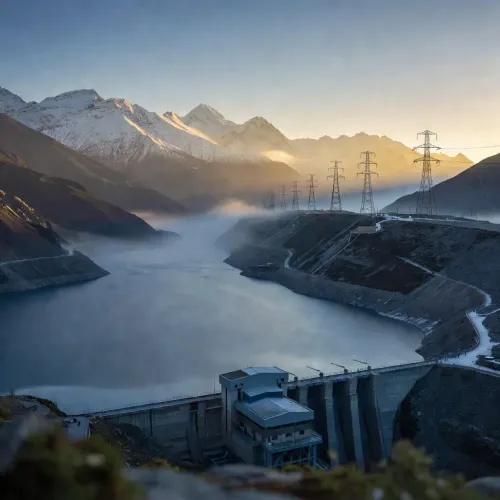
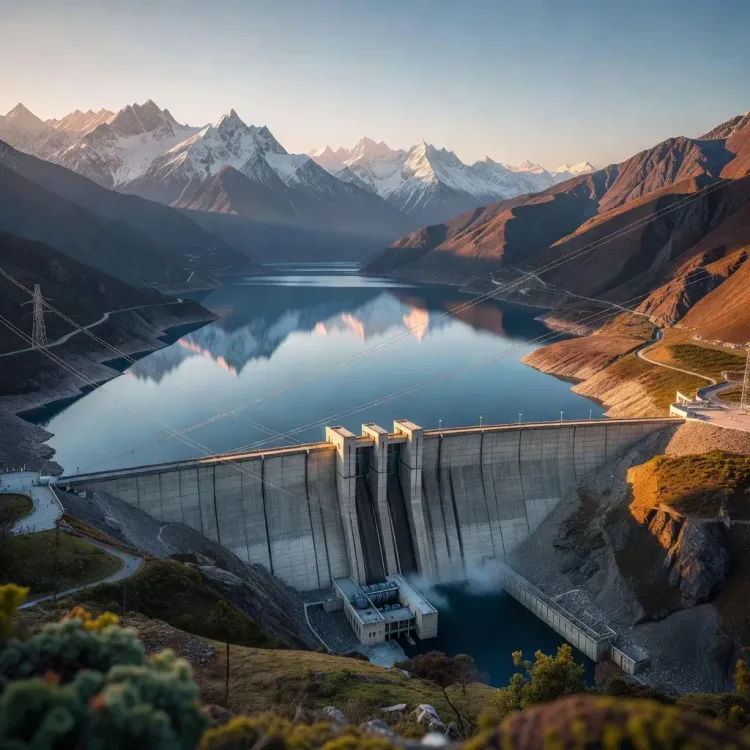
The Bhakra Beas Management Board was constituted under the Punjab Reorganisation Act, 1966 to operate and maintain multipurpose river-valley projects on the Sutlej, Beas and Ravi rivers. The Act fixed initial power and water shares among Punjab, Haryana and Himachal Pradesh — and those original allocations have been a source of friction ever since.
Himachal sits upstream. Its rivers feed the reservoirs. Yet successive state governments have argued for decades that the revenue and power shares assigned to Himachal do not adequately reflect its geographic contribution or the ecological costs it bears as the host state for these projects. The present dispute has reportedly been pending for 15 years, making this resolution one of the longest-outstanding claims the state has pursued through legal and political channels.
Rs 500 crore a year — and what the 20-year projection means for state finances
The immediate impact is an additional 12,000 MU of power allocation — a substantial quantum for a hill state whose energy economy is tightly linked to hydropower royalties. At current market rates, CM Sukhu's office puts the annual monetisation value at Rs 500 crore.
The longer arc is even more significant. If power tariffs rise over time — as they historically do — the state estimates the 20-year cumulative benefit at Rs 20,000 crore. For a state budget that perpetually navigates fiscal stress, that trajectory is not a rounding error. It is a structural shift in how much Himachal earns simply from resources already within its borders.
A pattern of incremental gains in inter-state hydro disputes
This announcement fits a well-worn pattern in India's northern river-basin politics. Since 1966, upstream states like Himachal have pursued incremental legal and negotiated wins rather than wholesale restructuring of the BBMB framework — which would require parliamentary intervention and near-impossible consensus among riparian states. Each gain is therefore significant precisely because it is hard-won and finite.
CM Sukhu, who took charge in December 2022, has positioned this resolution as a vindication of the Congress government's persistence on a case inherited — and, the implication is clear, neglected — across multiple political regimes. The kicker he chose to close his post with — that Himachal's resources belong to its people — doubles as both a legal assertion and a political statement ahead of future budget cycles.
Fifteen years is a long time to wait for a cheque. Himachal Pradesh has finally cashed it — and the state is already counting what comes next.
Point of View
If fully realised, marks a meaningful fiscal dividend for a state government that has long cited inherited resource inequities as a structural drag on Himachal's finances. For CM Sukhu, it is also a political asset: he frames a 15-year-old dispute — spanning multiple regimes — as a Congress-era breakthrough, strengthening his government's credibility on economic governance ahead of budget cycles. The Rs 20,000 crore, 20-year projection is aspirational but politically potent, tying today's legal win to a generational promise. Crucially, it reinforces the broader upstream-state argument across India that host communities must receive commensurate returns from federal hydro-infrastructure — a debate that is far from settled in Parliament.
NationPress
9 Nov 2026
Frequently Asked Questions
What is the BBMB case that CM Sukhu resolved?
The Bhakra Beas Management Board (BBMB) case refers to a long-standing dispute, pending for approximately 15 years, over Himachal Pradesh's share of power and revenue from BBMB-managed hydro projects situated in the state. CM Sukhu announced on 9 November 2026 that the case has been resolved in Himachal's favour, though specific legal forum details are yet to be officially confirmed.
How much revenue will Himachal Pradesh earn from the BBMB resolution?
Himachal Pradesh expects to earn Rs 500 crore annually at current electricity rates from the additional 12,000 million units (MU) of power unlocked by the BBMB resolution. Over 20 years, the cumulative benefit is estimated to reach Rs 20,000 crore.
What is the Bhakra Beas Management Board (BBMB)?
The BBMB is a statutory body constituted under the Punjab Reorganisation Act, 1966 to operate and maintain multipurpose river-valley projects on the Sutlej, Beas and Ravi rivers. It allocates power and water among Punjab, Haryana and Himachal Pradesh.
Why has Himachal Pradesh been in dispute with BBMB for so long?
Himachal Pradesh hosts several BBMB reservoirs on its territory but has argued since 1966 that its power and royalty allocations do not adequately reflect the resources it contributes or the ecological burden it bears as the upstream host state. Successive Himachal governments have pursued incremental legal and political remedies to correct this.
What does the BBMB win mean for Himachal Pradesh's budget?
An additional Rs 500 crore per year represents a significant structural revenue boost for Himachal, a hill state that relies heavily on hydropower royalties and central transfers. The long-term Rs 20,000 crore projection over 20 years could ease chronic fiscal pressure if power tariff trends continue upward.