CM Sukhu: HP jumps from 21st to 5th in education rankings
Synopsis
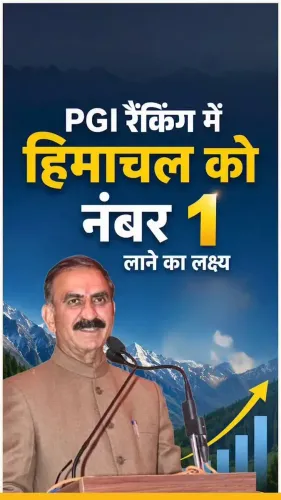
Himachal Pradesh CM Sukhvinder Singh Sukhu claims the state has risen from 21st to 5th nationally in education after affiliating 150 government schools to CBSE, enrolling 24,000 new students at roughly Rs 2,000 per year versus Rs 50,000 in private schools.
Key Takeaways
Himachal Pradesh claims to have risen from 21st to 5th place nationally in education under CM Sukhu's tenure.
Nearly 150 government schools have been affiliated to CBSE , according to Sukhu.
Enrolment in these schools has grown by 24,000 students .
Annual fees at government CBSE schools are approximately Rs 2,000 , compared with roughly Rs 50,000 at private CBSE schools.
Sukhu credits his student-politics background for shaping his understanding of rural education gaps.
The initiative aligns with the National Education Policy 2020 push for standardised curricula in public schools.
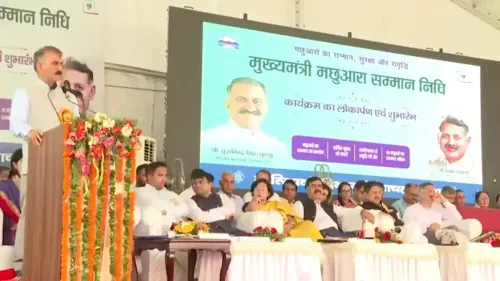
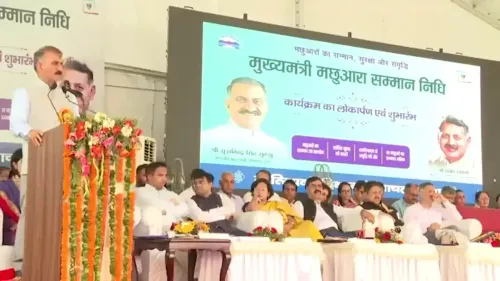
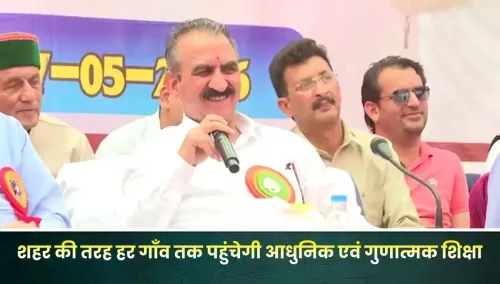
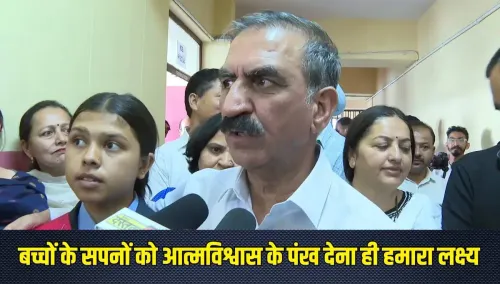
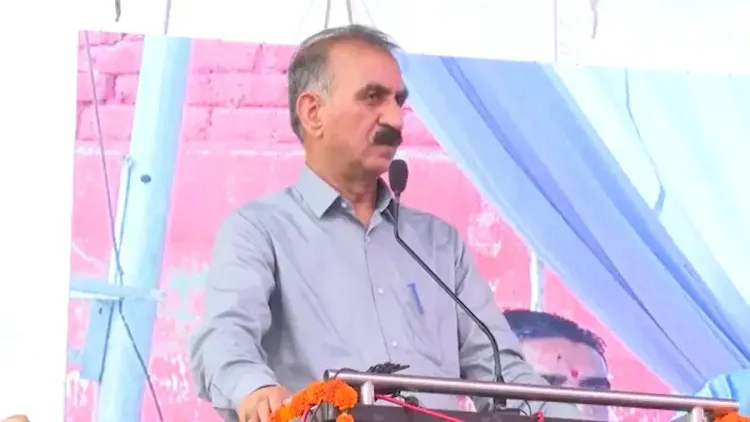
From the back benches of student politics to the chief minister's chair, Sukhvinder Singh Sukhu has always insisted he knows what ails India's classrooms — and on 14 August 2026, he put numbers to that claim. The Himachal Pradesh chief minister declared that the state has climbed from 21st to 5th place nationally in education, and that nearly 150 government schools now run under the CBSE board, enrolling 24,000 additional children at a fraction of private-school fees.
From 21st to 5th: the ranking leap Sukhu is staking his legacy on
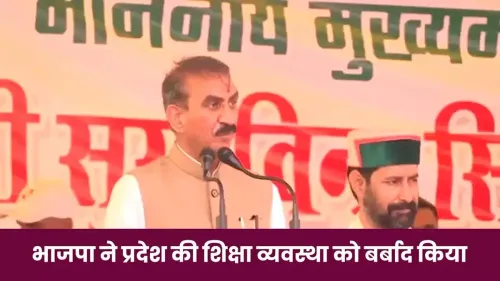
Sukhu, speaking in Hindi, framed the transformation in personal terms: 'हमारा संकल्प है, हम पीछे नहीं हटेंगे' ('Our resolve is firm, we will not step back') — a line he says he delivered when critics warned that running CBSE-affiliated government schools would be too difficult. The chief minister's argument is straightforward: in 2021, Himachal Pradesh ranked 21st among Indian states in education; today, under the same central government framework, it stands 5th.
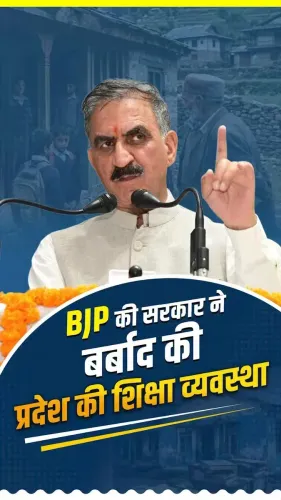
The claim is significant because it arrives under a BJP-led Centre — a political context Sukhu pointedly acknowledged, implying the improvement is state-driven, not a gift from New Delhi. The Congress leader has consistently positioned education reform as his government's sharpest contrast with the previous administration.
Rs 2,000 vs Rs 50,000: what CBSE affiliation means for a village family
The headline statistic in Sukhu's post is the fee gap. A CBSE seat in a private school costs roughly Rs 50,000 a year; the same curriculum in a government school under his programme costs a family around Rs 2,000. That difference — 25 times cheaper — is the policy's entire pitch to rural Himachal Pradesh, where household incomes are limited and private schooling has historically been out of reach.
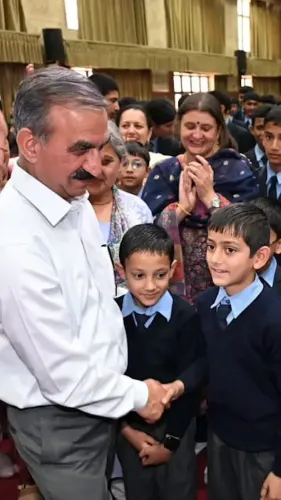
The 150 government schools affiliated to CBSE have collectively added 24,000 students to their rolls, according to Sukhu. The enrolment surge, if sustained, would signal that public confidence in government schools is recovering — a reversal of the long-running drift toward private institutions that policymakers across India have struggled to arrest.
A state-level bet on the NEP's promise
Himachal's push fits a broader national pattern. The National Education Policy 2020 explicitly encouraged states to standardise curricula and raise the quality floor in government schools. Several states have since affiliated public schools to CBSE, but few have moved as aggressively or as publicly as Himachal under Sukhu. His student-politics background — he rose through the National Students' Union of India — is a credential he returns to often, positioning himself as someone who experienced the system's gaps rather than simply administering them.
The next test will come when fresh national school-quality or performance-grading reports are published, and when the state budget signals whether further CBSE conversions are funded. A ranking of 5th is a claim worth watching — but the enrolment numbers will tell the real story.
For the children of Himachal's villages, the arithmetic is already simple: a CBSE education for Rs 2,000 a year is either a genuine turning point or the most consequential promise a chief minister has made in a generation. Sukhu is betting it is both.
Point of View
000 vs Rs 50,000) is potent precisely because it is concrete and verifiable at the household level, making it harder to dismiss than abstract ranking claims. If the enrolment and ranking figures hold up under independent scrutiny, they hand the Congress a replicable state-level template ahead of future assembly elections. The risk is equally clear: a single contradictory national report could unravel the entire narrative.
NationPress
15 Aug 2026
Frequently Asked Questions
What rank does Himachal Pradesh hold in education in India in 2026?
Chief Minister Sukhvinder Singh Sukhu claims Himachal Pradesh now ranks 5th nationally in education, up from 21st in 2021, though this figure has not been independently verified in public records.
How many government schools in Himachal Pradesh are affiliated to CBSE?
CM Sukhu states that nearly 150 government schools in Himachal Pradesh have been affiliated to CBSE under his administration.
What are the fees at government CBSE schools in Himachal Pradesh?
According to CM Sukhu, a child can study in a government CBSE school in Himachal Pradesh for approximately Rs 2,000 per year , compared with around Rs 50,000 at a private CBSE school.
How many students have enrolled in Himachal Pradesh's government CBSE schools?
CM Sukhu says enrolment in the newly affiliated government CBSE schools has increased by 24,000 students .
What is Sukhvinder Singh Sukhu's background in education policy?
Sukhu rose through student politics via the National Students' Union of India and has cited that experience as the basis for his focus on government school reform, particularly for rural children in Himachal Pradesh.