CM Sukhu visits Shimla school, hails students' anti-drug resolve
Synopsis
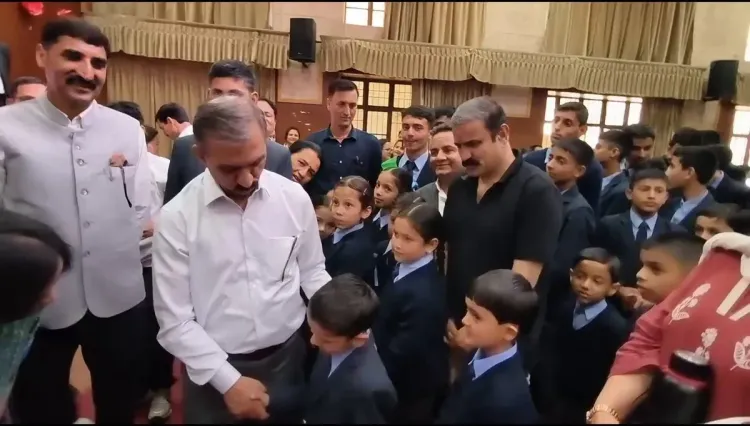
Chief Minister Sukhvinder Singh Sukhu visited Government Senior Secondary School, Chhota Shimla on 25 May 2026, and shared a video of his interaction with students who expressed eagerness to join anti-drug awareness drives, calling them the architects of Himachal's future.
Key Takeaways
CM Sukhvinder Singh Sukhu visited Government Senior Secondary School, Chhota Shimla on 25 May 2026 .
Students told the Chief Minister they want to actively participate in public-awareness campaigns against drug abuse .
Sukhu described the children as 'the architects of Himachal Pradesh's destiny.' The visit connects to the national Nasha Mukt Bharat Abhiyan , launched in 2020 to combat substance abuse through community and school mobilisation.
A video of excerpts from the student interaction was shared on the Chief Minister's official X account.
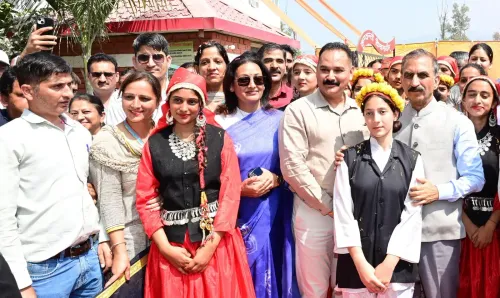
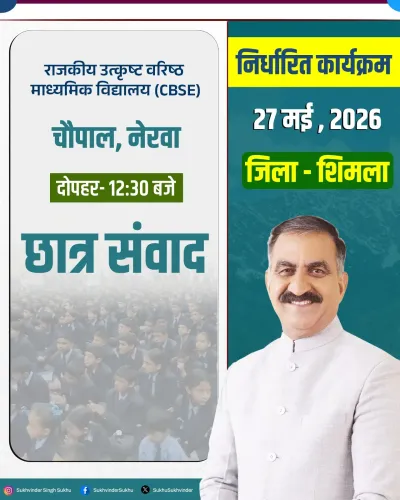
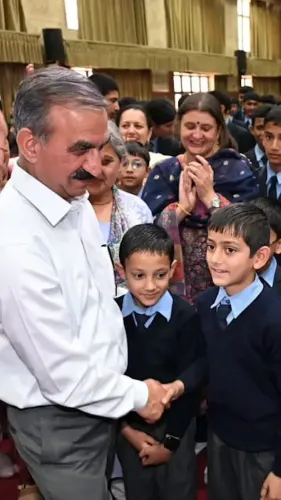
Himachal Pradesh Chief Minister Sukhvinder Singh Sukhu on Monday, 25 May 2026, visited Government Senior Secondary School, Chhota Shimla, where he interacted with students and was moved by their enthusiasm and confidence, particularly their expressed willingness to actively participate in drug-awareness campaigns.
Context
Posting a video of the interaction on X, CM Sukhu wrote that the energy, awareness, and self-confidence he witnessed during the samvaad (dialogue) at the school 'deeply touched' him. He noted that hearing young children say they want to participate wholeheartedly in a public-awareness campaign against drugs presents 'a positive picture of Himachal's bright future.'
The Chief Minister added: 'These children are Himachal's bright future and in the times to come, they will be the architects of the state's destiny.' The post included excerpts from the interaction with the students.
Policy Backdrop
The visit aligns with the Nasha Mukt Bharat Abhiyan, a national campaign launched in 2020 by the Ministry of Social Justice and Empowerment to mobilise communities and educational institutions against substance abuse. Schools across India have been identified as frontline spaces for behavioural change among adolescents under this framework.
Himachal Pradesh, a northern hill state, has periodically emphasised youth engagement on drug-prevention alongside core academic priorities. State governments have integrated such outreach into the school system as part of broader health-education mandates, and chief ministers conducting school dialogues on social issues is a well-established pattern of governance-level outreach.
Stakeholders and Impact
The primary stakeholders are school students and Himachal Pradesh's youth population more broadly. When a sitting chief minister directly engages students on a sensitive issue such as drug abuse, it carries symbolic weight that can reinforce institutional messaging from teachers and parents alike.
For the Indian National Congress-led state government, such grassroots interactions also serve as visible demonstrations of the administration's social-welfare priorities, connecting elected leadership with the next generation of voters and citizens.
What's Next
Observers will watch for the rollout of district-level student awareness activities following the Chief Minister's public endorsement. Any formal expansion of the programme — including references in the next Himachal Pradesh education budget or the state assembly session — would signal how deeply the initiative is being institutionalised beyond symbolic visits.
The interaction at Chhota Shimla may also prompt other districts to organise similar dialogues, with student participation in anti-drug drives potentially becoming a measurable metric in the state's education and social-justice reporting.
Point of View
' Sukhu frames the Congress-led government as invested in long-term social change rather than immediate electoral optics. The move also reflects a broader pattern among state chief ministers of using education-sector outreach to signal policy seriousness on public-health issues. Whether the visit translates into measurable programme expansion — funding, district rollouts, curriculum integration — will determine its lasting significance beyond the news cycle.
NationPress
27 Sept 2026
Frequently Asked Questions
Why did CM Sukhu visit Chhota Shimla school?
CM Sukhvinder Singh Sukhu visited Government Senior Secondary School, Chhota Shimla on 25 May 2026 to interact with students and gauge their awareness about social issues, particularly drug abuse prevention.
What is the Nasha Mukt Bharat Abhiyan?
The Nasha Mukt Bharat Abhiyan is a national campaign launched in 2020 by India's Ministry of Social Justice and Empowerment to raise awareness against drug abuse, with schools and communities as key mobilisation points.
What did students tell CM Sukhu during the school visit?
Students told Chief Minister Sukhu that they want to actively participate in public-awareness campaigns against drugs, which the CM described as a 'positive picture of Himachal's bright future.'
What is Himachal Pradesh doing to address drug abuse among youth?
Himachal Pradesh has periodically engaged schools and youth groups in drug-prevention outreach, aligning with the national Nasha Mukt Bharat Abhiyan. CM Sukhu's school visit is part of this broader state-level effort.
What did CM Sukhu say about Himachal Pradesh's children?
CM Sukhu said that the children of Himachal Pradesh are the state's bright future and that they will become the 'architects of the state's destiny' in the times to come.