CM Sukhu launches water sports at Kol Dam reservoir in Mandi
Synopsis
Himachal Pradesh CM Sukhvinder Singh Sukhu on 24 October 2026 virtually inaugurated adventure water sports — speed boats, jet skis, banana boats, bumper rides and a 20-seat mini-cruise — across a 35-km Kol Dam reservoir stretch in Mandi, aiming to boost tourism and create local employment.
Key Takeaways
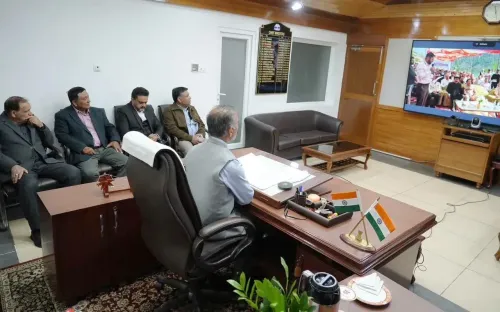
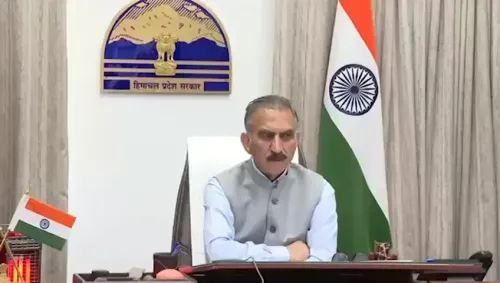
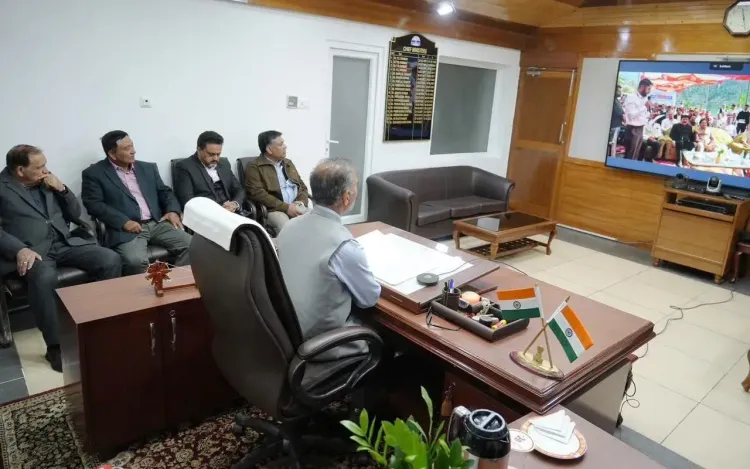
CM Sukhu launched adventure water sports at Kol Dam reservoir, Aehan, Mandi district on 24 October 2026 via a virtual ceremony from Shimla.
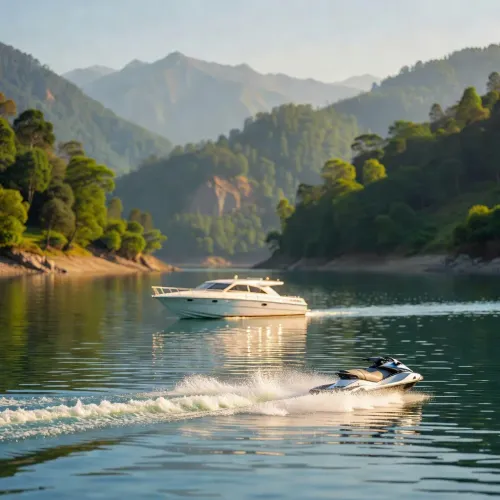
Activities include speed boats, jet skis, banana boats, bumper rides and a 20-passenger mini-cruise vessel.
The water-sports zone covers a 35-kilometre stretch from Aehan to Tattapani along the Sutlej reservoir.
The initiative targets twin goals: boosting regional tourism and generating employment and self-employment for local youth.
Senior dignitaries at the launch included Assembly Speaker Kuldip Singh Pathania , Revenue Minister Jagat Singh Negi , and Water Management Board VP Shashi Sharma .
The launch extends Himachal Pradesh's pattern of converting hydroelectric reservoir infrastructure into tourism assets.
A 35-kilometre stretch of reservoir in the Himalayan hills just got a turbo-charged new identity. Himachal Pradesh Chief Minister Sukhvinder Singh Sukhu on Saturday, 24 October 2026, virtually inaugurated adventure water-sports activities at the Kol Dam reservoir in Aehan, Mandi district — turning a hydroelectric asset into a leisure frontier and, the government hopes, a jobs engine for local youth.
Speed boats, jet skis and a 20-seat mini-cruise on the Sutlej
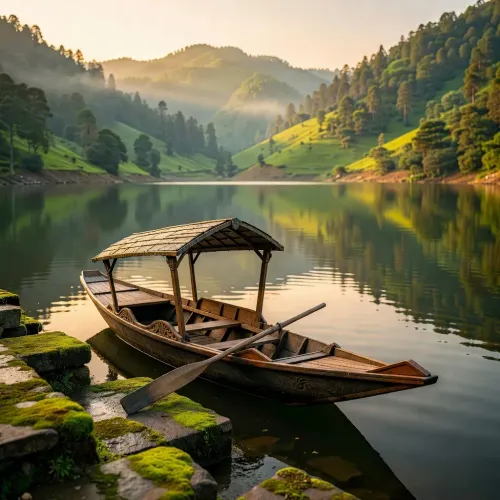
The activity menu reads like a hill-station bucket list: speed boats, jet skis, banana boats, bumper rides, and a mini-cruise vessel with a capacity of 20 passengers. All of these will operate across the reservoir's Aehan-to-Tattapani corridor — a scenic expanse along the Sutlej river in Mandi. Tattapani, the downstream anchor of the stretch, is already known to travellers for its hot springs, giving the new water-sports zone a ready feeder audience.
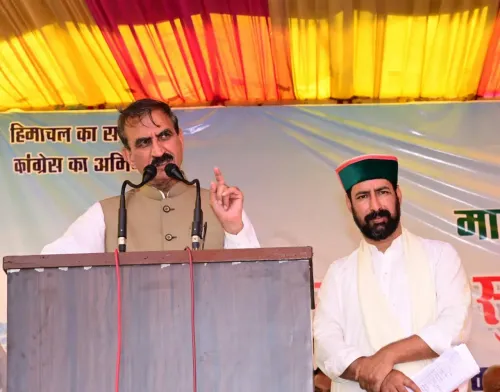
CM Sukhu, joining the launch virtually from Shimla, framed the initiative as a dual-purpose move: broadening Himachal Pradesh's tourism appeal beyond temples and trekking, while creating 'rozgaar evam swarozgaar ke naye avsar' — new employment and self-employment opportunities — for the region's young population.
Who stood where: the Shimla and Aehan platforms
The ceremony unfolded across two locations simultaneously. At the Shimla end, Assembly Speaker Kuldip Singh Pathania, Revenue Minister Jagat Singh Negi, State Planning Board Vice-Chairman Bhawani Singh Pathania, and former Chief Parliamentary Secretary Sohan Singh Thakur were present. At the event site in Aehan, Water Management Board Vice-Chairman Shashi Sharma represented the on-ground administration alongside other dignitaries.
Kol Dam's second life: from megawatts to mooring points
Kol Dam is a large multipurpose hydroelectric project on the Sutlej in Mandi district. Its reservoir, by sheer geography — a long, calm, mountain-framed expanse — offers conditions that whitewater rivers cannot: predictable water levels, accessible banks, and stretch enough for high-speed runs. State governments have periodically explored turning such reservoirs into tourism assets, recognising that the infrastructure of power generation — access roads, shorelines, controlled water release — doubles as a tourism backbone at low marginal cost.
This launch fits a broader Himachal Pradesh pattern of layering recreational economies onto hydro infrastructure. Similar pilots at other reservoir sites over the past decade have had mixed results, with the critical variables being private-operator quality, year-round accessibility, and safety oversight — all areas that will be watched closely as this 35-km stretch moves from inauguration to daily operations.
What tourism numbers this could move
Mandi district sits at the geographic heart of Himachal Pradesh and draws steady pilgrim and leisure traffic. Adventure tourism — river rafting on the Beas, paragliding at Bir-Billing — has proven in the state that high-adrenaline activities command premium pricing and repeat visits. Water sports at a calm reservoir lower the entry barrier: they are family-friendly, require less physical conditioning, and can operate outside peak monsoon windows. If managed well, the Kol Dam corridor could absorb overflow from more saturated destinations and anchor a new tourist circuit between Mandi town and Tattapani.
For the government, the arithmetic is straightforward — operators pay lease fees, tourists pay activity charges, locals staff the boats and the cafés. Whether the inauguration momentum translates into a functioning seasonal economy is the real test now.
Point of View
Which has faced fiscal pressure, low-capex tourism initiatives that leverage existing reservoirs offer political wins without large budget commitments. The dual Shimla-Aehan ceremony format also signals a deliberate effort to associate state leadership visually with district-level development, a messaging play ahead of local electoral cycles. The real credibility test, however, lies in the operational rollout: operator tendering, safety certification, and whether year-round viability can be established or the stretch sits idle outside peak months.
NationPress
24 Oct 2026
Frequently Asked Questions
What water sports activities were launched at Kol Dam reservoir?
Speed boats, jet skis, banana boats, bumper rides, and a 20-passenger mini-cruise were launched across the Kol Dam reservoir in Mandi district, Himachal Pradesh, on 24 October 2026.
Where exactly is the Kol Dam water sports zone located?
The water sports zone spans a 35-kilometre stretch of the Kol Dam reservoir from Aehan to Tattapani in Mandi district, Himachal Pradesh.
Who inaugurated the Kol Dam adventure water sports?
Himachal Pradesh Chief Minister Sukhvinder Singh Sukhu inaugurated the activities virtually from Shimla on 24 October 2026.
What is Kol Dam and why is it significant for tourism?
Kol Dam is a large multipurpose hydroelectric project on the Sutlej river in Mandi district. Its long, calm reservoir offers ideal conditions for water sports, and the government is now developing it as a tourism and employment hub.
How will the Kol Dam water sports initiative create jobs?
CM Sukhu stated that the initiative will create employment and self-employment opportunities for local youth through roles in operating and staffing the water-sports activities along the 35-km reservoir stretch.