CM Sukhu Launches Water Tourism at Bilaspur Reservoirs
Synopsis
Himachal Pradesh CM Sukhvinder Singh Sukhu has launched water tourism — cruises, speed boats, and jet skis — at Bilaspur's reservoirs, framing it as a critical revenue strategy after a ₹4,000 crore shortfall caused by GST replacing state VAT and excise duties.
Key Takeaways
Water tourism formally launched at Bilaspur reservoirs on 24 October 2026 , with cruises, speed boats, and jet skis now operational.
CM Sukhu cited an approximately ₹4,000 crore revenue loss to Himachal Pradesh since GST subsumed state VAT and excise duties.
The initiative was planned roughly eighteen months ago and is positioned as a key lever to grow state tourism receipts.
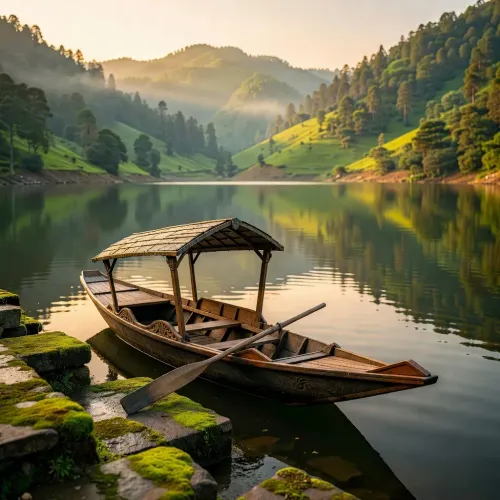
The CM has called for shikaras to be introduced next, offering a slower, scenic experience alongside the Shivalik Hills backdrop.
Gobind Sagar , one of India's largest man-made reservoirs, is the primary site, giving the project a substantial natural canvas.
The move mirrors a broader trend of Indian hill states investing in water and adventure tourism to diversify revenue post-GST.
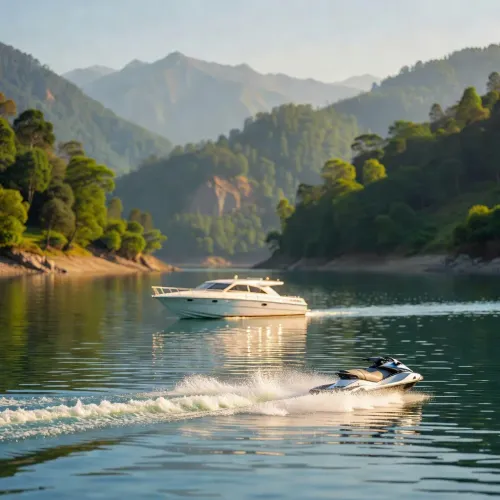
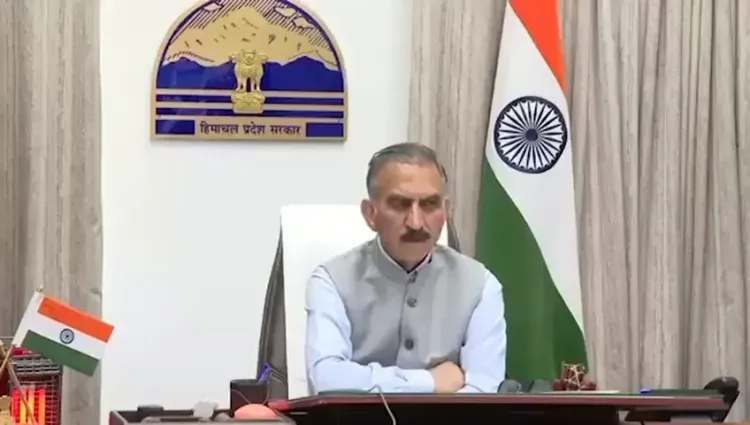
Cruises, speed boats, and jet skis are now cutting across the gleaming waters of Bilaspur's reservoirs — and Himachal Pradesh Chief Minister Sukhvinder Singh Sukhu wants shikaras next. On Saturday, 24 October 2026, the CM announced the formal launch of water tourism at Bilaspur's reservoir sites, calling it the payoff of a plan set in motion roughly eighteen months ago.
A Revenue Gap That Made Tourism a Priority
The backdrop to this launch is financial. Sukhu pointed directly to a structural wound: since GST replaced state-level VAT and excise duties after July 2017, Himachal Pradesh has absorbed a revenue shortfall of approximately ₹4,000 crore. That is the number that has pushed tourism from a nice-to-have to a fiscal imperative.
'Paryatan rajaswa badhane ka mahatvapurn madhyam hai' — tourism is an important medium for growing revenue — is how the CM framed the urgency. With the state unable to recover that gap through conventional tax handles, experiences that draw visitors and generate local spend become the next-best lever.
Gobind Sagar's New Life as an Adventure Hub
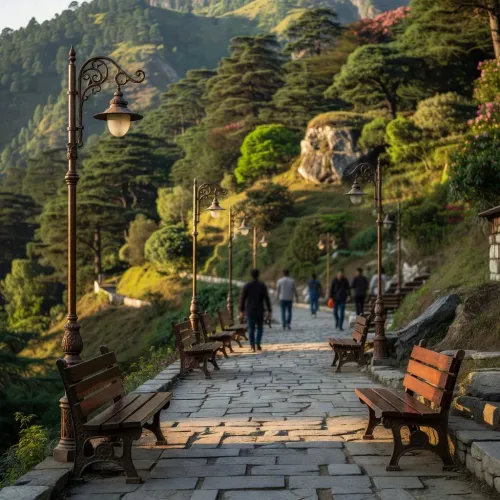
Bilaspur district sits on the banks of Gobind Sagar, the large reservoir created by the Bhakra Dam on the Sutlej River — one of the biggest man-made lakes in India by area. The water body had long been an underused tourism asset. The Sukhu government's initiative, conceived roughly three-and-a-half years into its tenure and operationalised over the last year and a half, has now turned that expanse into a multi-activity water sports corridor.
Cruise rides, speed boats, and jet ski runs are the first wave of offerings. The CM's stated next ambition is to introduce shikaras — the iconic wooden boats long associated with Kashmir's Dal Lake — so that visitors can pair water recreation with unhurried views of the Shivalik Hills that frame the reservoir. It is a deliberate pitch for a different kind of tourist: not just the adrenaline-seeker, but the leisure traveller looking for a slower, scenic float.
Himachal's Broader Bet on Water and Adventure Tourism
The Bilaspur initiative fits a pattern visible across Indian hill states: using reservoirs, rivers, and lakes as revenue engines to compensate for GST-era shortfalls. Himachal Pradesh has historically leaned on its mountain scenery and religious circuits, but year-round footfall requires diversification. Water sports infrastructure is one answer — accessible in summer months when the peaks are not yet snow-laden, drawing visitors outside the traditional October-November and May-June windows.
Sukhu framed the goal with a clear benchmark: Himachal Pradesh should carve out a distinct identity in tourism nationally. With facilities now operational and a shikara fleet potentially on the way, the state is staking territory in a competitive domestic tourism market where Rajasthan, Uttarakhand, and Kerala have long set the pace.
The real test will be in the numbers — tourist arrivals at Bilaspur, revenue receipts from water sports operations, and whether state budget allocations follow to build out supporting infrastructure like jetties, safety services, and hospitality. The cruises are on the water. Now the ledger needs to respond.
Point of View
Which is politically useful but also genuinely consequential for state budgeting. The ₹4,000 crore GST-related gap framing is a recurring argument from hill states that lost excise and VAT autonomy in 2017 — deploying it here ties a leisure tourism project to a longstanding intergovernmental grievance. The shikara ambition is a clever brand play, evoking Kashmir-style romanticism at a Himachal venue, but the deeper watch is whether private operators invest alongside the state or whether the infrastructure depends entirely on government outlay. If Bilaspur sustains footfall, it becomes a template; if it stalls, it becomes a caution about the limits of reservoir tourism without surrounding hospitality ecosystems.
NationPress
24 Oct 2026
Frequently Asked Questions
What water tourism activities have been launched at Bilaspur, Himachal Pradesh?
Cruises, speed boats, and jet skis are now operational at Bilaspur's reservoirs as of October 2026 . CM Sukhu has also expressed a desire to introduce shikaras so tourists can enjoy a more leisurely experience on the water.
Why is CM Sukhu promoting water tourism in Himachal Pradesh?
The state has faced an approximate ₹4,000 crore revenue shortfall after GST replaced state-level VAT and excise duties. Tourism — particularly new water-based experiences — is being developed as a key alternative revenue stream.
Which reservoir is being used for water tourism in Bilaspur?
Gobind Sagar , the large reservoir formed by the Bhakra Dam on the Sutlej River , is the primary site. It is one of India's largest man-made lakes and provides an expansive venue for water sports.
How long has the Bilaspur water tourism plan been in the works?
According to CM Sukhu, the government began planning the initiative approximately eighteen months before the October 2026 launch, with broader tourism policy steps taken around three-and-a-half years ago when the Congress government took office.
What is a shikara and why does CM Sukhu want them at Bilaspur?
A shikara is a traditional wooden boat most famously associated with Kashmir's Dal Lake . Sukhu wants them introduced at Bilaspur so tourists can combine water recreation with scenic views of the Shivalik Hills , attracting leisure travellers alongside adventure-sport visitors.