CM Vijay Chairs HR&CE Dept Review at Tamil Nadu Secretariat
Synopsis
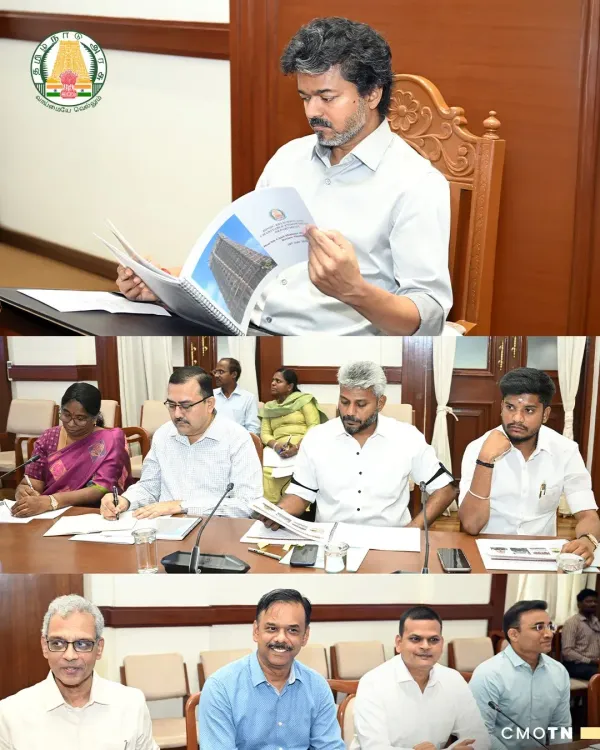
Chief Minister C. Joseph Vijay on 28 July 2026 chaired a review of the Hindu Religious and Charitable Endowments Department at the Tamil Nadu Secretariat, assessing temple schemes and departmental operations under the state's 1959 HR&CE Act.
Key Takeaways
Joseph Vijay chaired the HR&CE Department review meeting on 28 July 2026 at the Tamil Nadu Secretariat.
The meeting covered programmes and operations of the Hindu Religious and Charitable Endowments Department .
The HR&CE Department administers Tamil Nadu's Hindu temples, mutts, and endowments under the Tamil Nadu HR&CE Act, 1959 .
Periodic departmental reviews of HR&CE are a standard governance practice followed by all successive Tamil Nadu governments.
Specific outcomes or directives from the meeting have not been officially disclosed beyond the CMO announcement.
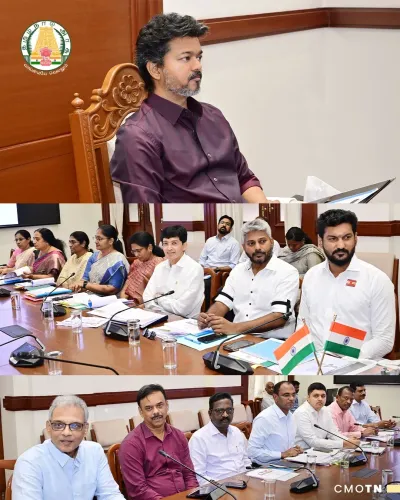
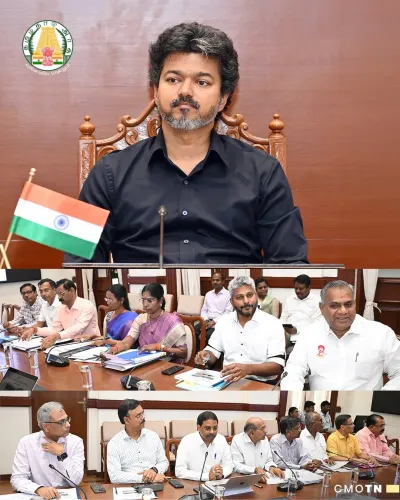
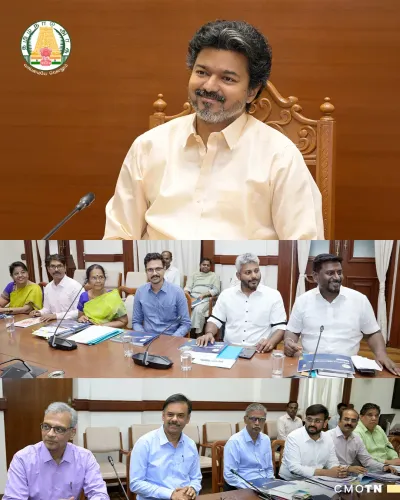
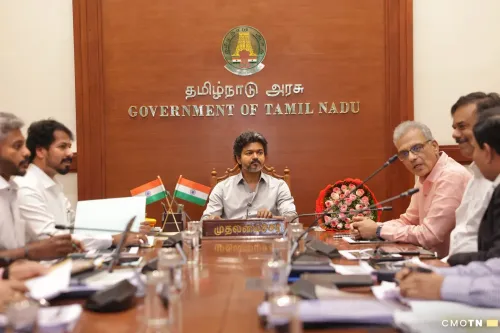
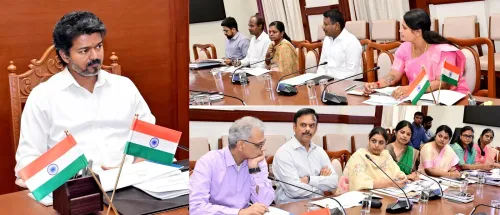
A routine but consequential check-in on one of Tamil Nadu's most sweeping administrative responsibilities took place on Tuesday, 28 July 2026, as Chief Minister C. Joseph Vijay chaired a departmental review meeting on the programmes and operations of the Hindu Religious and Charitable Endowments (HR&CE) Department at the Tamil Nadu Secretariat in Chennai.
What the HR&CE Department actually oversees
The HR&CE Department is no small portfolio. Established under the Tamil Nadu Hindu Religious and Charitable Endowments Act, 1959, it functions as the state's administrative custodian of thousands of Hindu temples, mutts, and charitable endowments across Tamil Nadu. Temple renovation schemes, land and property management, revenue collection, and the welfare of priests and temple staff all fall within its remit — making it one of the more politically and culturally sensitive departments in state governance.
A governance practice that spans every government
Successive Tamil Nadu administrations — regardless of party — have held periodic HR&CE review meetings to assess scheme implementation and flag administrative gaps. The practice underscores the state's long-standing, legally mandated role in overseeing Hindu religious institutions, a model unique to Tamil Nadu's governance architecture. For CM Vijay, the meeting signals an early engagement with a department whose decisions directly touch the lives of temple administrators, priests, and millions of devotees across the state.
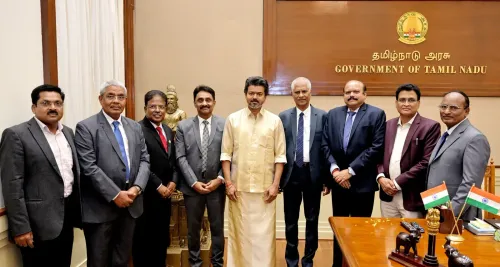
The meeting was held at the Chief Secretariat (தலைமைச் செயலகம்), the nerve centre of Tamil Nadu's executive administration. Specific outcomes, schemes reviewed, or directives issued from the 28 July 2026 session have not been officially detailed beyond the CMO's announcement.
With temple land management and renovation fund utilisation perennial flashpoints, the departments under review will be watched closely for follow-up announcements in the weeks ahead.
Point of View
But the department carries outsized political weight in Tamil Nadu. State control over Hindu temples under the 1959 Act has long drawn scrutiny from religious groups and opposition voices alike, making any policy shift or allocation decision from this review politically consequential. How the Vijay government navigates temple land management and priest welfare — two perennial pressure points — will be an early indicator of its governance priorities. Watch for follow-up budget announcements or rule amendments in the months ahead.
NationPress
28 Jul 2026
Frequently Asked Questions
What is the HR&CE Department in Tamil Nadu?
The Hindu Religious and Charitable Endowments (HR&CE) Department is a Tamil Nadu government body that administers Hindu temples, mutts, and charitable endowments under the Tamil Nadu HR&CE Act, 1959. It oversees temple renovation, land management, revenue collection, and the welfare of priests and staff.
Who is C. Joseph Vijay and how did he become Chief Minister?
C. Joseph Vijay, widely known as the actor Vijay, transitioned from a celebrated film career to politics and became Chief Minister of Tamil Nadu as of 2026. He chaired the HR&CE Department review on 28 July 2026.
What was discussed at the HR&CE review meeting on 28 July 2026?
The meeting, chaired by CM Vijay at the Tamil Nadu Secretariat, covered the programmes and operational activities of the HR&CE Department. Specific outcomes or directives from the session have not been officially detailed.
Why does Tamil Nadu have state control over Hindu temples?
Under the Tamil Nadu Hindu Religious and Charitable Endowments Act of 1959, the state government exercises administrative oversight over Hindu religious institutions, including temples and mutts. This model of state involvement is unique to Tamil Nadu and has been maintained by successive governments.
Where is the Tamil Nadu Secretariat located?
The Tamil Nadu Secretariat, known as the Chief Secretariat, is located in Chennai and serves as the seat of the state's executive administration, where cabinet and departmental review meetings are routinely held.