CM Joseph Vijay Chairs Tamil Nadu Disaster Management Meet
Synopsis
Chief Minister C. Joseph Vijay chaired a Tamil Nadu Disaster Management Authority meeting at the Chennai Secretariat on 5 June 2026, signalling a formal pre-monsoon preparedness review ahead of the northeast monsoon season.
Key Takeaways
Joseph Vijay chaired the Tamil Nadu Disaster Management Authority meeting on 5 June 2026 .
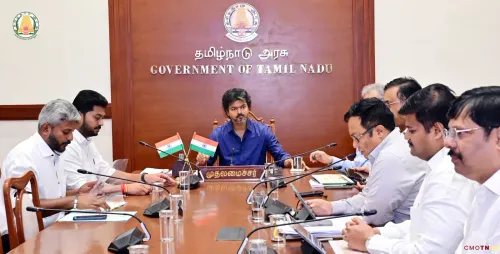
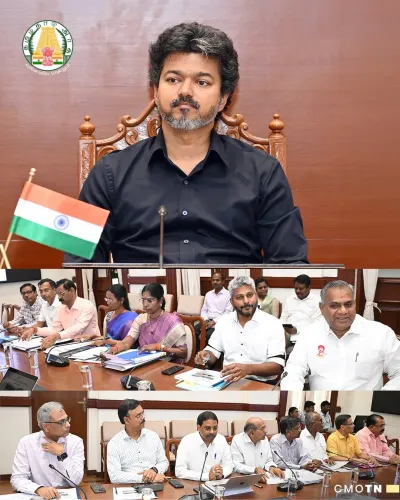
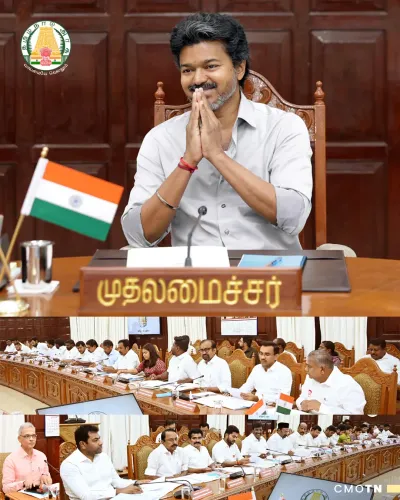
The meeting was held at the Secretariat, Chennai , the seat of the Tamil Nadu state government.
The TNDMA is constituted under the Disaster Management Act, 2005 and mandated to coordinate state-level disaster response.
Tamil Nadu has held annual pre-monsoon SDMA reviews since the 2004 Indian Ocean tsunami , with protocols updated after the 2015 Chennai floods and Cyclone Gaja (2018) .
Key stakeholders include coastal district residents , delta farmers , and urban local bodies dependent on SDRF allocations and emergency directives.
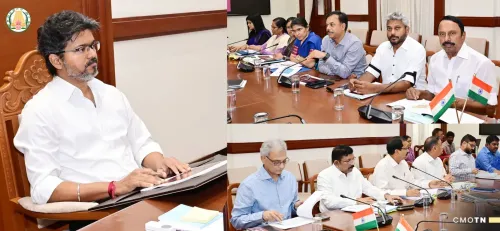
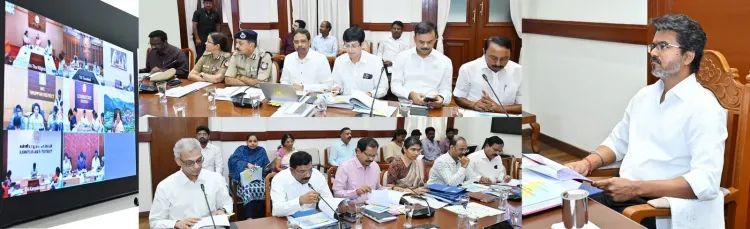
The Chief Minister's Office of Tamil Nadu announced on 5 June 2026 that Chief Minister C. Joseph Vijay presided over a meeting of the Tamil Nadu Disaster Management Authority (TNDMA) at the Secretariat, Chennai, marking a key pre-monsoon preparedness review.
Context
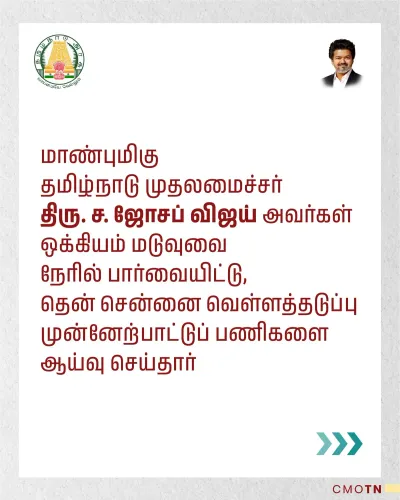
The CMO's post, shared in Tamil, states: 'மாண்புமிகு தமிழ்நாடு முதலமைச்சர் திரு ச. ஜோசப் விஜய் அவர்கள் தலைமையில் இன்று (5.6.2026) தலைமைச் செயலகத்தில், தமிழ்நாடு பேரிடர் மேலாண்மை ஆணையக் கூட்டம் நடைபெற்றது.' ('Under the chairmanship of the Honourable Chief Minister of Tamil Nadu, Mr C. Joseph Vijay, a meeting of the Tamil Nadu Disaster Management Authority was held today at the Secretariat.') The meeting was convened at the Secretariat in Chennai, the seat of the state government.
The TNDMA is a statutory body constituted under the Disaster Management Act, 2005, mandated to prepare state disaster management plans and coordinate response across departments. Periodic review meetings, particularly ahead of the monsoon season, are a core function of the authority.
Policy Backdrop
Tamil Nadu constituted its State Disaster Management Authority in the aftermath of the 2004 Indian Ocean tsunami, institutionalising annual pre-monsoon reviews as a standard governance practice. Subsequent disasters — notably the 2015 Chennai floods and Cyclone Gaja in 2018 — prompted the authority to adopt updated standard operating procedures and district-level emergency plans.
The state lies along a high-risk cyclone and flood corridor on the Bay of Bengal, making coordinated pre-monsoon readiness a matter of significant public safety. TNDMA meetings traditionally cover early-warning systems, evacuation infrastructure, and inter-departmental coordination protocols.
Stakeholders and Impact
The decisions emerging from such meetings directly affect coastal district residents, delta farmers, and urban local bodies across the state. District Collectors, revenue officials, and emergency services are typically tasked with implementing any fresh directives issued at the authority level.
The State Disaster Response Fund (SDRF) is a key financing mechanism reviewed at such meetings, with allocations channelled to districts based on assessed vulnerability and preparedness gaps.
What's Next
Attention will now turn to whether the 2026 monsoon preparedness report is released publicly, along with any fresh directives on district disaster management plans or fund releases from the SDRF. With the northeast monsoon season approaching, the outcomes of this meeting are expected to shape on-ground readiness across Tamil Nadu's most vulnerable districts.
Point of View
Ahead of the northeast monsoon, fits the institutionalised pre-monsoon review cycle that Tamil Nadu formalised after the 2004 tsunami. How the state translates this meeting into measurable district-level preparedness will be the real test of its disaster-readiness architecture.
NationPress
21 Oct 2026
Frequently Asked Questions
What is the Tamil Nadu Disaster Management Authority?
The Tamil Nadu Disaster Management Authority (TNDMA) is a statutory body set up under the Disaster Management Act, 2005, responsible for preparing state disaster management plans and coordinating response across government departments.
Why did CM Joseph Vijay chair the TNDMA meeting on 5 June 2026?
CM C. Joseph Vijay chaired the meeting at the Chennai Secretariat as part of a formal pre-monsoon preparedness review, a practice Tamil Nadu has institutionalised since the 2004 Indian Ocean tsunami.
What is the State Disaster Response Fund?
The State Disaster Response Fund (SDRF) is a central financing mechanism reviewed at TNDMA meetings, with allocations directed to districts based on their vulnerability and preparedness needs ahead of each monsoon season.
How often does Tamil Nadu hold disaster management authority meetings?
Tamil Nadu holds at least annual pre-monsoon reviews of its disaster management authority, with additional meetings convened after major weather events or as preparedness requirements demand.
Which areas of Tamil Nadu are most at risk from cyclones and floods?
Coastal districts and river-delta farming regions along the Bay of Bengal coastline are considered highest-risk, and are the primary focus of TNDMA preparedness directives and SDRF fund releases.