CM Vijay inspects Chembarambakkam Lake ahead of NE monsoon
Synopsis
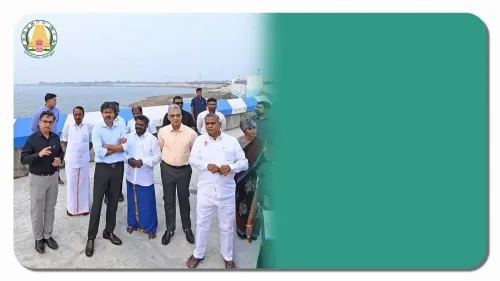
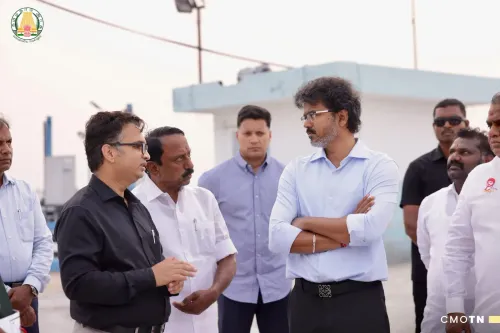
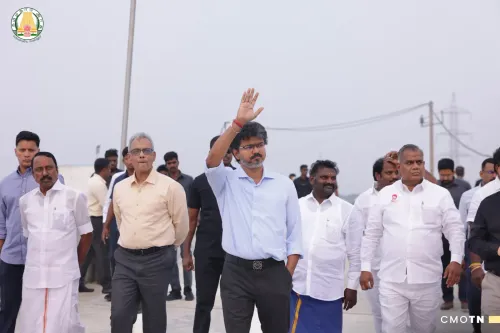
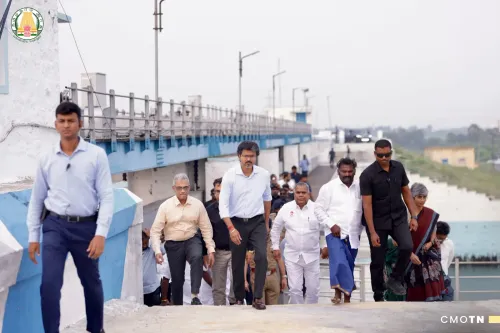
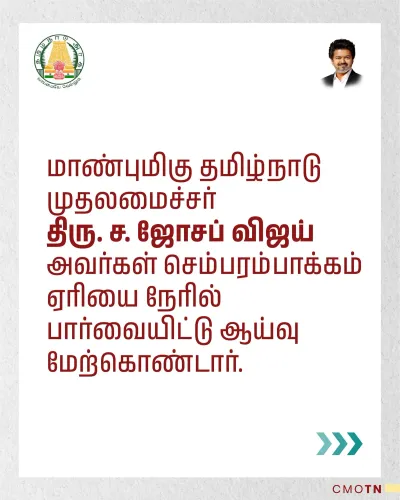
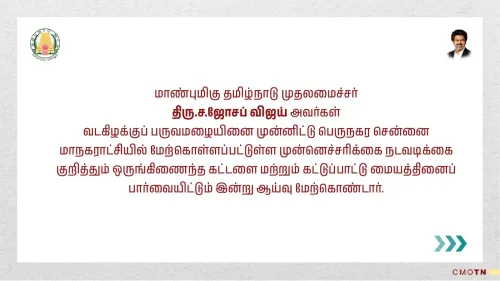
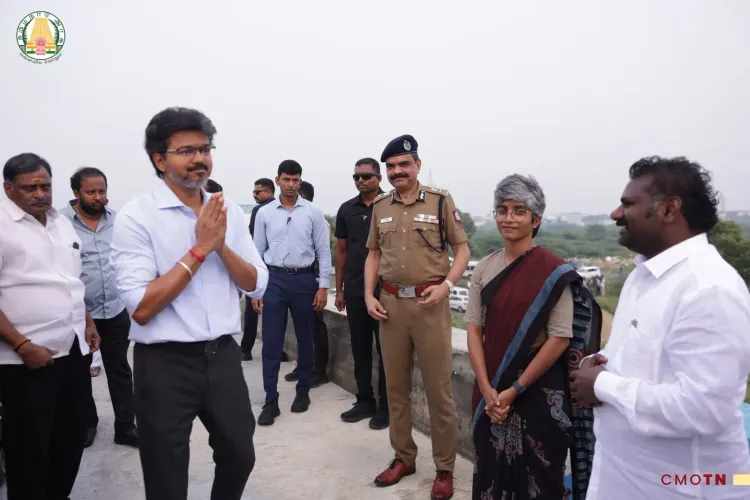
Chief Minister C. Joseph Vijay personally inspected the sluice gates, intake tower, surplus weir and bund of Chembarambakkam Lake in Kancheepuram on 26 October 2026, conducting a pre-northeast-monsoon readiness review of Chennai's critical drinking-water and flood-management reservoir.
Key Takeaways
Joseph Vijay visited Chembarambakkam Lake , Kancheepuram District , on 26 October 2026 .
The inspection covered sluice gates, intake tower, surplus weir, and bund areas — all four critical structural components of the reservoir.
Chembarambakkam Lake is a primary drinking-water source for Chennai and a key flood-regulation point for the region.
Tamil Nadu governments have maintained a practice of pre-northeast-monsoon on-site reservoir inspections, particularly after the 2015 Chennai floods .
Announcements on desilting, maintenance works, or water-release protocols for the 2026-27 season are expected to follow.
Both Kancheepuram farmers and Chennai's urban water consumers have a direct stake in the reservoir's operational condition.
With the northeast monsoon bearing down on Tamil Nadu, Chief Minister C. Joseph Vijay made a hands-on visit to one of Chennai's most critical water lifelines on Monday, 26 October 2026 — walking the bund, checking the sluice gates, and personally examining the infrastructure that stands between the city and both drought and flood.
The Chief Minister's Office confirmed that Vijay inspected the sluice gates, intake tower, surplus weir, and bund areas of Chembarambakkam Lake in Kancheepuram District — a sprawling reservoir that doubles as a primary drinking-water source for Chennai and a key node in the region's flood-management network.
Why Chembarambakkam carries so much weight
Chembarambakkam Lake is not simply one reservoir among many. It sits at the intersection of two urgent civic responsibilities: supplying potable water to millions of Chennai residents and absorbing the surge flows that, if mismanaged, can cascade into urban flooding downstream. The stakes were made vivid during the 2015 Chennai floods, when the handling of releases from this very lake drew intense scrutiny and triggered a series of structural reviews and bund-strengthening works that have continued in subsequent years.
Since then, successive Tamil Nadu governments have institutionalised pre-monsoon on-site inspections of major reservoirs — treating them not as ceremonial walkthroughs but as operational readiness checks on sluices, weirs, and earthen bunds before peak inflow season.
Sluice gates, intake tower, surplus weir — what the CM actually checked
The four structures examined tell a precise story about what keeps a reservoir safe. Sluice gates control the controlled release of water into canals and waterways; a gate that jams or leaks under pressure can trigger uncontrolled flooding. The intake tower governs how raw water is drawn for treatment and onward supply to the city. The surplus weir acts as the lake's safety valve — spilling excess water away before it overtops the bund. And the bund itself, the earthen embankment holding the reservoir together, is the last line of defence. A structural weakness there is not a maintenance problem; it is a catastrophe in waiting.
By inspecting all four in a single visit, the Chief Minister signalled a comprehensive readiness review rather than a selective photo opportunity.
What farmers and Chennai residents will be watching next
Two constituencies have an immediate stake in what follows this inspection. Kancheepuram district farmers depend on irrigation releases from the lake's network, and the timing and quantum of those releases will shape the kharif and rabi cultivation cycle. Chennai's urban residents, meanwhile, track the lake's storage levels closely — especially after years of acute water scarcity in the city. Possible announcements on desilting schedules, maintenance works, or water-release protocols for the 2026-27 season are expected to follow the inspection.
An on-site inspection by the state's top elected official sends an unmistakable administrative signal: the government is watching this reservoir closely, and accountability for its condition now runs directly to the Chief Minister's office.
Point of View
Particularly the 2015 flood controversy, has made reservoir governance a politically and practically sensitive issue that no government can afford to treat as routine bureaucracy. The inspection also reflects a broader pattern across Indian states of deploying high-visibility infrastructure walkthroughs as both genuine oversight and public reassurance ahead of monsoon season. Whether it translates into announced maintenance timelines or revised water-release protocols will determine whether this visit is remembered as consequential policy or well-framed optics.
NationPress
26 Oct 2026
Frequently Asked Questions
Why did Tamil Nadu CM Vijay visit Chembarambakkam Lake?
Chief Minister C. Joseph Vijay inspected Chembarambakkam Lake on 26 October 2026 to personally review the structural readiness of the reservoir's sluice gates, intake tower, surplus weir and bund ahead of the northeast monsoon season.
What is Chembarambakkam Lake and why is it important?
Chembarambakkam Lake is a major reservoir in Kancheepuram District that serves as one of Chennai's primary sources of drinking water and plays a critical role in regulating flood flows in the region.
What structures were inspected at Chembarambakkam Lake?
The Chief Minister examined four key components: the sluice gates (which control water release), the intake tower (which draws water for city supply), the surplus weir (the overflow safety valve), and the earthen bund that holds the reservoir.
What happened at Chembarambakkam Lake during the 2015 Chennai floods?
During the 2015 Chennai floods, the management of water releases from Chembarambakkam Lake came under intense scrutiny. The incident led to systematic reviews and strengthening works on the reservoir's bunds, sluices and surplus weirs in subsequent years.
What could follow the Chief Minister's Chembarambakkam inspection?
Authorities are expected to announce maintenance works, desilting schedules or updated water-release protocols for the 2026-27 season following the Chief Minister's on-site review.