CM Vijay inspects Chembarambakkam Lake infrastructure
Synopsis
Tamil Nadu Chief Minister C. Joseph Vijay personally inspected Chembarambakkam Lake's sluice gates, intake tower, surplus weir, and bund areas in Kancheepuram District on 26 October 2026, ahead of the northeast monsoon season, in a hands-on review of infrastructure critical to Chennai's water supply and flood management.
Key Takeaways
Joseph Vijay conducted an on-site inspection of Chembarambakkam Lake in Kancheepuram District on 26 October 2026 .
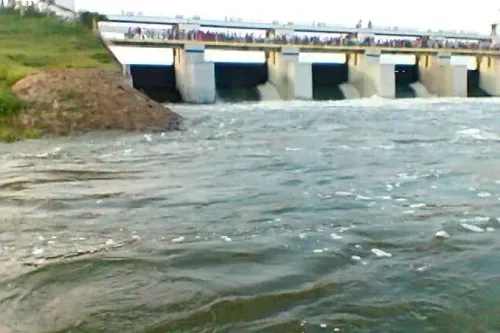
The inspection covered the lake's sluice gates , intake tower , surplus weir , and bund areas — the core flood-regulation structures.
Chembarambakkam Lake is a primary drinking water source for Chennai and a key irrigation resource for surrounding farmland.
The visit aligns with Tamil Nadu 's established practice of pre-monsoon reservoir inspections, reinforced since the Kudimaramathu scheme revival in 2017 .
The northeast monsoon (October–December) puts maximum stress on the lake's infrastructure, making structural assessments at this point in the calendar especially consequential.
Follow-up decisions on maintenance works and water-release protocols for the 2026-27 season are expected to emerge from the inspection.
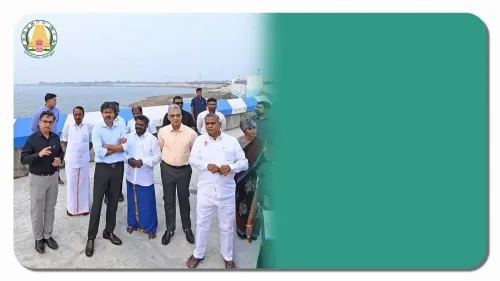
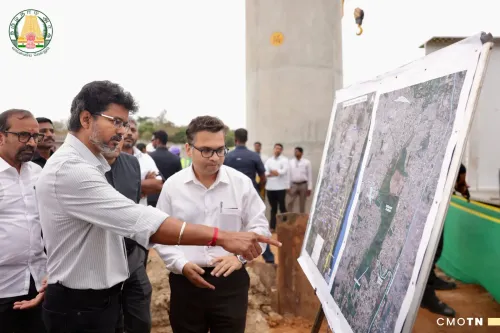
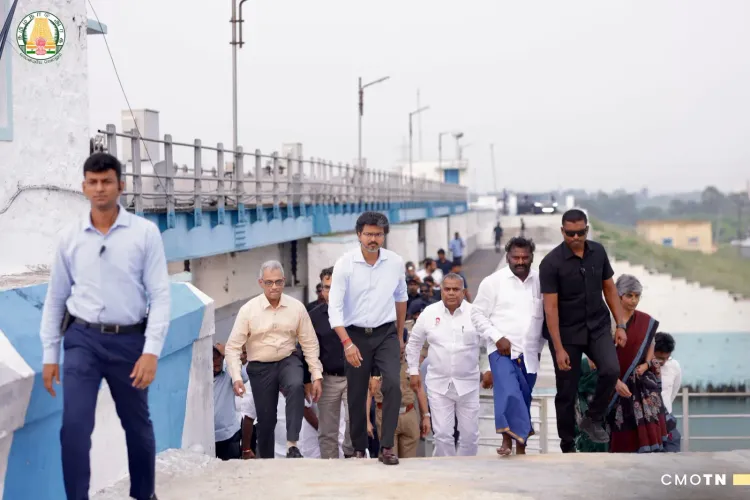
With Chennai's water security and flood preparedness hanging in the balance ahead of the northeast monsoon, Tamil Nadu Chief Minister C. Joseph Vijay made a hands-on visit to one of the state's most critical reservoirs on Monday, 26 October 2026 — walking the bund, studying the sluice gates, and assessing the surplus weir of Chembarambakkam Lake in Kancheepuram District himself.
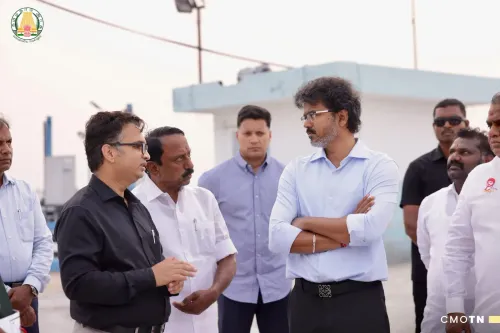
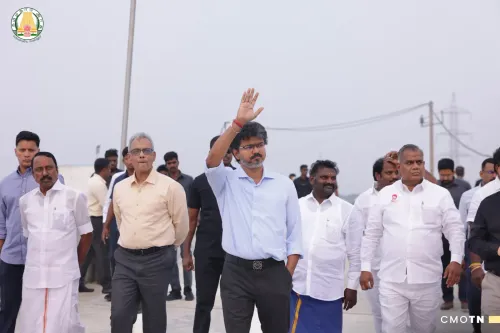
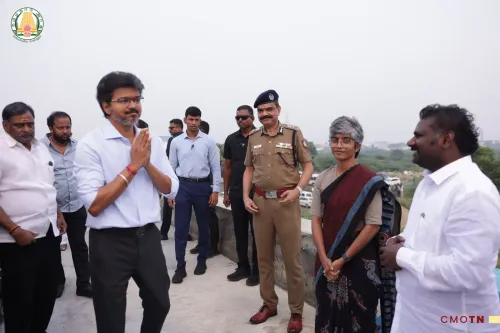
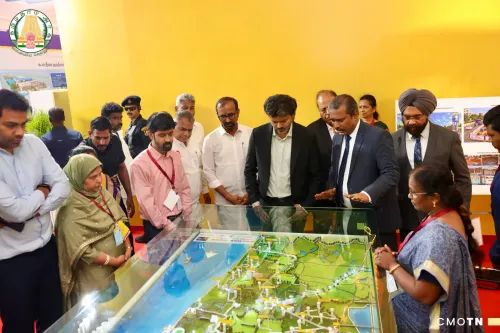
The Chief Minister's Office confirmed the inspection covered the lake's sluice gates, intake tower, surplus weir, and bund areas — the four structural components that together govern how much water enters and leaves the reservoir during heavy rainfall events. The visit was documented with images shared by the official account.
Why Chembarambakkam is Chennai's most watched reservoir
Chembarambakkam Lake is no ordinary tank. Sitting in Kancheepuram District, it serves as a primary source of drinking water for the Chennai metropolitan region and irrigates farmland across the surrounding belt. When it overfills, downstream urban neighbourhoods face flooding; when it runs dry, the city feels the shortage in taps across millions of homes. The stakes at this single site are disproportionately high.
The lake gained national attention during past flood events when water releases from Chembarambakkam inundated large swathes of Chennai. Since then, monitoring its structural health before and during the northeast monsoon — which typically runs from October to December — has become a political and administrative priority for every successive Tamil Nadu government.
Kudimaramathu lineage and the monsoon inspection cycle
The inspection fits a pattern the state has maintained for years. Tamil Nadu revived the community-led Kudimaramathu scheme from 2017 onwards to restore and maintain traditional water bodies, including desilting and bund repairs at major tanks. Periodic top-level visits to reservoirs like Chembarambakkam ahead of the monsoon serve both an engineering purpose — catching structural vulnerabilities before the rains stress-test them — and a governance signal to residents and farmers that the infrastructure is actively managed.
Local farmers who depend on reservoir water for irrigation and Chennai residents who rely on it for daily supply are the two constituencies most directly affected by the condition of the lake's gates and weir. A functioning surplus weir, in particular, determines whether excess water can be safely discharged without triggering an uncontrolled surge downstream.
What follows the walkthrough
Inspections of this kind typically precede formal maintenance orders, water-release protocol reviews, or directives to the Public Works Department. Whether CM Vijay's visit on 26 October generates specific repair mandates or updated discharge guidelines for the 2026-27 monsoon season will become clear in the coming days — and Chennai's urban flood managers will be watching closely.
For a city that has learned, flood by flood, how quickly reservoir mismanagement can turn a rain event into a crisis, a Chief Minister standing on the bund and seeing the gates for himself is the kind of accountability the monsoon demands.
Point of View
The optics and the operational intent here are difficult to separate.
NationPress
26 Oct 2026
Frequently Asked Questions
Why did the Tamil Nadu CM inspect Chembarambakkam Lake?
Chief Minister C. Joseph Vijay inspected Chembarambakkam Lake on 26 October 2026 to assess the structural condition of its sluice gates, intake tower, surplus weir, and bund areas ahead of the northeast monsoon season, which places maximum stress on the reservoir's flood-management infrastructure.
What is the importance of Chembarambakkam Lake for Chennai?
Chembarambakkam Lake in Kancheepuram District is one of Chennai's primary drinking water sources and also supports irrigation for surrounding farmland. Its surplus weir and sluice gates directly control water releases that can impact urban flooding in the Chennai metropolitan region.
What is the Kudimaramathu scheme in Tamil Nadu?
The Kudimaramathu scheme is a Tamil Nadu initiative revived from 2017 to restore and maintain traditional water bodies, including desilting tanks and repairing bunds. It established the practice of periodic government-level inspection and upkeep of major reservoirs like Chembarambakkam.
When does the northeast monsoon hit Tamil Nadu?
The northeast monsoon typically arrives in Tamil Nadu between October and December, making October the critical window for reservoir infrastructure checks, water-release protocol reviews, and flood-mitigation preparations.
What happens after the CM inspects a reservoir like Chembarambakkam?
Post-inspection visits of this kind typically lead to formal maintenance directives to the Public Works Department, updated water-release protocols, or orders for structural repairs. Specific follow-up measures for the 2026-27 monsoon season are expected to be announced in the coming days.