Chembarambakkam reservoir at 35% capacity; Chennai water shortage ruled out
Synopsis
Chembarambakkam — Chennai's key reservoir — has slipped to just 35% capacity after weak rainfall, with dried-up sluice areas making the drop visible on the ground. Officials insist there is no immediate shortage risk, relying on Sikkarayapuram quarry water to bridge the gap. But with the northeast monsoon just beginning, the city's water security buffer is thinner than it should be.
Key Takeaways
Chembarambakkam lake holds 1,275 million cubic feet — just 35% of its 3,645 mcft total capacity, as of 14 October 2026 .
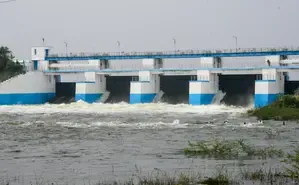
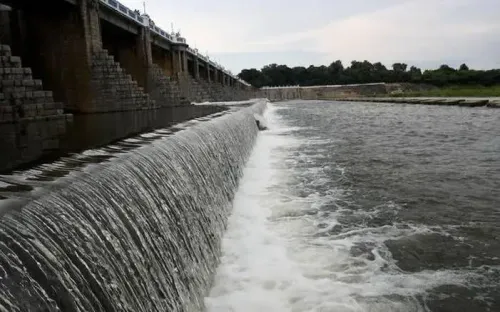
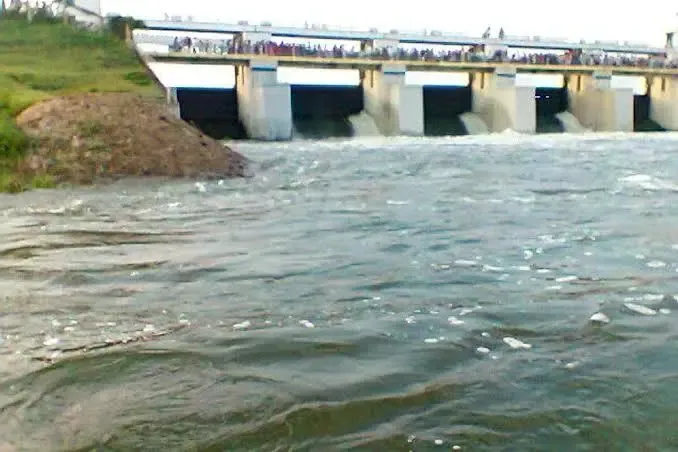
Areas around the five-vent and 19-vent sluices have dried up, visually reflecting the extent of the water level drop.
Sikkarayapuram quarries are supplementing Chembarambakkam to maintain drinking water distribution to Chennai residents.
Officials have ruled out an immediate drinking water shortage, citing active monitoring and regulated withdrawals.
The situation echoes the warning signs preceding Chennai's 2019 water crisis, though conditions have not reached that level of severity.
Chembarambakkam lake, one of Chennai's principal drinking water reservoirs, is holding 1,275 million cubic feet of water against its total capacity of 3,645 million cubic feet — just 35% of full storage — following a prolonged spell of inadequate rainfall in the catchment area, officials confirmed on Tuesday, 14 October 2026. Despite the sharp decline, authorities have assured city residents that drinking water distribution will continue uninterrupted under current supply arrangements.
How Low Has the Reservoir Fallen
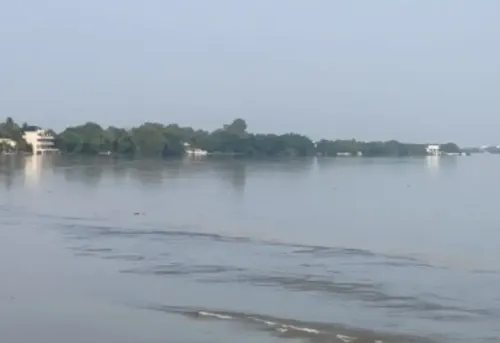
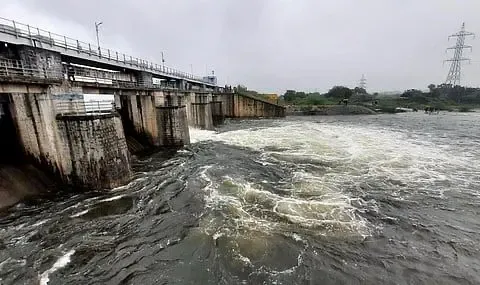
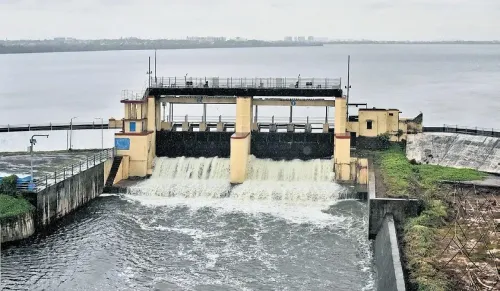
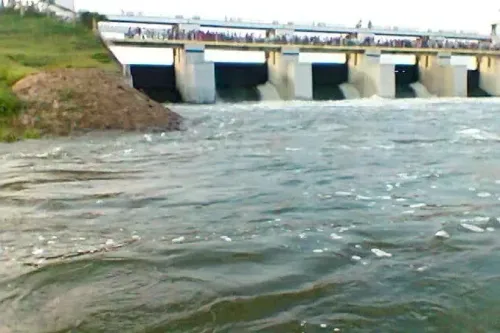
The receding waterline is visibly apparent around the lake's sluice infrastructure. Areas flanking the five-vent and 19-vent sluices have dried up as the water level has pulled back, offering a stark visual indicator of the reservoir's reduced state. The shortfall is attributed to below-normal rainfall over the period, which has not replenished the lake at the rate required to maintain higher storage levels.
Current Supply Arrangements
Water from Chembarambakkam continues to be drawn daily, treated, and distributed through the city's supply network. To supplement the lake, authorities are also drawing from the Sikkarayapuram quarries, whose output is being processed and channelled into drinking water distribution. The dual-source arrangement is, for now, keeping household supply lines intact even as the reservoir remains well below full capacity.
What Officials Said
Officials confirmed they are actively monitoring the reservoir's storage level and calibrating withdrawal volumes in line with available water. They stressed that the lower storage figure should not be interpreted as a precursor to an immediate shortage. 'Drinking water distribution to residents is continuing,' they said, noting that the situation is under continuous watch and that supply volumes will be managed in proportion to availability.
Broader Context and What to Watch
Chembarambakkam has historically been one of the more vulnerable links in Chennai's water security chain. The city experienced a severe water crisis in 2019, when its four main reservoirs — including Chembarambakkam — ran nearly dry, forcing authorities to deploy water tankers across the metropolis. While conditions today are not at that level of severity, the sub-40% storage reading merits close attention, particularly if the northeast monsoon — which typically delivers the bulk of the region's rainfall between October and December — underperforms. Any significant deficit in the weeks ahead could tighten the supply buffer considerably. Authorities have indicated they will adjust withdrawal rates dynamically, but the margin for error narrows as storage falls further.
Point of View
But 35% storage at the start of the northeast monsoon window is a narrow cushion. Chennai's 2019 near-dry-out showed how quickly a below-average monsoon can convert a 'managed' reservoir decline into a full-blown crisis. The reliance on Sikkarayapuram quarry water — a source rarely foregrounded in normal years — signals that the buffer is thinner than authorities' calm framing suggests. The city's long-term vulnerability to single-season rainfall dependence remains unaddressed, and this episode is a reminder that infrastructure diversification, not just monitoring, is the missing piece.
NationPress
14 Oct 2026
Frequently Asked Questions
What is the current water level in Chembarambakkam lake?
As of 14 October 2026, Chembarambakkam lake holds 1,275 million cubic feet of water, which is approximately 35% of its total capacity of 3,645 million cubic feet. The drop follows a period of inadequate rainfall in the catchment area.
Will Chennai face a drinking water shortage due to the low reservoir level?
Officials have ruled out an immediate drinking water shortage, saying supply to residents is continuing under present arrangements. Water from both Chembarambakkam and the Sikkarayapuram quarries is being treated and distributed to the city.
Why has Chembarambakkam's water level fallen?
The decline is attributed to insufficient rainfall over the reservoir's catchment area, which has not replenished the lake at the rate needed to sustain higher storage. The dry stretches around the five-vent and 19-vent sluices visibly reflect the extent of the drop.
What is the Sikkarayapuram quarry and why is it being used?
The Sikkarayapuram quarries are an alternative water source currently being drawn upon to supplement Chembarambakkam. Their output is treated and channelled into Chennai's drinking water distribution network while the reservoir remains below full capacity.
How serious was Chennai's last major water crisis?
In 2019, Chennai's four main reservoirs — including Chembarambakkam — ran nearly dry, forcing authorities to deploy water tankers across the city. While current storage levels are concerning, officials say conditions have not reached that level of severity.