CM Vijay Felicitates 12 Tamil Nadu WorldSkills Medallists
Synopsis
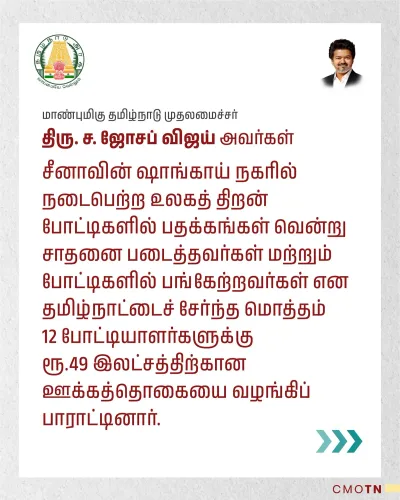
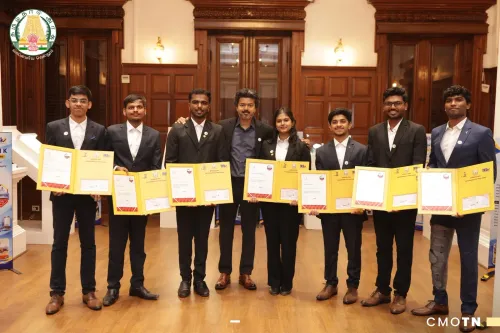
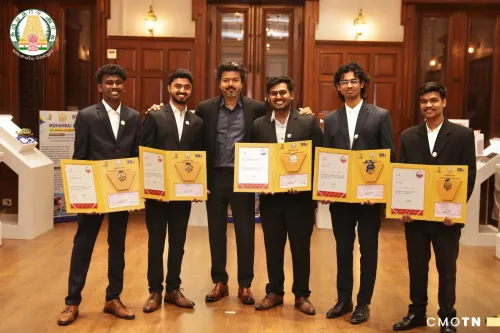
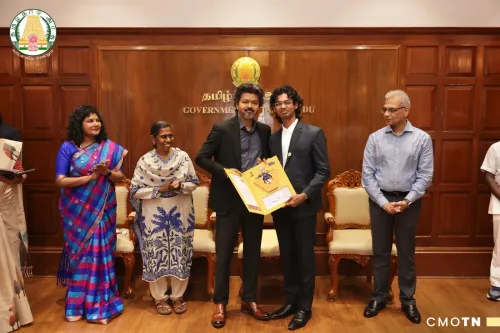
Chief Minister C. Joseph Vijay of Tamil Nadu presented Rs. 49 lakh in cash incentives to 12 competitors — 1 silver medallist, 4 Medal for Excellence winners, and 7 participants — from the WorldSkills Competition held in Shanghai, China, at the Secretariat on 27 October 2026.
Key Takeaways
49 lakh in total cash incentives distributed to 12 Tamil Nadu competitors from WorldSkills Shanghai 2026.
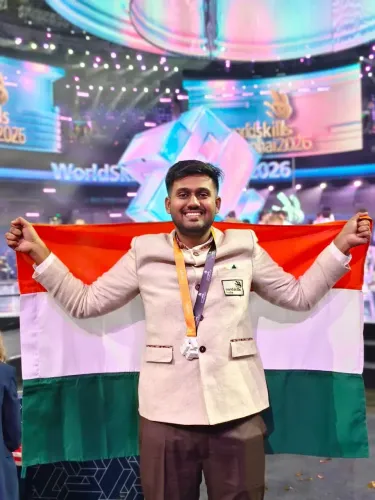
1 silver medallist was among the recipients — the highest individual finish from the state at this edition.
4 competitors received Medals for Excellence , awarded for crossing a global performance benchmark.
All 7 participants who competed without a podium finish were also felicitated, underscoring the state's broader encouragement of vocational ambition.
The felicitation was held at the Chief Secretariat, Chennai , with CM C.
Joseph Vijay presenting cheques in person.
The payout follows a wider pattern of Indian state governments using structured prize money to elevate the profile of vocational skills training.
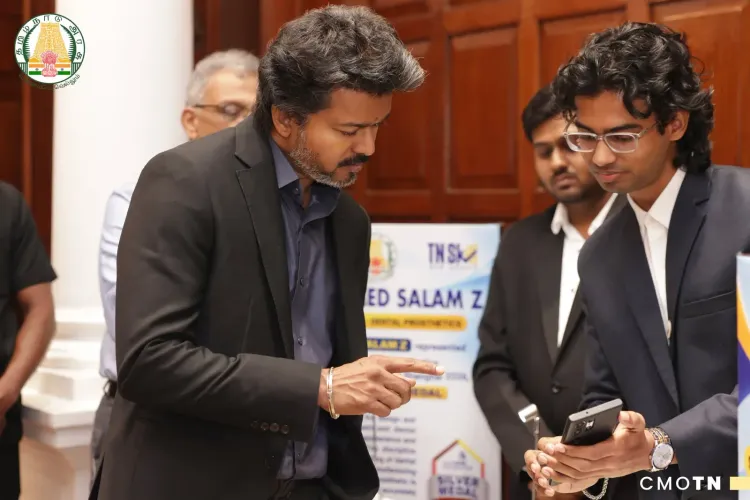
Twelve young professionals from Tamil Nadu walked into the Chief Secretariat in Chennai on Tuesday, 27 October 2026, and walked out with cheques — a tangible signal from the state that world-class vocational skill is worth rewarding. Chief Minister C. Joseph Vijay personally handed over cash incentives totalling Rs. 49 lakh to the competitors who represented the state at the WorldSkills Competition in Shanghai, China.
Who the 12 are, and what they won
The group spans three performance tiers. One competitor claimed a silver medal — the highest finish by a Tamil Nadu representative at this edition of the competition. Four others earned Medals for Excellence, the WorldSkills designation for scores that clear a global benchmark even without landing in the top three. The remaining seven competitors who participated without a podium finish were also honoured, a deliberate choice by the government to signal that the act of competing at that level carries its own worth.
WorldSkills Shanghai and what it means for India's skills ecosystem
WorldSkills International is the Olympics of vocational training — a biennial tournament where young workers aged under 23 compete across trades ranging from CNC machining and cloud computing to culinary arts and fashion technology. Hosting a delegation of 12 competitors from a single Indian state at such an event represents meaningful depth in the talent pipeline.
Indian state governments have increasingly used structured cash-incentive programmes to close the perception gap between vocational qualifications and conventional academic paths. Tamil Nadu's Rs. 49 lakh payout follows that broader pattern — putting prize money that rivals, and in some cases exceeds, what athletes receive for domestic sporting honours, squarely behind skilled trades.
The signal from the Secretariat
By hosting the felicitation at the Chief Secretariat — the nerve centre of Tamil Nadu's administration — rather than a ministerial chamber or a departmental function, the government frames this as a matter of state priority, not departmental routine. CM Vijay presenting the cheques in person amplifies that framing further.
The broader implication is straightforward: Tamil Nadu is betting that public recognition at the highest political level will nudge more young people toward vocational programmes, feeding a pipeline that increasingly competes on a global stage.
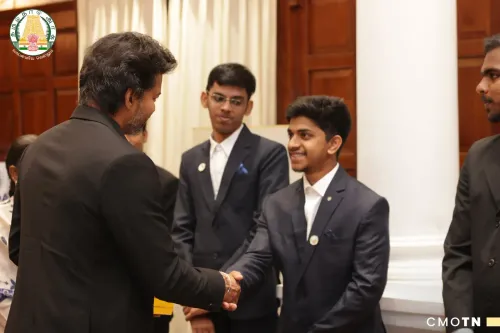
For twelve competitors who trained hard enough to reach Shanghai, the afternoon ended with a handshake from the Chief Minister and a cheque. The question now is how many others saw the moment and started training.
Point of View
CM Vijay's government signals that international exposure itself is an investable outcome, not merely podium finishes. Over time, these incentive structures can reshape aspirational choices for first-generation learners, provided they are paired with institutional investment in training infrastructure. The larger test is whether this visibility translates into a measurable uptick in enrolments and subsequent WorldSkills entries from Tamil Nadu.
NationPress
27 Oct 2026
Frequently Asked Questions
How much cash incentive did Tamil Nadu give WorldSkills 2026 competitors?
Tamil Nadu distributed a total of Rs. 49 lakh in cash incentives to 12 competitors who participated in the WorldSkills Competition held in Shanghai, China.
Who presented the WorldSkills prize money in Tamil Nadu?
Chief Minister C. Joseph Vijay personally presented the cheques at the Chief Secretariat in Chennai on 27 October 2026 .
What is a Medal for Excellence at WorldSkills?
A Medal for Excellence is awarded by WorldSkills International to competitors who achieve a score above a set global benchmark but do not finish in the top three — recognising world-class performance even outside the podium.
How many medals did Tamil Nadu win at WorldSkills Shanghai 2026?
Tamil Nadu won 1 silver medal and 4 Medals for Excellence , with an additional 7 competitors participating, for a total delegation of 12 from the state.
What is the WorldSkills Competition?
WorldSkills is a biennial international competition organised by WorldSkills International, where young people under 23 compete in vocational and technical skills across trades such as engineering, IT, hospitality, and manufacturing. The 2026 edition was held in Shanghai, China .