Mahua Moitra: ECI Affidavit Admits Vote Theft in West Bengal
Synopsis
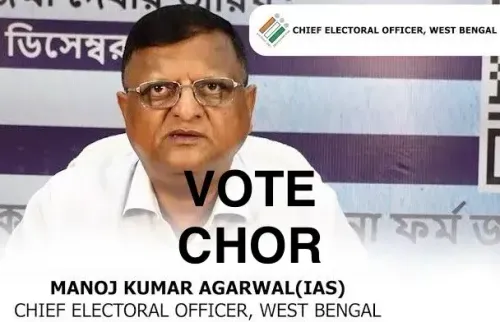
TMC MP Mahua Moitra has alleged that the West Bengal Chief Electoral Officer admitted 'vote chori' — vote theft — in a sworn affidavit before the Election Commission of India, raising serious questions about electoral integrity in the state and demanding an urgent official response.
Key Takeaways
TMC MP Mahua Moitra posted on October 27, 2026 that the West Bengal CEO admitted vote theft in an ECI affidavit.
An affidavit is a sworn legal statement; an admission in one by an electoral officer would be legally and constitutionally significant.
The Election Commission of India , a constitutional body under Article 324, has not yet issued a public response to the allegation.
West Bengal has a documented history of electoral disputes, with petitions filed around the 2021 assembly elections over voter roll irregularities.
Moitra represents Krishnanagar constituency in Nadia district and has a track record of document-backed electoral challenges.
The claim is expected to trigger parliamentary questions, potential public-interest litigation, and demands for the full affidavit text.
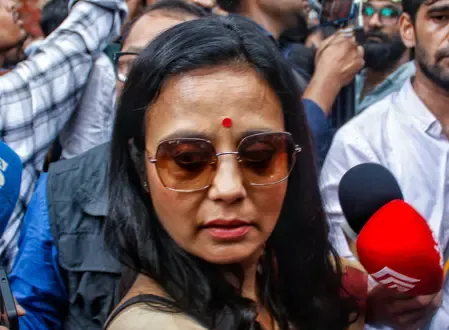
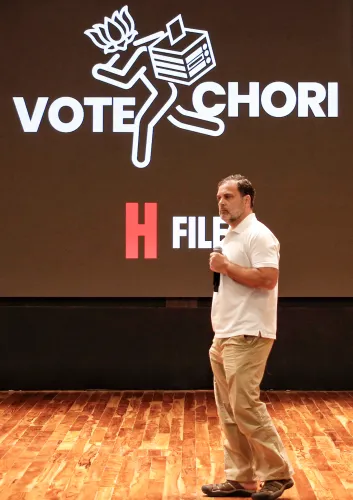
A pointed allegation has landed in India's electoral debate: TMC MP Mahua Moitra declared on Tuesday, October 27, 2026 that the West Bengal Chief Electoral Officer has admitted to 'vote chori' — vote theft — in a sworn affidavit filed before the Election Commission of India (ECI). The claim, if substantiated, would mark a rare instance of an electoral authority acknowledging malpractice on the record.
What the affidavit allegation means
Moitra's post is precise in its framing: she is not citing a news report or a party spokesperson — she is pointing to an affidavit filed by the state's own Chief Electoral Officer (CEO) and submitted to the ECI. An affidavit carries the weight of a sworn legal statement. If the CEO has indeed used language that concedes irregularities amounting to vote theft, that is an extraordinary departure from the Commission's typically guarded institutional communication.
The ECI, a constitutional body under Article 324, holds supreme authority over the conduct of elections. Its own officers making sworn admissions of electoral fraud would open the door to legal proceedings, fresh scrutiny of voter rolls, and demands for re-polling. Opposition MPs — and courts — have in the past used such admissions as triggers for deeper investigation.
West Bengal's long history of contested elections
West Bengal has been a flashpoint for electoral disputes across decades. Allegations of booth capturing, voter list manipulation, and intimidation have been raised by both the ruling All India Trinamool Congress and the BJP in successive cycles. Multiple petitions concerning electoral rolls and alleged irregularities were filed before the ECI and courts ahead of the 2021 assembly elections, making the state a recurring subject of Commission scrutiny.
Moitra, who represents Krishnanagar constituency in West Bengal's Nadia district, has consistently used both parliament and social media to spotlight what she describes as failures of electoral governance in the state. Her track record of raising sharp, document-backed challenges gives this post added weight — though the specific contents of the affidavit she references remain to be verified in full.
The pressure now on ECI to respond
The Commission faces a narrowing set of options. If the affidavit says what Moitra claims, silence would invite judicial and parliamentary pressure. A rebuttal would require the ECI to explain its own officer's sworn language. Either way, the post sets the clock ticking on a formal response.
Expect parliamentary questions, potential public-interest litigation, and opposition pressure for the full text of the affidavit to be placed on record. The integrity of West Bengal's voter rolls — and by extension the credibility of any upcoming electoral exercise in the state — now sits squarely at the centre of this storm.
Point of View
Not just political theatre — anchoring a serious allegation in a sworn document rather than party rhetoric. If the affidavit language holds up, it places the ECI in the unusual position of having its own institutional record used against it. This fits a broader pattern in which opposition MPs have shifted from allegations to documentation as their primary tool for challenging electoral governance. The development could embolden other parties to demand similar affidavit disclosures in other contested states, making this a potentially precedent-setting moment for electoral accountability in India.
NationPress
27 Oct 2026
Frequently Asked Questions
What is 'vote chori' and why is Mahua Moitra raising it?
'Vote chori' literally means 'vote theft' in Hindi — the rigging or stealing of electoral outcomes. Mahua Moitra is raising it because she claims the West Bengal Chief Electoral Officer has admitted to it in a sworn affidavit before the Election Commission of India, which would be an extraordinary legal and constitutional admission.
What is an affidavit filed before the ECI and why does it matter?
An affidavit is a sworn written statement made under oath. When filed by a government official such as the Chief Electoral Officer before the Election Commission, it carries serious legal weight and can be used as evidence in court proceedings or parliamentary inquiries.
Who is the West Bengal Chief Electoral Officer?
The Chief Electoral Officer (CEO) of West Bengal is a senior IAS officer appointed by the Election Commission of India to oversee electoral administration in the state, including the preparation and revision of voter rolls.
Has the Election Commission of India responded to Moitra's allegation?
As of October 27, 2026, no public response from the Election Commission of India to Mahua Moitra's post or the referenced affidavit has been reported.
What can happen if an electoral officer admits vote theft in an affidavit?
Such an admission could trigger public-interest litigation, parliamentary scrutiny, demands for re-polling in affected constituencies, and disciplinary or legal proceedings against officials responsible for the irregularities.