CM Mohan Yadav Backs Bharat Tex 2026 as Textile Mahakumbh
Synopsis
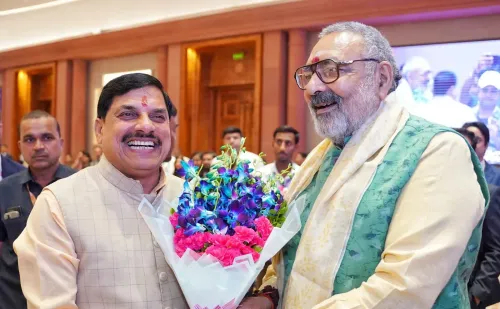
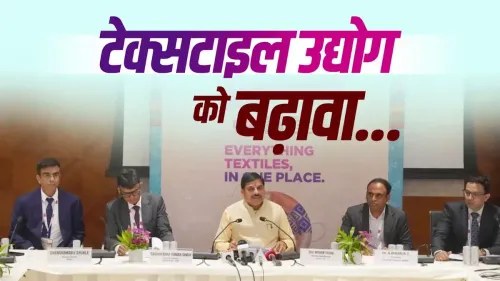
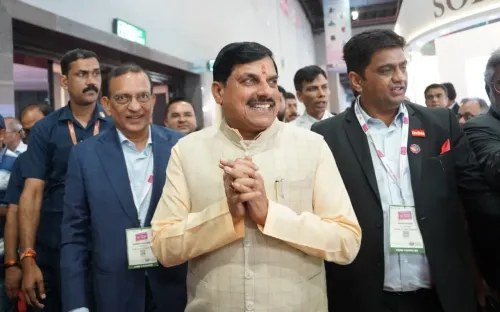
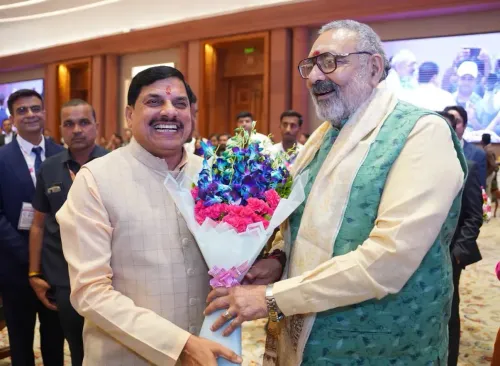
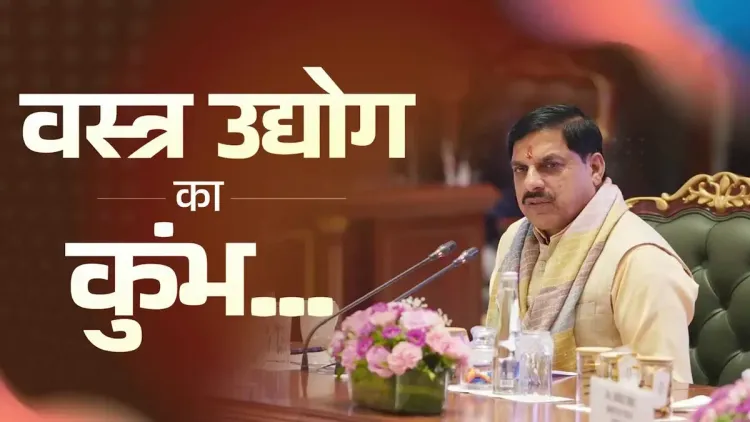
The Chief Minister's Office of Madhya Pradesh has championed Bharat Tex 2026 as the 'Mahakumbh of the textile industry,' with CM Dr. Mohan Yadav spotlighting the event's convergence of global brands, policymakers, and fashion designers as a milestone for India's textile sector.
Key Takeaways
The Chief Minister's Office of Madhya Pradesh on 16 July 2026 described Bharat Tex 2026 as the 'Mahakumbh of the textile industry.' CM Dr.
Mohan Yadav highlighted participation of global brand representatives, textile experts, policymakers, and fashion designers.
The post tags the Ministry of Textiles and the Ministry of MSME , indicating central-state coordination on the event.
India's textile policy backbone includes the PLI scheme (launched September 2021) and the ATUFS modernisation fund (operational since 2016) .
Madhya Pradesh has active handloom, powerloom, and apparel clusters and is positioning itself as a key textile investment destination.
Venue, dates, and investment commitments for Bharat Tex 2026 are yet to be officially confirmed.
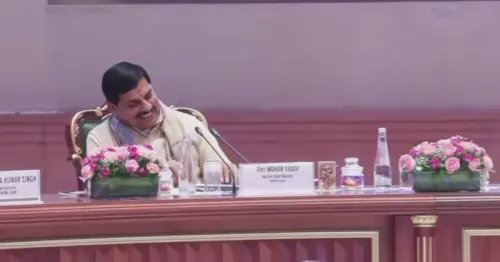
The Chief Minister's Office of Madhya Pradesh on Thursday, 16 July 2026 highlighted Bharat Tex 2026 as the 'Mahakumbh of the textile industry,' underscoring the event's role in bringing together global brand representatives, leading textile experts, policymakers, and fashion designers on a single platform.
Context
The post, shared by the official CMO handle and attributed to Chief Minister Dr. Mohan Yadav, describes Bharat Tex 2026 in Hindi as 'वस्त्र उद्योग का महाकुंभ' — 'the Mahakumbh of the textile industry.' The Mahakumbh metaphor, invoking India's largest mass gathering, signals the ambition to make the event the definitive convergence point for the global textile trade. The post tags the Ministry of Textiles and the Ministry of MSME, indicating central government co-ownership of the initiative.
The participation of global brand representatives alongside domestic policymakers and fashion designers positions Bharat Tex 2026 as both a trade and policy platform, aimed at attracting sourcing commitments and investment into India's textile ecosystem.
Policy Backdrop
India has pursued a sustained strategy to expand its share of global textile and apparel trade. The Union government launched the Production Linked Incentive (PLI) scheme for textiles in September 2021, designed to attract large-scale investment and boost exports in man-made fibre fabrics and technical textiles. The Amended Technology Upgradation Fund Scheme (ATUFS), operational since 2016, has supported modernisation of textile manufacturing units across the country.
Madhya Pradesh is an active participant in this national push, with established clusters in handloom, powerloom, and apparel manufacturing. CM Dr. Mohan Yadav, in office since December 2023, has prioritised industrial promotion — including textiles and MSMEs — as a pillar of the state's economic agenda.
Stakeholders and Impact
The event is designed to serve a broad stakeholder base: textile MSMEs that form the backbone of India's decentralised weaving and garment units, apparel exporters seeking global buyers, and foreign brands evaluating India as an alternative sourcing destination. The simultaneous presence of policymakers creates a direct channel for industry to engage on regulatory and incentive frameworks.
India's traditional strengths in cotton and man-made fibres, combined with a growing technical textiles segment, make platforms like Bharat Tex 2026 critical for integrating domestic producers into global supply chains. The involvement of fashion designers also signals an intent to move up the value chain, beyond raw material and commodity manufacturing.
What's Next
Attention will now turn to the finalisation of the venue, dates, and confirmed participation list for Bharat Tex 2026, details that will determine the event's scale and commercial outcomes. Any state-level textile park announcements or investment memoranda of understanding signed by the Madhya Pradesh government on the sidelines will be closely watched. The convergence of central ministries — Textiles and MSME — with state leadership suggests coordinated policy announcements could follow, potentially shaping India's textile export roadmap for the coming years.
Point of View
The CMO signals Madhya Pradesh's intent to leverage the event for bilateral state-centre coordination on cluster development and export incentives. The dual ministerial tag also suggests the state is angling for a prominent role in the event's outcomes, potentially including textile park announcements or preferential scheme allocations. This is as much a political visibility exercise as it is an industrial one, with the CM staking reputational capital on a sector that employs millions across the state.
NationPress
14 Oct 2026
Frequently Asked Questions
What is Bharat Tex 2026?
Bharat Tex 2026 is a large-scale international textile industry event described by the Madhya Pradesh Chief Minister's Office as the 'Mahakumbh of the textile industry,' bringing together global brand representatives, textile experts, policymakers, and fashion designers.
Who is CM Mohan Yadav and what is his role in Bharat Tex 2026?
Dr. Mohan Yadav is the Chief Minister of Madhya Pradesh, in office since December 2023. He has publicly championed Bharat Tex 2026 as a platform for boosting India's textile sector, with his office tagging the Union Ministry of Textiles and Ministry of MSME in the announcement.
Which ministries are involved in Bharat Tex 2026?
The Ministry of Textiles and the Ministry of MSME are both tagged in the official post, indicating central government co-ownership of the event alongside state-level participation from Madhya Pradesh.
How does Bharat Tex 2026 connect to India's textile export policy?
India has backed its textile sector through the PLI scheme launched in 2021 and the ATUFS modernisation fund since 2016. Bharat Tex 2026 serves as a flagship platform to translate these policy incentives into actual investment and sourcing commitments from global brands.
What is Madhya Pradesh's role in India's textile industry?
Madhya Pradesh has established clusters in handloom, powerloom, and apparel manufacturing. The state government under CM Mohan Yadav has prioritised textile and MSME promotion as part of its broader industrial investment agenda.