CM Mohan Yadav Backs Shahdol Turmeric Farmers at Balram Krishi Mahotsav
Synopsis
Madhya Pradesh Chief Minister Dr. Mohan Yadav joined the Balram Krishi Mahotsav in Shahdol virtually on 27 September 2026, pledging to link the district's prized turmeric crop with processing and markets, while highlighting Banasagar and Bhanni irrigation projects as key income-growth enablers for rural households.
Key Takeaways
Krishak Kalyan Varsh 2026 : CM Dr.
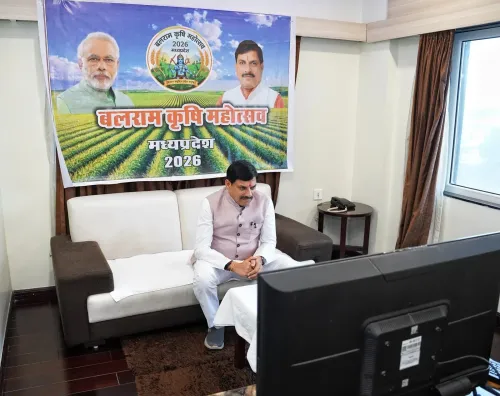
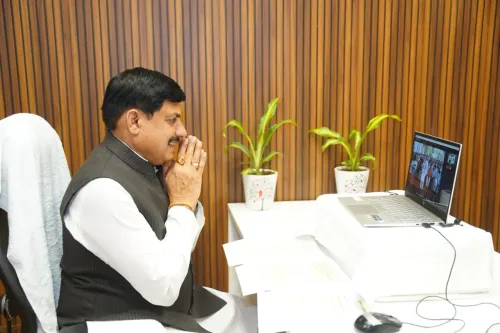
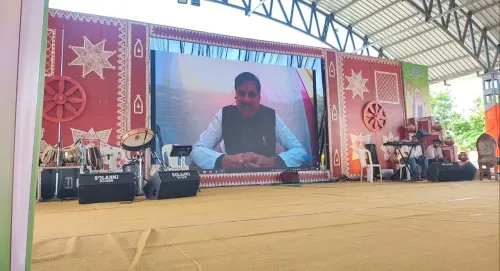
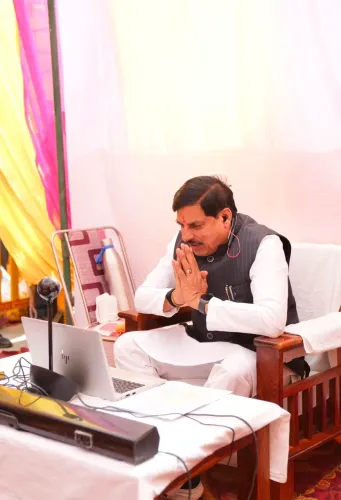
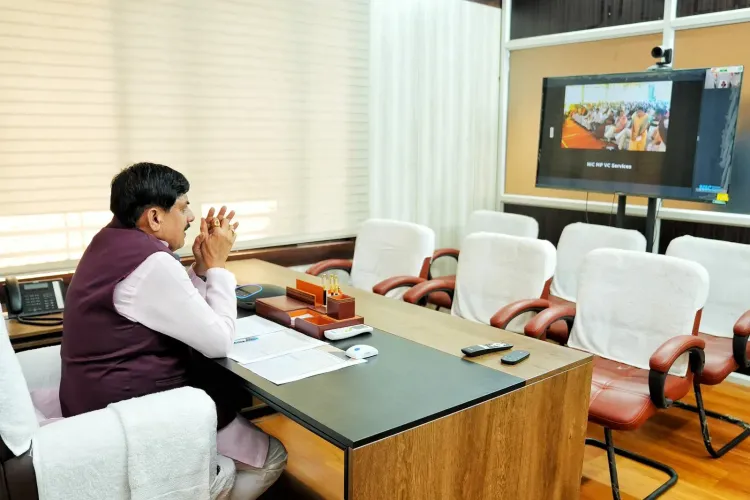
Mohan Yadav addressed farmers at Balram Krishi Mahotsav in Shahdol on 27 September 2026 via virtual participation.
Shahdol's turmeric is nationally popular; the state is now connecting its cultivation directly to processing units and market channels to boost farmer income.
The Banasagar and Bhanni micro-irrigation projects have strengthened irrigation infrastructure across the Shahdol region.
Madhya Pradesh's BJP government framed the outreach under its broader Krishak Kalyan Varsh 2026 programme, launched after the 2023 assembly elections .
The policy aim is to open new income pathways for rural families by adding value to local produce — forests, minerals, and agriculture — rather than exporting raw commodities.
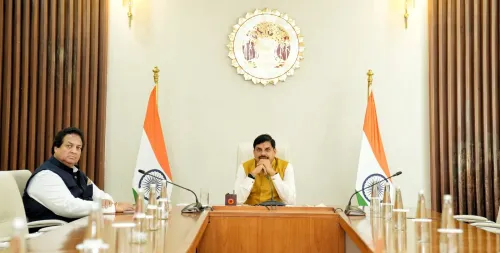
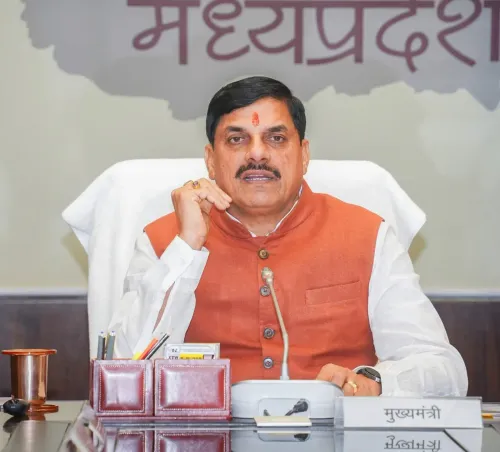
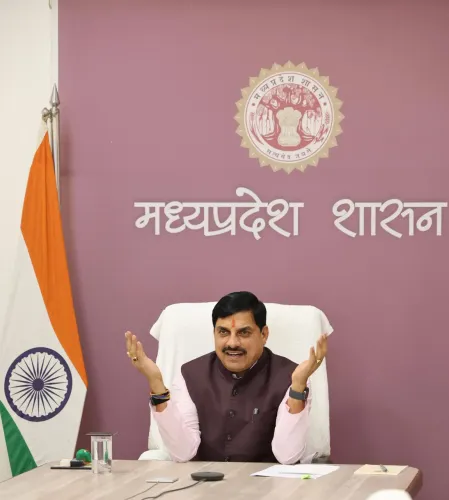
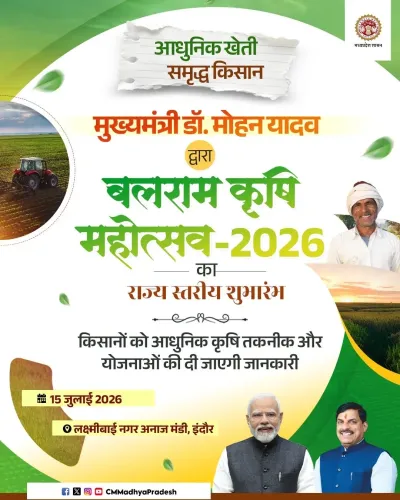
Shahdol's turmeric farmers got a direct line to the state's top office on Sunday, 27 September 2026, as Madhya Pradesh Chief Minister Dr. Mohan Yadav joined the Balram Krishi Mahotsav in Shahdol virtually under the government's year-long Krishak Kalyan Varsh 2026 programme, engaging directly with cultivators about raising rural incomes.
Shahdol's Golden Crop at the Heart of the Pitch
Shahdol district sits in eastern Madhya Pradesh, rich in forests, minerals, and agriculture — and the Chief Minister made a pointed case for its standout product. 'The high-quality turmeric of this region is popular across the country,' Dr. Yadav said, signalling that the state is now actively linking turmeric cultivation with processing units and market channels so growers can capture more of the value chain rather than selling raw produce at the farm gate.
This pivot matters. When a crop as commercially potent as turmeric stays unprocessed, farmers absorb price volatility and lose margin to intermediaries. Connecting growers directly to processors and buyers is the lever the state is pulling to change that equation in Shahdol.
Banasagar and Bhanni Projects Widen Irrigation Cover
Water is the foundation any crop push depends on, and Dr. Yadav pointed to two infrastructure anchors: the Banasagar and Bhanni micro-irrigation projects, both of which have expanded irrigation capacity across the region. The Banasagar project is a major water-resource initiative designed to deliver reliable irrigation to farming communities in this part of the state.
Together, the two projects form the backbone of a broader state push to bring eastern Madhya Pradesh's tribal and semi-tribal agricultural belts into stable, year-round cultivation. Without dependable water, value-chain ambitions stall at the first dry spell.
Krishak Kalyan Varsh 2026 as a Policy Frame
Madhya Pradesh's BJP government launched Krishak Kalyan Varsh 2026 — the Farmer Welfare Year — as an umbrella programme to accelerate agricultural outreach across the state following the 2023 assembly elections. The Balram Krishi Mahotsav in Shahdol is one of several events being held under this banner, each targeting a specific district's crop and infrastructure profile.
The Chief Minister's virtual participation keeps the programme's cadence without requiring him to be physically present at each district event — a format that lets the state government maintain momentum across Madhya Pradesh's 55 districts simultaneously. The model — festival-format outreach, crop-specific promises, irrigation milestone updates — has become a recognisable signature of the Yadav administration's farmer-engagement strategy.
What Rural Households in Shahdol Are Watching
For farming families in Shahdol, the promises translate into three concrete asks: processing infrastructure near their fields, reliable market linkages that don't require them to travel to distant mandis, and the irrigation water that makes a second or third crop cycle possible. The government's framing — 'new pathways of income for rural families' — names the goal. Delivery timelines on the Bhanni micro-irrigation project and the turmeric processing chain will be the real scorecard.
A region historically defined by its forest and mineral wealth is now being repositioned as an agricultural value-addition hub. Whether Shahdol's turmeric ends up in a packet on a national supermarket shelf — rather than a trader's warehouse at half the price — is the question this policy moment is built to answer.
Point of View
A model associated with higher and more stable rural incomes. The Banasagar irrigation citation reinforces the state's argument that infrastructure is already in place, shifting the political onus toward delivery of the processing and marketing promises. If the turmeric chain delivers measurable income gains before the next electoral cycle, it becomes a template the BJP can scale to other commodity-rich districts across the state.
NationPress
27 Sept 2026
Frequently Asked Questions
What is Krishak Kalyan Varsh 2026 in Madhya Pradesh?
Krishak Kalyan Varsh 2026 is the Madhya Pradesh government's year-long Farmer Welfare Year programme, under which district-level agricultural festivals like the Balram Krishi Mahotsav are held to engage farmers, announce policy initiatives, and highlight infrastructure achievements.
What is Balram Krishi Mahotsav?
Balram Krishi Mahotsav is an agricultural festival organised by the Madhya Pradesh government as part of its farmer outreach programme. The 27 September 2026 edition was held in Shahdol district, with CM Dr. Mohan Yadav participating virtually.
Why is Shahdol famous for turmeric?
Shahdol district in eastern Madhya Pradesh produces high-quality turmeric that is popular across India. The state government is now working to connect this turmeric cultivation with processing facilities and market linkages to improve farmer income.
What is the Banasagar project in Madhya Pradesh?
The Banasagar project is a major irrigation initiative in Madhya Pradesh designed to expand reliable water availability for farmers in the eastern districts. It has been cited alongside the Bhanni micro-irrigation project as key infrastructure strengthening agriculture in the Shahdol region.
How is CM Mohan Yadav helping farmers in Shahdol?
CM Dr. Mohan Yadav has highlighted plans to link Shahdol's turmeric growers with processing units and markets, supported by irrigation expansion through the Banasagar and Bhanni projects, with the goal of opening new income pathways for rural families in the district.