CM Mohan Yadav visits tribal belt on Sharad Purnima, backs de-addiction drive
Synopsis
On Sharad Purnima, CM Dr. Mohan Yadav stayed in Madhya Pradesh's tribal belt and publicly praised Shiv Panth Sampradaya's de-addiction work, calling for joint government-community effort to build a drug-free society.
Key Takeaways
Mohan Yadav spent Sharad Purnima in a tribal region of Madhya Pradesh on October 26, 2026 .
He praised the Shiv Panth Sampradaya for its community-based de-addiction work in tribal belts.
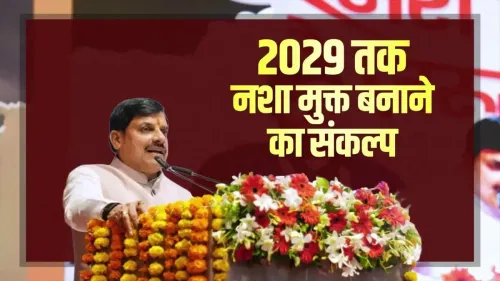
The CM stressed that both government and society must jointly participate in building a drug-free community.
The visit aligns with the national Nasha Mukt Bharat Abhiyan (launched 2020 ) and MP's pattern of engaging religious groups for welfare outreach.
Yadav has served as Chief Minister since December 2023 and regularly conducts festival-timed visits to tribal and rural areas.
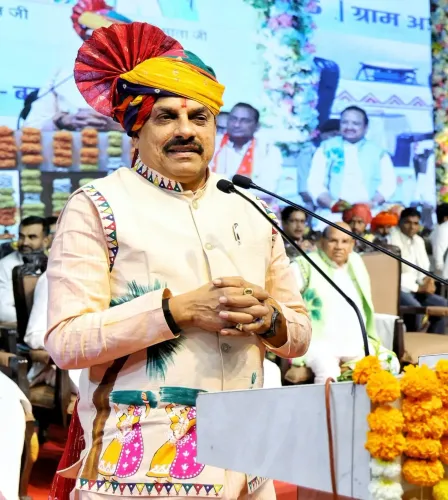
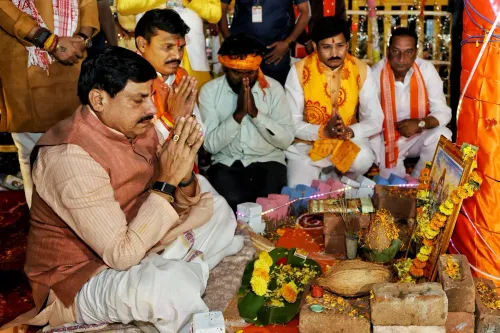
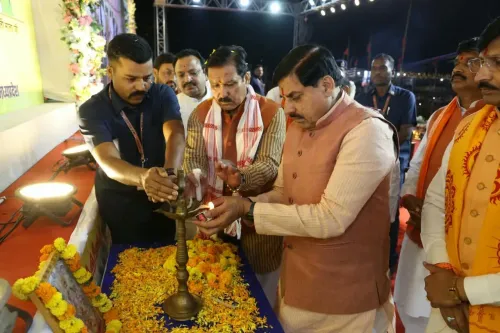
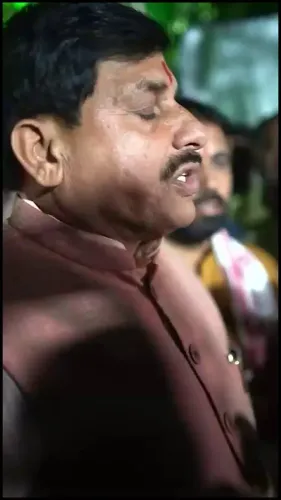
On the night of Sharad Purnima, Chief Minister Dr. Mohan Yadav chose to stay in a tribal region of Madhya Pradesh — a quiet signal of inclusive outreach that came paired with a pointed message on one of rural India's most persistent crises: substance abuse.
Posting on Monday, October 26, 2026, the Chief Minister's Office shared CM Yadav's words from the visit: 'Nasha mukt samaj ke nirman mein sarkar aur samaj, dono ki sahbhagita avashyak hai' — 'Building a drug-free society requires participation from both the government and the community.' He specifically praised the Shiv Panth Sampradaya, a religious sect active in tribal belts, for its de-addiction work, calling the efforts 'commendable' and urging that they continue without pause.
Shiv Panth Sampradaya's grassroots role in tribal districts
The Shiv Panth Sampradaya has carved out a quiet but recognised presence in Madhya Pradesh's tribal districts, running community-based programmes aimed at pulling residents away from addiction. The sect operates where state machinery often struggles to reach — through the trust of shared cultural and spiritual identity. CM Yadav's public endorsement from within the community, rather than from a government podium, amplifies that credibility.
Substance abuse in tribal regions across central India is a well-documented welfare challenge, often compounded by poverty, unemployment, and limited access to formal health services. Festival gatherings — like those on Sharad Purnima — have long been used by both civil society groups and state governments as natural moments to reinforce social messaging at scale.
Government-community partnership at the heart of the message
The framing CM Yadav chose is deliberate: neither the government alone nor civil society alone can solve this. That dual-responsibility model mirrors the architecture of the Nasha Mukt Bharat Abhiyan, the national de-addiction campaign launched in 2020, which explicitly called for community networks to complement official outreach. Madhya Pradesh governments have, over successive tenures, leaned on religious and cultural organisations to carry welfare messages into tribal constituencies where state reach is thin.
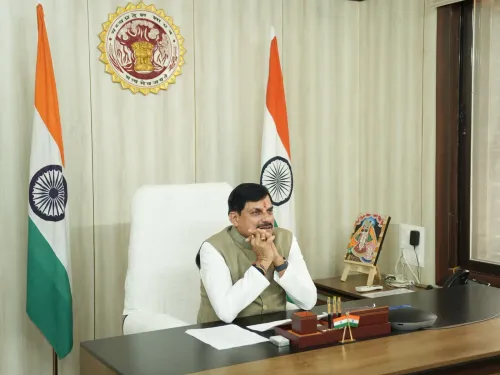
Dr. Yadav, who became Chief Minister in December 2023, has maintained a pattern of festival-timed visits to tribal and rural areas — a governance style that blends administrative signalling with cultural proximity. The Sharad Purnima stay fits squarely into that playbook.
With tribal welfare and addiction remaining live political and humanitarian issues in Madhya Pradesh, the question now is whether this endorsement translates into expanded state support — funding, infrastructure, or formal partnerships — for groups like Shiv Panth Sampradaya doing the daily work on the ground.
Point of View
Crediting both the state and civil society, is smart politics: it spreads ownership of outcomes while associating the government with grassroots success. For a Chief Minister who took office in late 2023, these repeated tribal outreach moments build a distinct brand of proximity governance that distinguishes his public profile. The real test, however, will be whether endorsements like this convert into sustained resource allocation for organisations doing the actual de-addiction work.
NationPress
26 Oct 2026
Frequently Asked Questions
Why did CM Mohan Yadav stay in a tribal area on Sharad Purnima 2026?
CM Dr. Mohan Yadav stayed in a tribal region of Madhya Pradesh on Sharad Purnima to engage with communities and praise the de-addiction work of the Shiv Panth Sampradaya, reinforcing his pattern of festival-timed outreach visits.
What is Shiv Panth Sampradaya's role in de-addiction in Madhya Pradesh?
Shiv Panth Sampradaya is a religious sect active in Madhya Pradesh's tribal belts that runs community-based programmes to combat substance abuse, operating through cultural and spiritual trust networks.
What is the Nasha Mukt Bharat Abhiyan?
Nasha Mukt Bharat Abhiyan is a national de-addiction campaign launched in 2020 that promotes a drug-free India through a combination of government action and community-level participation.
When did Dr. Mohan Yadav become Chief Minister of Madhya Pradesh?
Dr. Mohan Yadav became Chief Minister of Madhya Pradesh in December 2023.
What did CM Mohan Yadav say about building a drug-free society?
CM Yadav said that building a drug-free society requires participation from both the government and the community, and urged that de-addiction efforts by groups like Shiv Panth Sampradaya continue without interruption.