CM Mohan Yadav joins Barwani temple consecration virtually
Synopsis
Madhya Pradesh Chief Minister Dr. Mohan Yadav joined the consecration of Shri Khatu Shyam Mandir in Barwani and a 21-kundi mahayagya virtually from Bhopal on 1 July 2026, reaffirming the state government's commitment to developing pilgrimage circuits including Ram Van Gaman Path and Shri Krishna Pathey.
Key Takeaways
Mohan Yadav participated virtually from Bhopal in the pran pratishtha of Shri Khatu Shyam Mandir in Barwani district on 1 July 2026 .
The event included a 21-kundi mahayagya , a large-scale Vedic fire ritual.
The Chief Minister described pran pratishtha as 'an invocation of divine consciousness,' not merely idol installation.
The state government cited ongoing work on the Ram Van Gaman Path and Shri Krishna Pathey pilgrimage circuits as part of its cultural heritage agenda.
Barwani is a tribal-majority district in western Madhya Pradesh with emerging religious tourism potential.
The engagement follows a broader BJP -governed-state pattern of linking faith-based heritage projects with development and tourism goals.
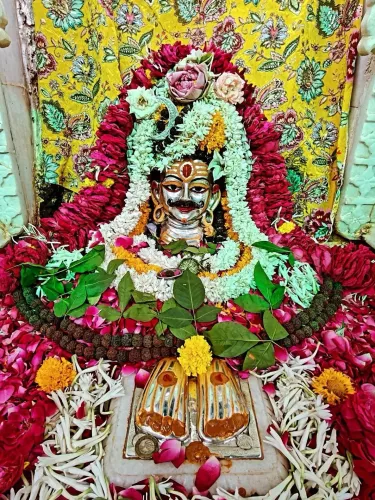
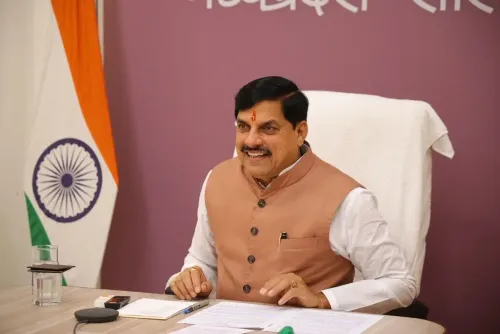
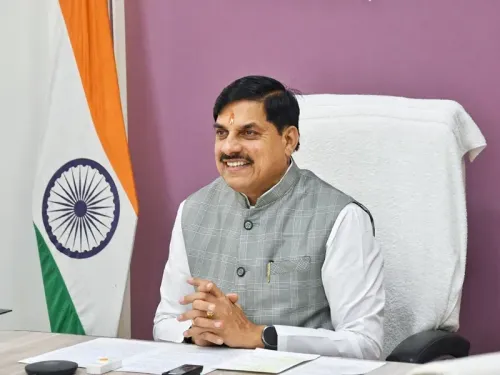
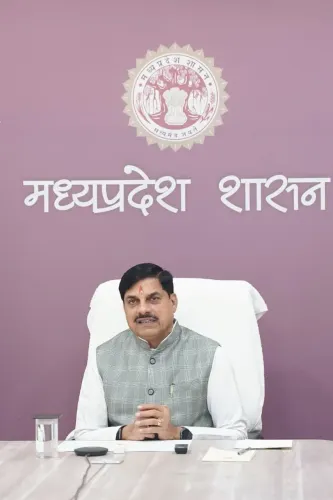
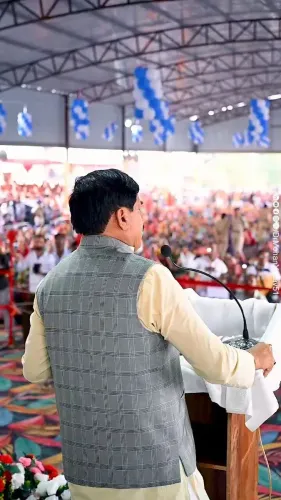
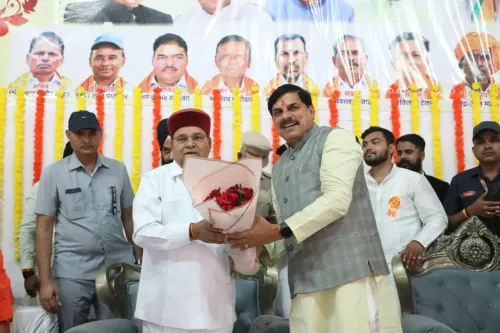
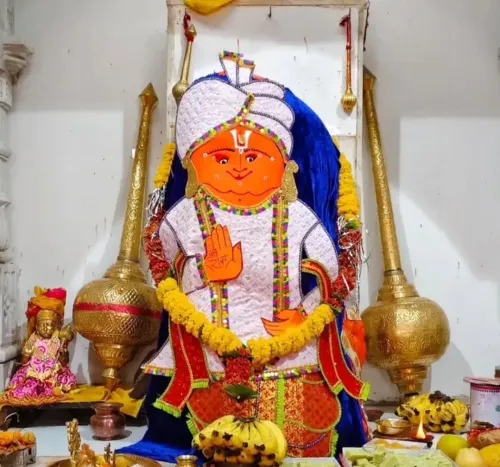
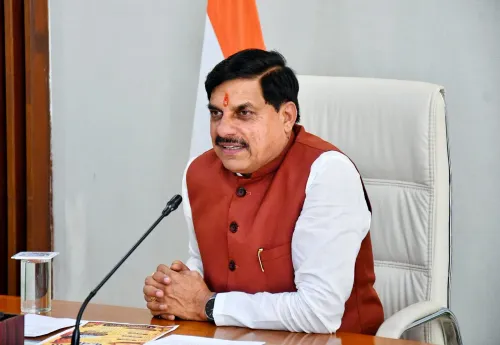
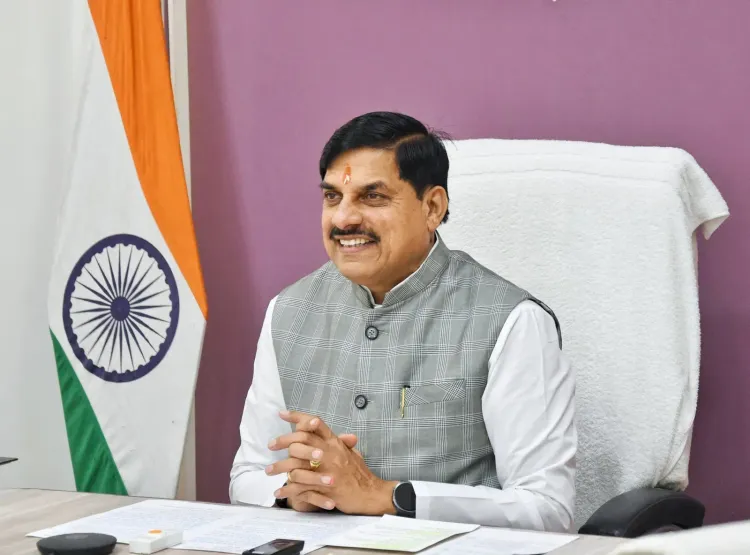
Madhya Pradesh Chief Minister Dr. Mohan Yadav virtually participated on Wednesday, 1 July 2026, from his Bhopal residence in the consecration ceremony (pran pratishtha) of the Shri Khatu Shyam Mandir in Barwani district, which also featured a 21-kundi mahayagya — a grand Vedic fire ritual conducted across 21 sacred fire pits.
Context
In his post, Dr. Yadav described the occasion as a privilege, noting the presence of revered saint Mahant Shri Shashigiri Ji Maharaj. He explained that a pran pratishtha — the ritual consecration of a deity's idol — is not merely the installation of a statue but 'an invocation of divine consciousness and a centre of cultural refinement.' The Chief Minister extended his greetings to all devotees on the occasion.
The ceremony in Barwani, a district in western Madhya Pradesh with a significant tribal population and several emerging religious sites, drew virtual participation from the state's top executive, underlining the administration's engagement with grassroots faith communities.
Policy Backdrop
The post explicitly reaffirmed the state government's commitment to preserving cultural heritage and centres of faith across Madhya Pradesh. Dr. Yadav cited two flagship projects — the Shri Krishna Pathey pilgrimage circuit and the Ram Van Gaman Path — as examples of ongoing development work at religious sites.
The Ram Van Gaman Path is a state-supported circuit tracing locations associated with Lord Rama's exile journey. It follows a well-established policy lineage: the previous state government completed a phased redevelopment of the Mahakaleshwar temple corridor in Ujjain by 2022, and the central government's PRASAD scheme, launched in 2014–15, has channelled infrastructure funds to identified pilgrimage destinations including sites in Madhya Pradesh.
Stakeholders and Impact
Pilgrims, local residents of Barwani, and religious tourism operators stand to benefit from the state's sustained focus on developing faith-based infrastructure. The virtual participation of the Chief Minister in a district-level temple consecration signals that smaller towns and tribal-majority areas are being brought within the ambit of the government's cultural heritage agenda.
BJP-governed states have consistently prioritised the restoration and promotion of Hindu religious sites as an integral part of both cultural policy and tourism growth. Madhya Pradesh's approach — linking faith-based heritage projects with state development goals — reflects this broader pattern, with successive administrations treating pilgrimage circuits as economic and cultural assets.
What's Next
Attention will now turn to state budget allocations and tender announcements for the next phases of the Ram Van Gaman Path and Shri Krishna Pathey projects. Tourism department data on visitor footfall at newly developed religious sites will serve as a key metric for assessing whether these investments are translating into tangible economic returns for local communities in districts like Barwani.
Point of View
The administration is stitching together a coherent narrative of faith-based development that serves both devotional and electoral audiences. This sits within a well-documented BJP state-government playbook of treating pilgrimage infrastructure as a development category, following the Ujjain Mahakaleshwar corridor's success as a template. The broader signal is that cultural heritage investment is not slowing down under Dr. Yadav — if anything, it is being extended to smaller, tribal-majority districts previously outside such focus.
NationPress
30 Sept 2026
Frequently Asked Questions
What is the Shri Khatu Shyam Mandir in Barwani?
The Shri Khatu Shyam Mandir in Barwani, Madhya Pradesh, underwent a formal consecration ceremony ( pran pratishtha ) on 1 July 2026, accompanied by a 21-kundi mahayagya. Khatu Shyam is a popular deity worshipped widely across North and Central India as a form of Shyam, associated with devotion and mercy.
What is a pran pratishtha ceremony?
A pran pratishtha is a Hindu ritual that consecrates a deity's idol by invoking divine consciousness into it, effectively making the idol a living presence worthy of worship. It is considered distinct from a mere installation of a statue, as CM Dr. Mohan Yadav also noted in his post.
What is the Ram Van Gaman Path in Madhya Pradesh?
The Ram Van Gaman Path is a state-supported pilgrimage circuit in Madhya Pradesh that traces sites associated with Lord Rama's journey during his exile. The Madhya Pradesh government has been developing this circuit as part of its religious tourism and cultural heritage agenda.
What is the Shri Krishna Pathey project?
Shri Krishna Pathey is a Madhya Pradesh government initiative to develop and connect religious and cultural sites associated with Lord Krishna across the state, forming a dedicated pilgrimage and tourism circuit alongside projects like Ram Van Gaman Path.
How is the Madhya Pradesh government supporting religious heritage sites?
The Madhya Pradesh government has undertaken several projects including the Ram Van Gaman Path, Shri Krishna Pathey, and the earlier Mahakaleshwar temple corridor redevelopment in Ujjain. These efforts are also supported by the central government's PRASAD scheme, which funds pilgrimage infrastructure across identified sites in India.