CM Mohan Yadav Seeks Mata Harsiddhi's Blessings for MP
Synopsis
Madhya Pradesh Chief Minister Dr. Mohan Yadav on June 14, 2026, offered a public prayer to Mata Harsiddhi of Rangir, Sagar district, seeking the deity's blessings of happiness, prosperity, and good health for all residents of the state.
Key Takeaways
Madhya Pradesh Chief Minister Dr.
Mohan Yadav posted a devotional message on June 14, 2026 , invoking Mata Harsiddhi .
The deity is enshrined at Rangir village, Sagar district , and is a form of Goddess Durga revered across the state.
The Chief Minister wished all Madhya Pradesh residents happiness, prosperity, and good health.
The post is consistent with BJP leaders' practice of blending devotional expression with public communication in Hindi-belt states.
Madhya Pradesh is home to multiple Shakti temples that form part of the state's cultural and heritage identity.
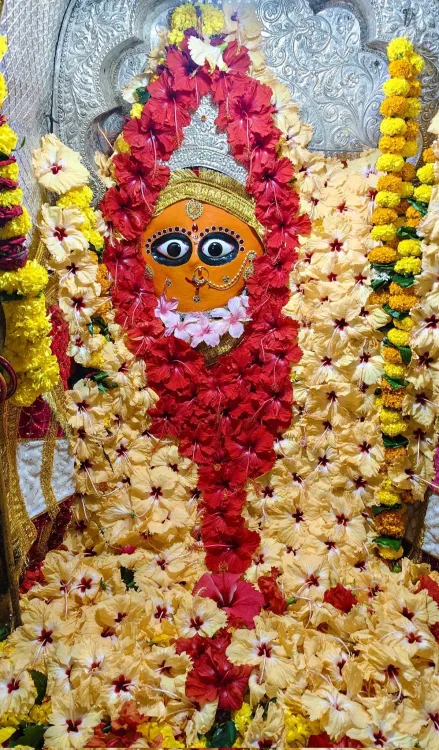
Madhya Pradesh Chief Minister Dr. Mohan Yadav on Sunday, June 14, 2026, invoked the blessings of Mata Harsiddhi — a revered form of Goddess Durga enshrined at Rangir village in Sagar district — expressing his wish that the deity's grace bring happiness, prosperity, and good health to all residents of the state.
Context
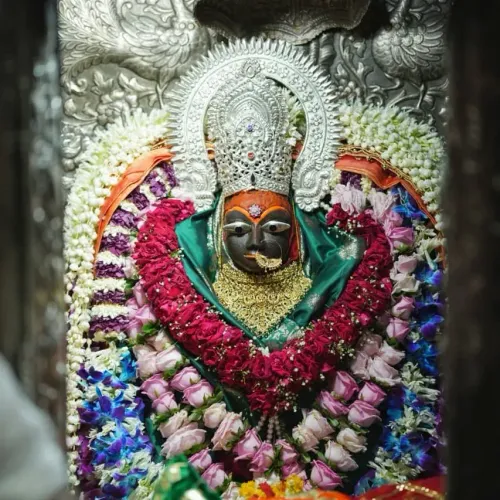
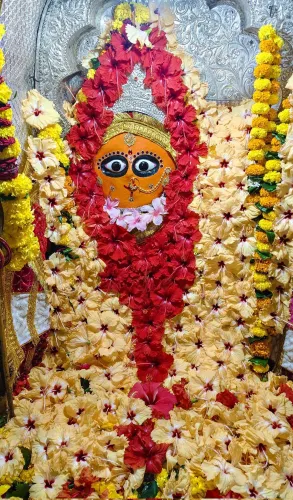
In the post, the Chief Minister opened with the devotional mantra 'ॐ ऐं ह्रीं क्लीं हरसिद्धि देव्यै नमः' ('Om, salutations to Goddess Harsiddhi'), before offering a prayer: 'May the grace of Mata Harsiddhi, who resides at Rangir in Sagar district, remain upon all the people of the state; may everyone's life be filled with happiness, prosperity, and good health — this is my wish.' The message was shared alongside an image of the deity.
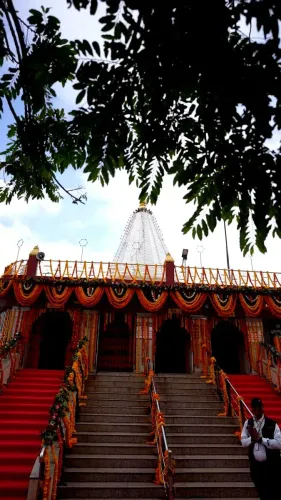
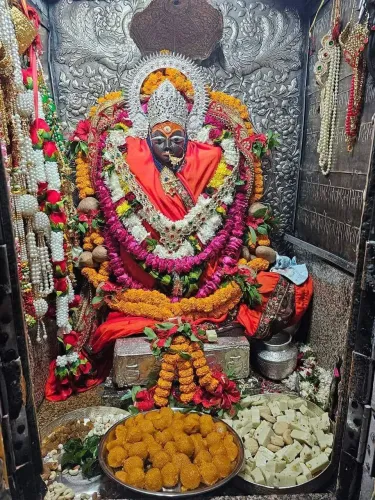
Mata Harsiddhi is worshipped as a powerful Shakti deity. The temple at Rangir, Sagar district draws devotees from across Madhya Pradesh and is one of several Shakti shrines that hold cultural significance in the state's religious landscape.
Policy Backdrop
Madhya Pradesh, governed by the BJP, has consistently positioned the promotion of religious and cultural heritage as a pillar of its governance identity. The state is home to numerous Shakti temples, and successive governments have sought to integrate these sites into broader heritage and tourism frameworks.
Dr. Mohan Yadav, who assumed office as Chief Minister in December 2023, has maintained a pattern of regular devotional posts on social media, invoking Hindu deities and weaving religious symbolism into his public communication. This approach is characteristic of BJP leadership across Hindi-belt states, where blending governance messaging with cultural and spiritual expression is a common practice.
Stakeholders and Impact
The message is directed at the broad constituency of Madhya Pradesh's residents — particularly devotees of Mata Harsiddhi and the wider community of Shakti worshippers in the state. For the people of Sagar district, the Chief Minister's public invocation of their local deity carries symbolic weight, affirming the shrine's place in the state's cultural consciousness.
Such posts also serve to reinforce the connection between elected leadership and grassroots religious sentiment, a dynamic that holds particular resonance in rural and semi-urban communities where temple traditions remain central to daily life.
What's Next
Observers will watch whether the state's tourism or culture departments follow up with announcements related to infrastructure or facilities at the Rangir temple or other Shakti shrines in Sagar district. With the Navratri festival cycle being a key occasion for Shakti worship, ministerial participation at regional shrines across Madhya Pradesh is also a recurring feature of the state's public calendar. The Chief Minister's post underscores the continued role of religious outreach as an integral thread in Madhya Pradesh's political and cultural fabric.
Point of View
The post also functions as a subtle nod to a localised religious identity, signalling attentiveness to regional sentiment beyond the state's more prominent pilgrimage centres. This pattern of governance-meets-devotion communication has deepened under Yadav's tenure since December 2023, and is likely to intensify around festival cycles such as Navratri. It reflects a broader political strategy in which cultural symbolism and administrative identity are treated as mutually reinforcing, rather than separate, domains.
NationPress
13 Sept 2026
Frequently Asked Questions
Who is Mata Harsiddhi of Rangir, Sagar district?
Mata Harsiddhi is a revered form of Goddess Durga worshipped at a temple in Rangir village, Sagar district, Madhya Pradesh. The shrine draws devotees from across the state and is considered a significant Shakti seat in the region.
What did CM Mohan Yadav post about Mata Harsiddhi?
On June 14, 2026, Chief Minister Dr. Mohan Yadav posted a devotional message invoking Mata Harsiddhi and praying that the deity's grace bring happiness, prosperity, and good health to all residents of Madhya Pradesh.
Where is the Harsiddhi Devi temple in Madhya Pradesh?
The Harsiddhi Devi temple is located at Rangir village in Sagar district, which is situated in central Madhya Pradesh.
Why do BJP leaders frequently post devotional messages on social media?
BJP leaders in Hindi-belt states regularly share devotional messages invoking Hindu deities as part of a broader public communication strategy that blends cultural and religious symbolism with governance identity, reinforcing their connection with the electorate.
What is the significance of Shakti temples in Madhya Pradesh?
Madhya Pradesh is home to several Shakti temples that hold deep religious and cultural importance. The state government has promoted these sites as part of its heritage and religious tourism initiatives.