CM Mohan Yadav Invokes Chintaman Ganesh, Ujjain
Synopsis
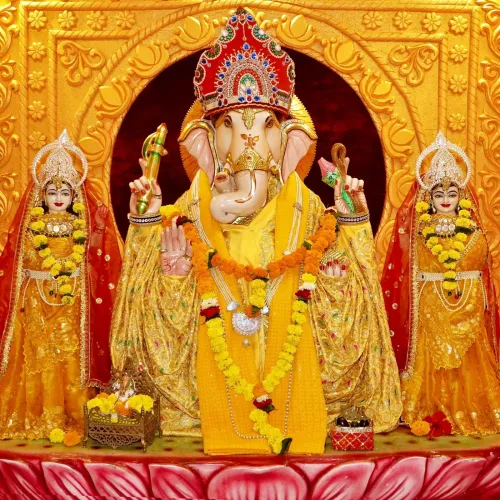
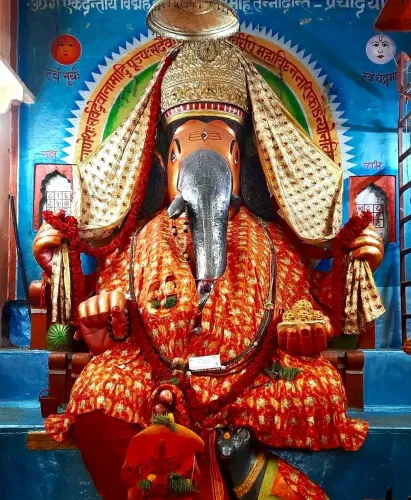
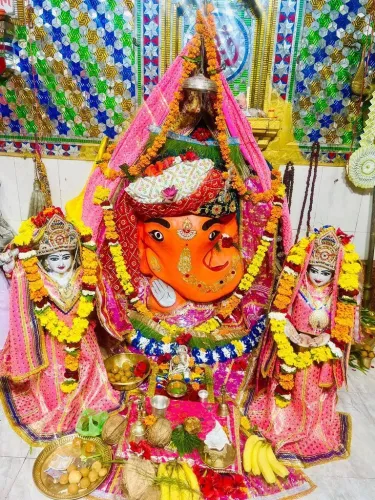
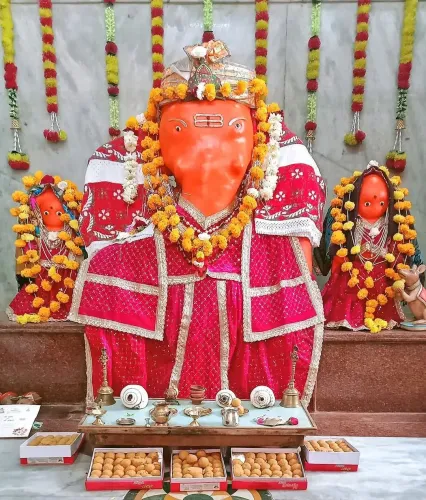
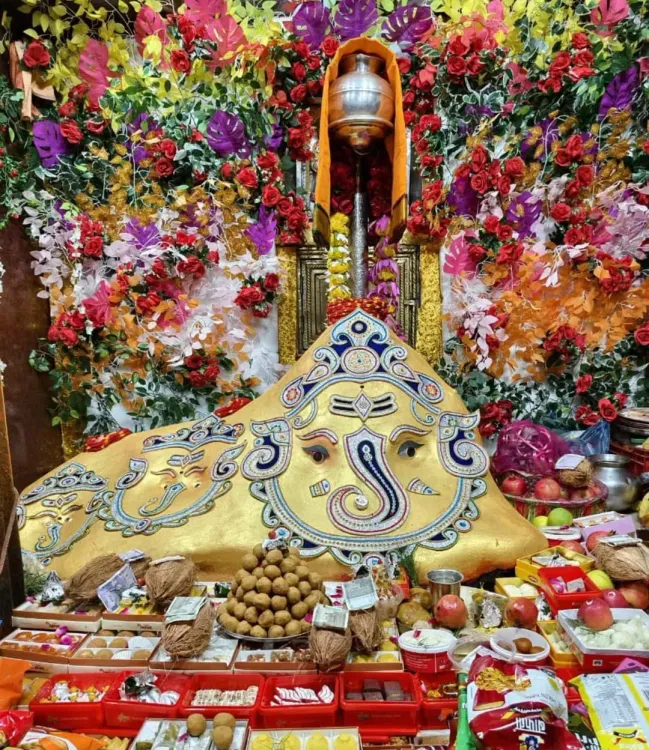
Madhya Pradesh Chief Minister Dr. Mohan Yadav invoked Lord Ganesha at Ujjain's ancient Chintaman Ganesh Temple on 27 May 2026, sharing a Sanskrit shloka and a folded-hands prayer for happiness, prosperity, and glory for all citizens.
Key Takeaways
Mohan Yadav , Chief Minister of Madhya Pradesh , posted a devotional message on 27 May 2026 invoking Lord Ganesha .
The post features a classical Sanskrit verse praising Ganesha as Vignaharta (remover of obstacles) and Mangalkarta (harbinger of auspiciousness).
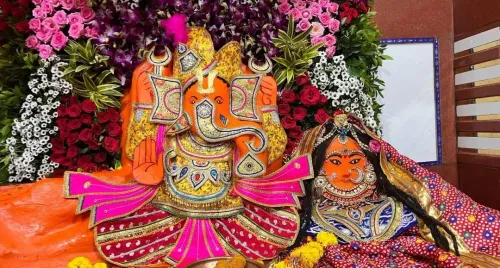
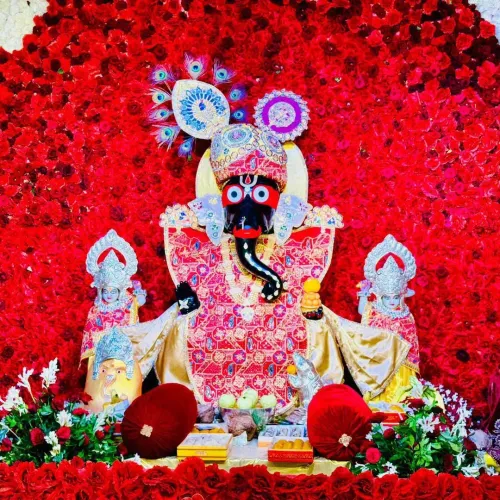
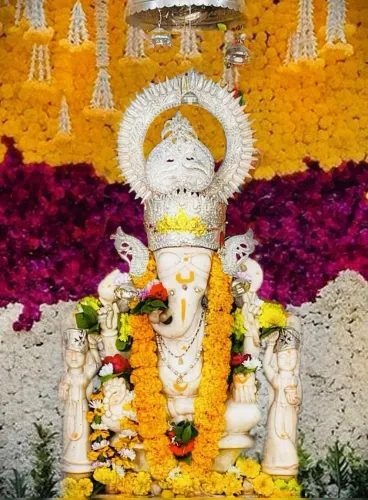
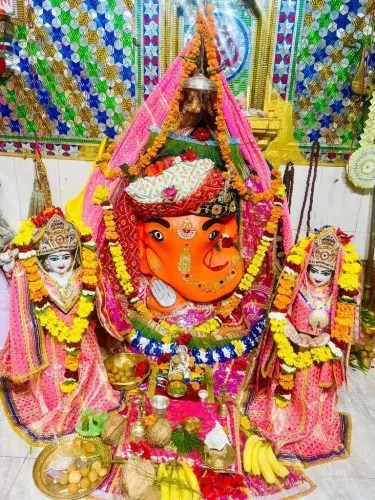
The deity invoked is enshrined at Chintaman Ganesh Temple , an ancient shrine on the banks of the Shipra river in Ujjain .
Ujjain is one of India's seven sacred Sapta Puri cities and a key pilgrimage destination in Madhya Pradesh .
The Chief Minister's prayer sought 'happiness, prosperity, and grandeur' ( sukh, samriddhi evam vaibhav ) for all people.
Such public invocations are part of a broader pattern of Madhya Pradesh leadership highlighting Ujjain 's temple heritage to promote religious tourism.
Madhya Pradesh Chief Minister Dr. Mohan Yadav on Wednesday, 27 May 2026, shared a Sanskrit shloka and a devotional message invoking Lord Ganesha at the Chintaman Ganesh Temple in Ujjain, praying for happiness, prosperity, and glory for all.
Context
The Chief Minister's post opens with a classical Sanskrit verse: 'Namami devam sakalarthadam tam suvarna varnam bhujagopavitam, Gajananam bhaskaramekadantam lambodaram varibhavasanam cha' — loosely translated as 'I bow to the divine Lord who fulfils all purposes, golden in hue, adorned with a serpent thread, elephant-faced, radiant as the sun, single-tusked, large-bellied, seated upon water.' The verse is a traditional hymn of praise to Lord Ganesha, revered across Hindu traditions as Vignaharta (remover of obstacles) and Mangalkarta (harbinger of auspiciousness).
In the accompanying message, Dr. Yadav offered a 'folded-hands prayer' (karbaddha prarthana) that the blessings of the deity enshrined at Chintaman Ganesh Temple, Ujjain, bring light of happiness, prosperity, and grandeur into everyone's life.
Policy Backdrop
The Chintaman Ganesh Temple stands on the banks of the Shipra river in Ujjain, one of India's seven sacred Sapta Puri cities and a major pilgrimage hub in Madhya Pradesh. The temple is regarded as one of the oldest Ganesha shrines in the country, drawing devotees who seek relief from obstacles and anxieties — the deity's name 'Chintaman' itself means 'one who removes worries.'
Ujjain is also home to the Mahakaleshwar Jyotirlinga, and the Madhya Pradesh government has consistently invested in upgrading the city's temple infrastructure and pilgrim facilities as part of its religious tourism drive. Public invocations of Ujjain's temple heritage by state leadership are a recurring feature of the government's cultural communication strategy.
Stakeholders and Impact
The message is directed at the broad base of Hindu devotees and residents of Madhya Pradesh, particularly those with a connection to Ujjain's pilgrimage circuit. Such social-media outreach by state leaders reinforces the cultural identity of the region and signals continued governmental attention to religious sites.
For the Ujjain tourism ecosystem — including priests, hoteliers, transport operators, and local traders — visibility generated by senior political figures on national platforms sustains pilgrim footfall and public interest in the city's temple cluster.
What's Next
Observers of Madhya Pradesh's religious tourism policy will watch for any follow-up announcements from the state tourism department regarding infrastructure upgrades or special arrangements at Ujjain's temples. With Ganesh Chaturthi festivities and pilgrim seasons drawing large crowds to the city annually, the Chief Minister's renewed public focus on Chintaman Ganesh Temple may presage official programming around the shrine.
Point of View
Historically resonant shrine in Ujjain rather than a generic festival wish, the post reinforces the government's positioning of the city as a living centre of Sanatan heritage. This approach complements the state's ongoing investment in Ujjain's religious tourism infrastructure, particularly the Mahakaleshwar corridor, signalling that cultural diplomacy and tourism policy are increasingly intertwined in the state's governance narrative. For voters in the Hindi heartland, such messaging serves as a consistent reminder of the administration's alignment with religious tradition.
NationPress
10 Oct 2026
Frequently Asked Questions
What is the Chintaman Ganesh Temple in Ujjain?
The Chintaman Ganesh Temple is one of the oldest Ganesha shrines in India, located on the banks of the Shipra river in Ujjain, Madhya Pradesh. The name 'Chintaman' means 'one who removes worries,' and the temple is a major pilgrimage site for devotees seeking relief from obstacles.
What did MP CM Mohan Yadav post about Ujjain?
On 27 May 2026, Chief Minister Dr. Mohan Yadav shared a Sanskrit shloka praising Lord Ganesha and offered a prayer that the blessings of the deity at Chintaman Ganesh Temple, Ujjain, bring happiness, prosperity, and grandeur to all.
What does Vignaharta and Mangalkarta mean?
'Vignaharta' means 'remover of obstacles' and 'Mangalkarta' means 'harbinger of auspiciousness.' Both are epithets for Lord Ganesha, widely used in Hindu devotional tradition.
Why is Ujjain important for Hindu pilgrimage?
Ujjain is one of India's seven sacred Sapta Puri cities and is home to the Mahakaleshwar Jyotirlinga as well as the Chintaman Ganesh Temple. It is a major destination for Hindu pilgrims from across the country.
What is the Sanskrit shloka shared by CM Mohan Yadav?
The shloka begins 'Namami devam sakalarthadam tam' and is a classical hymn praising Lord Ganesha as golden-hued, elephant-faced, single-tusked, and large-bellied — a deity who fulfils all purposes and removes all obstacles.