CM Yogi Offers Prayers at Prayagraj's Lete Hanuman Temple
Synopsis
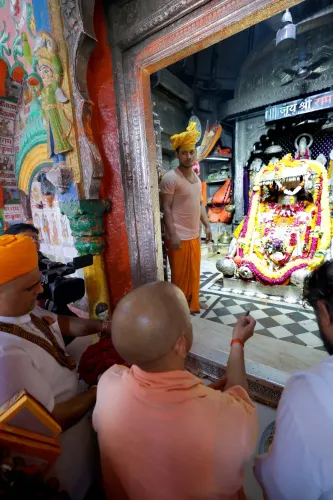
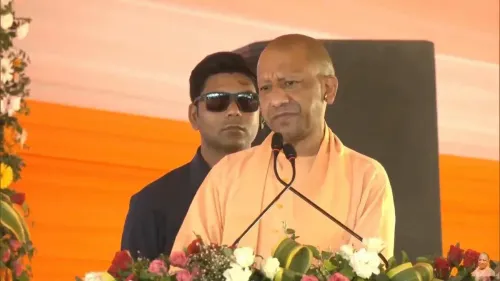
Chief Minister Yogi Adityanath visited the Lete Hue Hanuman Ji temple at Prayagraj's Triveni Sangam on 26 May 2026, performing prayers with full religious rites and seeking happiness, prosperity, and welfare for the people of Uttar Pradesh.
Key Takeaways
CM Yogi Adityanath offered prayers at the Lete Hue Hanuman Ji temple on the Sangam bank in Prayagraj on 26 May 2026 .
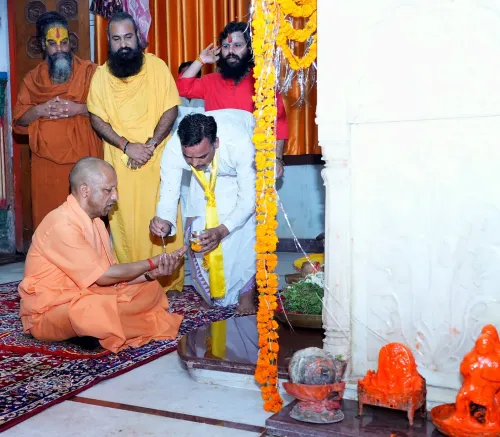
The Chief Minister performed rituals with full religious rites ( vidhi-vidhaan ) and prayed for the well-being and prosperity of Uttar Pradesh residents.
The Chief Minister's Office of Uttar Pradesh shared the visit on X with a traditional Sanskrit shloka invoking Lord Hanuman.
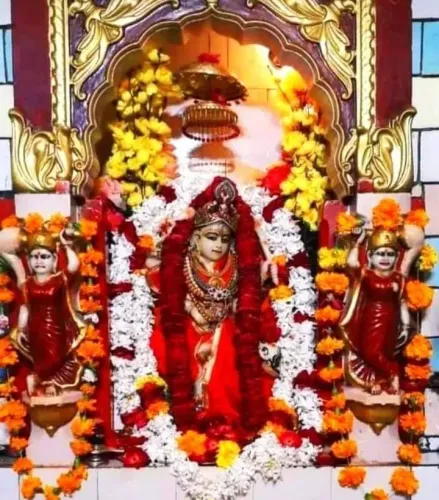
The Lete Hue Hanuman Ji temple is located at the sacred Triveni Sangam , one of Hinduism's most revered pilgrimage sites.
Public temple visits by CM Yogi are a recurring feature of governance communication in Uttar Pradesh , combining personal faith with state welfare messaging.
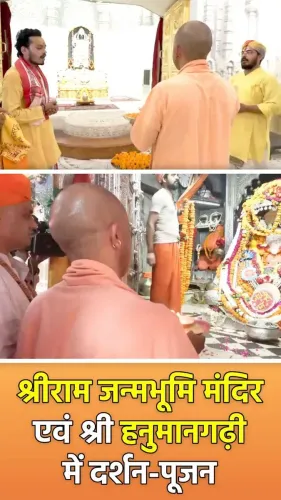
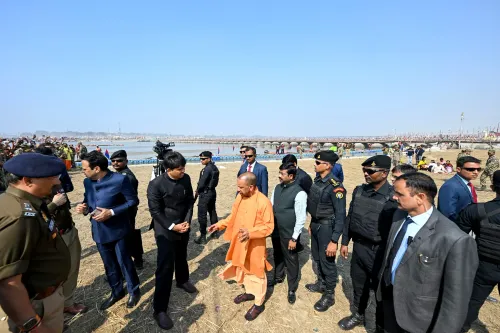
Chief Minister Yogi Adityanath, on Tuesday, 26 May 2026, offered prayers at the revered Lete Hue Hanuman Ji temple situated on the sacred Sangam bank in Prayagraj, seeking the well-being and prosperity of the people of Uttar Pradesh. The Chief Minister's Office of Uttar Pradesh shared the visit on X, posting a Sanskrit shloka dedicated to Lord Hanuman alongside the announcement.
The post began with the Sanskrit invocation: 'मनोजवं मारुततुल्यवेगं जितेन्द्रियं बुद्धिमतां वरिष्ठं' — 'He who is swift as the mind, equal in speed to the wind, master of the senses, foremost among the wise' — a traditional prayer seeking refuge in Lord Hanuman as the messenger of Shri Ram. The Chief Minister performed the rituals with full religious rites (vidhi-vidhaan) and prayed for sukh-samridhi evam jankalayn — 'happiness, prosperity and public welfare' — for the residents of the state.
Context
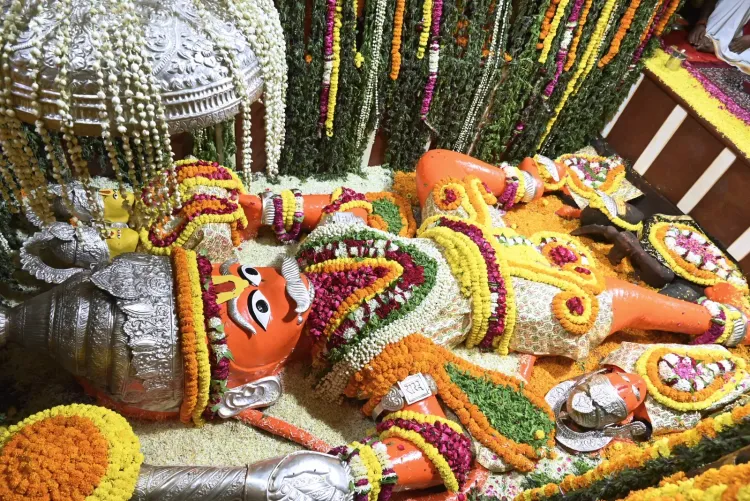
The Lete Hue Hanuman Ji temple at the Triveni Sangam in Prayagraj is one of the most distinctive Hanuman shrines in India, notable for its reclining idol of Lord Hanuman. The temple sits at the confluence of the Ganga, Yamuna, and the mythical Saraswati rivers, making it one of the holiest sites in the Hindu religious calendar. Visits to this temple by senior political figures are widely reported and carry significant symbolic weight among devotees across the state.
Policy Backdrop
Since assuming office in 2017, CM Yogi Adityanath has consistently woven public religious observance into his administrative outreach, presenting temple visits as expressions of both personal faith and state welfare priorities. The Uttar Pradesh government invested heavily in the infrastructure surrounding Prayagraj's ghats, roads, and temple precincts ahead of the 2019 Kumbh Mela, positioning the city as a flagship destination for religious tourism. Successive state budgets have allocated funds toward the restoration and development of prominent Hindu pilgrimage sites across Uttar Pradesh.
Public rituals at major tirthas (pilgrimage centres) by the Chief Minister have become a recurring feature of governance communication in the state, reflecting a broader pattern of combining administrative messaging with cultural and religious symbolism.
Stakeholders and Impact
The visit is directly significant for Hindu devotees and the residents of Uttar Pradesh, who constitute the primary audience for such gestures of public piety by the Chief Minister. Religious tourism around Prayagraj supports a large ecosystem of priests, boat operators, small traders, and hospitality businesses at the Sangam. Symbolic visits by senior leaders also reinforce the cultural identity of Prayagraj as a spiritual capital of Uttar Pradesh.
What's Next
With Prayagraj continuing to serve as a focal point of the state government's religious tourism agenda, further infrastructure announcements and high-profile visits to prominent temples across Uttar Pradesh are likely in the months ahead. The Chief Minister's sustained engagement with major Hindu pilgrimage sites signals that cultural diplomacy and religious outreach will remain central to the state's public communication strategy.
Point of View
Blurring the line between personal piety and state communication. Such visits reinforce Prayagraj's positioning as the spiritual centrepiece of the BJP's cultural governance agenda in the state. By invoking public welfare alongside the religious ritual, the Chief Minister's Office frames temple visits not merely as personal acts of faith but as acts of governance — a messaging strategy that resonates strongly with the state's large devotee base. This approach has proven durable across multiple election cycles, suggesting it will remain a fixture of political communication in Uttar Pradesh.
NationPress
19 Sept 2026
Frequently Asked Questions
Which temple did CM Yogi Adityanath visit in Prayagraj?
CM Yogi Adityanath visited the Lete Hue Hanuman Ji temple, located on the Sangam bank at the Triveni Sangam in Prayagraj, on 26 May 2026.
What is the Lete Hue Hanuman Ji temple in Prayagraj?
The Lete Hue Hanuman Ji temple is a famous Hanuman shrine at the Triveni Sangam in Prayagraj, known for its reclining idol of Lord Hanuman. It is one of the most visited religious sites in Uttar Pradesh.
What did CM Yogi pray for at the Hanuman temple?
CM Yogi Adityanath prayed for the happiness, prosperity, and welfare of the residents of Uttar Pradesh during his visit to the Lete Hue Hanuman Ji temple on 26 May 2026.
Why does CM Yogi Adityanath visit temples frequently?
CM Yogi Adityanath, a Hindu monk before entering politics, has consistently combined public religious observance with governance outreach since becoming Chief Minister of Uttar Pradesh in 2017, presenting temple visits as expressions of both personal faith and state welfare priorities.
Where is the Triveni Sangam in Prayagraj?
The Triveni Sangam is the confluence of the Ganga, Yamuna, and the mythical Saraswati rivers in Prayagraj, Uttar Pradesh. It is one of Hinduism's holiest sites and hosts the Kumbh Mela.