CM Yogi Offers Prayers at Ram Temple, Hanumangarhi in Ayodhya
Synopsis
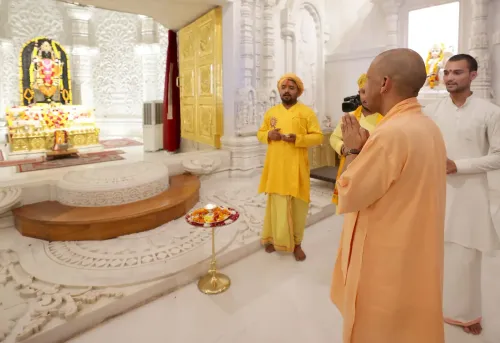
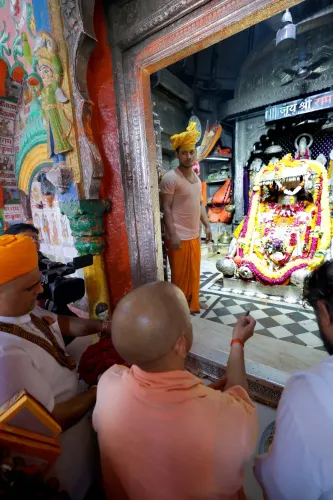
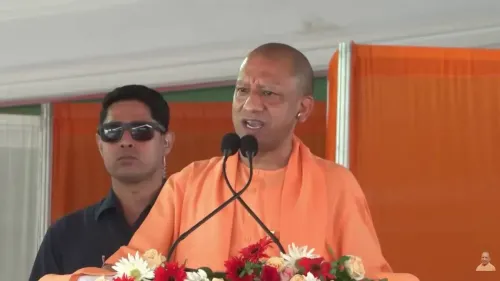
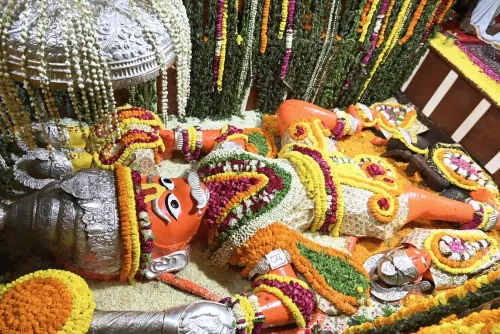
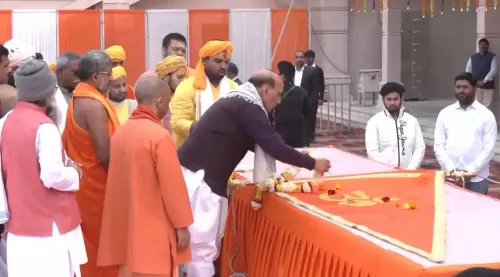
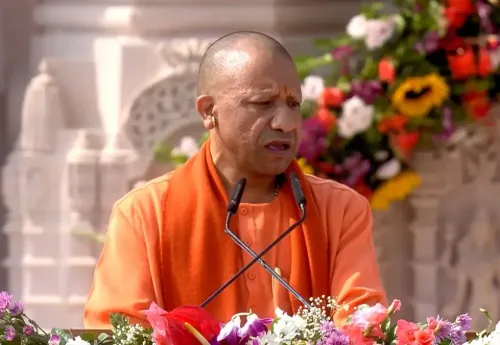
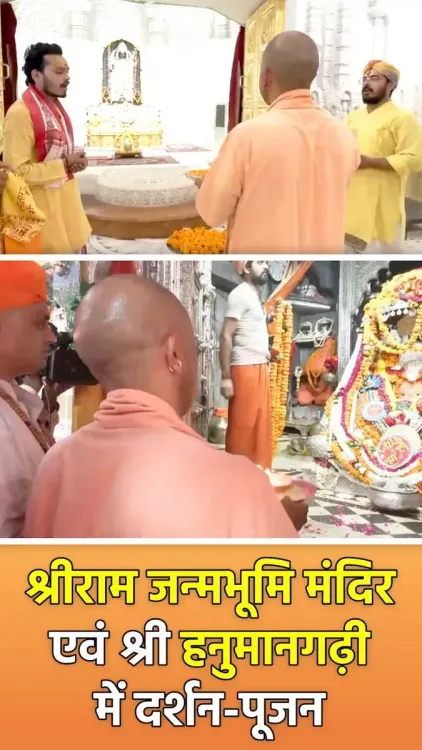
Chief Minister Yogi Adityanath visited Shri Ayodhya Dham on 19 June 2026, offering prayers at the Ram Janmabhoomi Temple and Hanumangarhi, praying for the happiness, prosperity, and welfare of Uttar Pradesh's residents, the Chief Minister's Office confirmed.
Key Takeaways
CM Yogi Adityanath visited Shri Ayodhya Dham on 19 June 2026 for religious worship.
He offered prayers at both the Shri Ram Janmabhoomi Temple and Shri Hanumangarhi .
The stated purpose was to seek the happiness, prosperity, and welfare of Uttar Pradesh residents.
The Ram Janmabhoomi Temple was consecrated on 22 January 2024 following the Supreme Court's 2019 verdict .
Ayodhya has been developed as a major religious tourism hub under the UP government .
Chief Minister Yogi Adityanath visited Shri Ayodhya Dham on Friday, 19 June 2026, offering prayers at the Shri Ram Janmabhoomi Temple and Shri Hanumangarhi, seeking the happiness, prosperity, and welfare of the people of Uttar Pradesh, according to a post by the Chief Minister's Office of Uttar Pradesh.
Context
The Chief Minister's Office shared that CM Yogi Adityanath performed darshan-poojan (ritual worship and viewing of the deity) at both shrines, with the stated intention of praying for 'pradeshvasiyon ke sukh, samridhi evam kalyan' — the happiness, prosperity, and welfare of the residents of the state. The visit was accompanied by a video shared on the official account.
Ayodhya, located in Uttar Pradesh, is one of India's most revered pilgrimage cities and holds special significance as the birthplace of Lord Ram according to Hindu tradition. The Shri Ram Janmabhoomi Temple and the centuries-old Hanumangarhi shrine are among its most prominent religious sites, drawing millions of pilgrims each year.
Policy Backdrop
The Shri Ram Janmabhoomi Temple was constructed following the Supreme Court's landmark verdict in November 2019, which resolved the decades-long Ram Janmabhoomi-Babri Masjid title dispute and cleared the path for temple construction at the site. The temple's consecration ceremony — known as pran pratishtha — was performed on 22 January 2024, attended by Prime Minister Narendra Modi and other dignitaries, marking a significant moment in Indian religious and political history.
The Uttar Pradesh government has consistently prioritised the development of Ayodhya as a major religious tourism destination, allocating funds across successive state budgets for temple precinct upgrades, road and rail connectivity improvements, and visitor amenities. These investments have been framed as part of a broader effort to promote cultural heritage and boost local economies.
Stakeholders and Impact
Such visits by CM Yogi Adityanath — himself a Hindu priest of the Gorakhnath Peeth — carry both religious and symbolic weight. They are typically presented by the state government as acts of personal faith aligned with the welfare of Uttar Pradesh's approximately 24 crore residents.
Pilgrims, local traders, and residents of Ayodhya continue to benefit from the heightened state attention to the city's infrastructure and religious significance. The Hanumangarhi temple, a historic hilltop shrine dedicated to Lord Hanuman, remains a mandatory stop for most visitors to Ayodhya and is frequently visited alongside the Ram Janmabhoomi Temple.
What's Next
The state government is expected to continue prioritising Ayodhya's development in upcoming budget cycles, with attention likely to turn toward preparations for major religious events including Ram Navami celebrations. Visits such as this one reinforce the Yogi Adityanath administration's positioning of Ayodhya as the centrepiece of Uttar Pradesh's religious and cultural tourism strategy, a narrative that is expected to remain prominent in the state's public communications.
Point of View
The Chief Minister's Office converts a religious act into a public-service gesture, reinforcing the BJP government's narrative that Ayodhya's revival is inseparable from Uttar Pradesh's development. With the Ram Temple now consecrated and Ayodhya firmly repositioned as a global Hindu pilgrimage centre, such visits also serve as quiet reminders of a political promise fulfilled. The regularity of these engagements suggests they will remain a fixture of the administration's public communication calendar.
NationPress
19 Sept 2026
Frequently Asked Questions
Why did CM Yogi Adityanath visit Ayodhya on 19 June 2026?
CM Yogi Adityanath visited Ayodhya on 19 June 2026 to offer prayers at the Shri Ram Janmabhoomi Temple and Hanumangarhi, seeking the happiness, prosperity, and welfare of Uttar Pradesh's residents, as stated by the Chief Minister's Office.
What is the Shri Ram Janmabhoomi Temple in Ayodhya?
The Shri Ram Janmabhoomi Temple is a Hindu temple built at the site believed to be the birthplace of Lord Ram in Ayodhya. It was constructed following the Supreme Court's November 2019 verdict and was consecrated on 22 January 2024 in the presence of Prime Minister Narendra Modi.
What is Hanumangarhi in Ayodhya?
Hanumangarhi is a historic hilltop temple in Ayodhya dedicated to Lord Hanuman. It is one of the city's most visited shrines and is typically visited alongside the Ram Janmabhoomi Temple by pilgrims and officials alike.
How often does CM Yogi Adityanath visit Ayodhya?
CM Yogi Adityanath, who is himself a Hindu priest of the Gorakhnath Peeth, makes frequent visits to major pilgrimage sites in Uttar Pradesh, including Ayodhya. Such visits are a regular feature of his public engagements as Chief Minister.
What is the UP government doing to develop Ayodhya?
The Uttar Pradesh government has allocated funds across successive budgets for upgrading the temple precinct, improving road and rail connectivity, and building visitor amenities in Ayodhya, positioning the city as a major religious and cultural tourism destination.