CM Yogi congratulates BJP candidates filing UP Rajya Sabha nomination
Synopsis
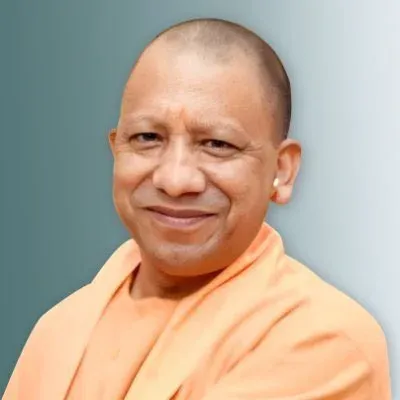
Uttar Pradesh CM Yogi Adityanath publicly congratulated BJP candidates who filed nominations on 6 October 2026 for the Rajya Sabha biennial election from UP, wishing them a 'historic victory' as the party leverages its assembly majority.
Key Takeaways
CM Yogi Adityanath congratulated all BJP candidates who filed Rajya Sabha nominations from Uttar Pradesh on 6 October 2026 .
The election is part of the Rajya Sabha biennial cycle-2026 , where seats with expiring six-year terms are refilled.
Uttar Pradesh sends 31 members to the Rajya Sabha — the highest quota of any state — making each round nationally significant.
Rajya Sabha elections from state legislatures are decided by elected MLAs, giving the BJP an advantage through its assembly majority in UP.
Adityanath used the phrase 'aitihāsik vijay' ('historic victory'), signalling the party's confident posture ahead of polling.
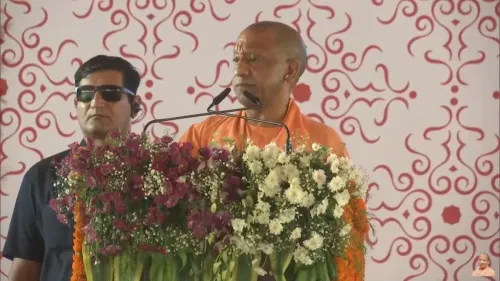
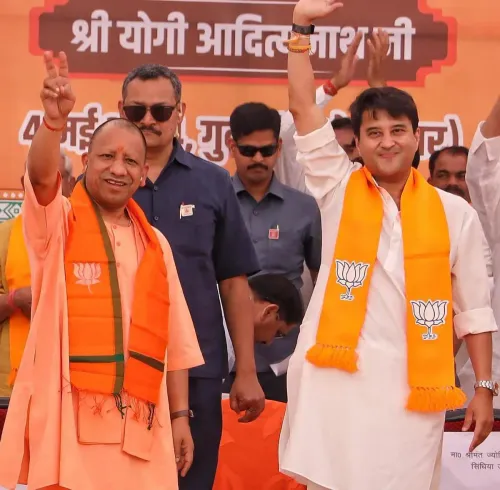
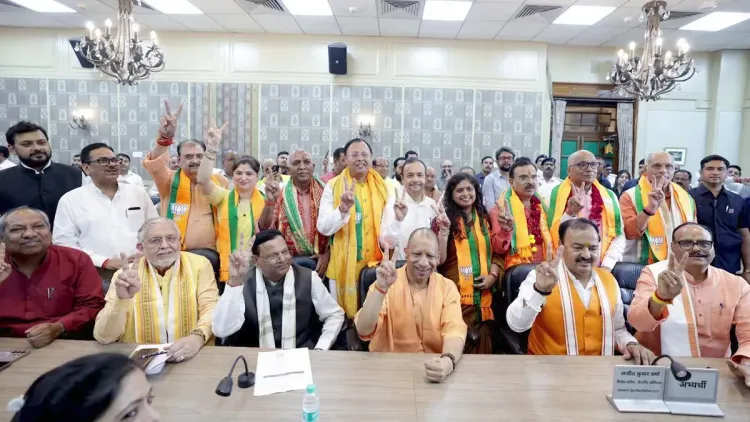
With Uttar Pradesh's Rajya Sabha biennial election cycle now formally in motion, Uttar Pradesh Chief Minister Yogi Adityanath on Tuesday, 6 October 2026 extended warm wishes to every BJP candidate who filed their nomination papers today — signalling the party's confidence even before a single vote is cast.
In a post on X, Chief Minister Adityanath wrote in Hindi: 'Uttar Pradesh se Rajya Sabha dvivaarshik chunav-2026 hetu aaj naamankhan karne vaale BJP ke sabhi sammānit pratyāshī gaṇon ko haardik badhāī!' — 'Heartfelt congratulations to all the respected BJP candidates who have filed nominations today for the Rajya Sabha biennial election-2026 from Uttar Pradesh!' He added his 'infinite good wishes for your historic victory.'
What the Rajya Sabha biennial cycle means for UP
Rajya Sabha seats are not filled in a single national election — they rotate on staggered six-year terms, with roughly one-third of the upper house retiring every two years. Uttar Pradesh, which holds the largest share of Rajya Sabha seats among all Indian states, sends 31 members to the upper house, making each biennial round from the state a consequential event for national legislative arithmetic.
Because Rajya Sabha elections from state legislatures are decided by elected MLAs through a single transferable vote system, a party's strength in the state assembly is the decisive factor — not the general electorate. With the BJP and its allies commanding a substantial majority in the Uttar Pradesh Legislative Assembly, the party's nominees enter the contest as strong favourites.
The nomination-day ritual and what it signals
Nomination filing is a formal legal step under Election Commission of India procedures, but politically it is also the moment a party publicly commits its chosen faces to a seat. Chief Minister Adityanath's public congratulation immediately after nominations were filed is a standard BJP practice of projecting unity and inevitability — projecting the message that the outcome is not in doubt even before scrutiny or withdrawal deadlines pass.
The phrase 'aitihāsik vijay' — 'historic victory' — used by the Chief Minister is a rhetorical lift above routine electoral language, underscoring the party's intent to maximise its upper-house presence from India's most populous state.
With nominations in, the countdown to polling day begins — and Lucknow's political establishment will be watching closely to see whether the BJP's assembly numbers translate into the sweep its chief minister is already calling historic.
Point of View
Public congratulation on nomination day is a calibrated show of party solidarity — projecting certainty of outcome before the process formally advances. In Rajya Sabha contests, where MLAs are the electorate, a strong assembly mandate effectively predetermines the result, making such announcements as much about optics as electoral arithmetic. The BJP's sustained focus on consolidating its upper-house numbers from UP fits into a broader pattern of ensuring smoother legislative passage for key bills. How many seats the party ultimately wins from this round will be a real-time test of how robustly its 2022 assembly mandate translates into enduring upper-house influence.
NationPress
6 Oct 2026
Frequently Asked Questions
What is the Rajya Sabha biennial election 2026 in Uttar Pradesh?
It is a scheduled election to fill Rajya Sabha seats from Uttar Pradesh whose six-year terms are expiring in 2026. One-third of Rajya Sabha seats rotate every two years; UP's round involves several vacancies from the state's 31-seat quota.
Who votes in a Rajya Sabha election from Uttar Pradesh?
Only elected members of the Uttar Pradesh Legislative Assembly (MLAs) vote, using a single transferable vote system. The general public does not directly vote in Rajya Sabha elections.
How many Rajya Sabha seats does Uttar Pradesh have?
Uttar Pradesh holds 31 seats in the Rajya Sabha, the highest allocation of any Indian state, reflecting its population size.
Why did CM Yogi Adityanath congratulate candidates after nomination filing?
Adityanath congratulated BJP's candidates immediately after they filed their nomination papers on 6 October 2026 , expressing good wishes for a 'historic victory' — a standard party practice to signal unity and confidence in the outcome.
What does 'biennial election' mean for the Rajya Sabha?
The Rajya Sabha does not face dissolution; instead, one-third of its members retire every two years after completing six-year terms. Elections to fill these vacancies are called biennial elections.