CM Yogi Champions Skilling Under NEP 2020 for UP Students
Synopsis
Uttar Pradesh Chief Minister Yogi Adityanath has spotlighted NEP 2020's emphasis on integrating vocational skilling with traditional curricula, reinforcing UP's alignment with India's landmark 2020 education reform that replaced a four-decade-old policy framework.
Key Takeaways
CM Yogi Adityanath posted on 21 November 2026 emphasising NEP 2020's skilling mandate alongside conventional academics.
NEP 2020 , approved in July 2020 , replaced India's 1986 education policy and introduced vocational training from Grade 6 .
Uttar Pradesh has been aligning its education department with NEP 2020 directives since the policy's launch.
The Skill India Mission (launched 2015 ) provided the institutional foundation that NEP 2020 builds upon.
How UP rolls out vocational courses in government schools will serve as a key national benchmark for NEP implementation.
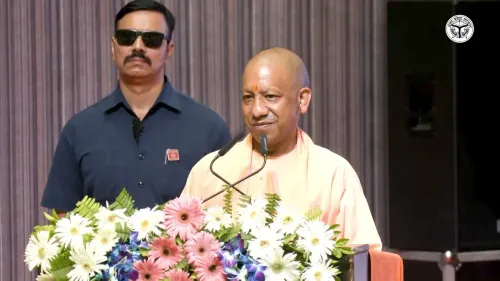
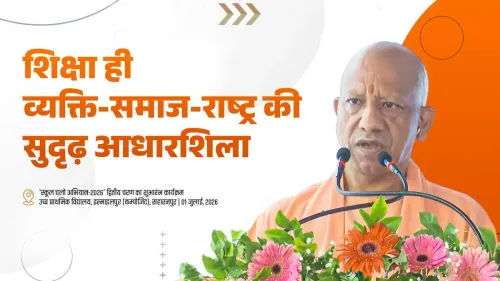
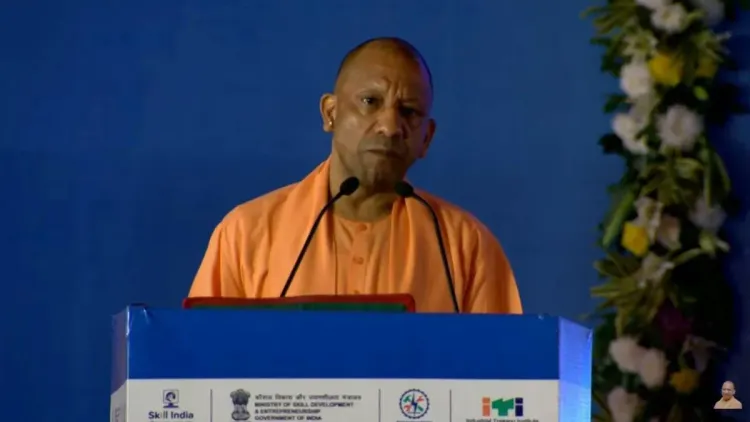
India's most ambitious education overhaul in four decades has a new champion's voice — Uttar Pradesh Chief Minister Yogi Adityanath used his X platform on Saturday, 21 November 2026 to spotlight a defining feature of the National Education Policy 2020: the deliberate marriage of traditional academic curricula with hands-on vocational skilling.
Posting in Hindi, CM Yogi underlined that 'Rashtriya Shiksha Niti-2020' (National Education Policy 2020) places equal emphasis on skilling alongside conventional coursework — a signal that Uttar Pradesh, India's most populous state, is leaning into the reform's most consequential plank.
What NEP 2020 Actually Changed
Approved by the Union Cabinet in July 2020, NEP 2020 replaced a framework that had stood since 1986 — the year Rajiv Gandhi's government last overhauled India's education architecture. The new policy broke significant ground by mandating vocational education from as early as Grade 6, embedding skill training within the school day rather than treating it as an afterthought. It also pushed multidisciplinary learning at the higher-education level, dissolving the rigid arts-science-commerce silos that generations of Indian students grew up with.
The logic is straightforward: India produces millions of graduates annually, yet employer surveys have consistently flagged mismatches between what colleges teach and what the workplace demands. NEP 2020's skilling thrust is designed to close that gap before students ever enter the job market.
Uttar Pradesh's Role in the National Rollout
Uttar Pradesh — with over 200 million residents and one of India's largest government school networks — is a critical test bed for NEP 2020. Since 2020, the state's education department has been aligning curriculum frameworks, teacher-training modules, and school infrastructure with the central directive. The stakes are high: how UP implements vocational courses in its government schools, and what budget it allocates for the transition, will shape outcomes for tens of millions of students.
The post also sits within a broader national pattern. The Skill India Mission, launched in 2015, laid the institutional groundwork for scaling vocational training, and NEP 2020 effectively deepens that investment by routing skilling into the formal education pipeline rather than keeping it parallel to it.
Why This Signal Matters Now
A serving chief minister publicly reiterating a central policy's skilling mandate is rarely coincidental. Such posts typically precede state-level announcements — curriculum roll-outs, budget line-items, school-level programme launches — and they set the political tone for department officials to follow. For parents, students, and school administrators across Uttar Pradesh, the message is clear: vocational readiness is not optional; it is policy.
The question now is whether the emphasis stays rhetorical or gets built into classrooms. India's education reform history is littered with well-drafted policies that stalled at implementation. NEP 2020 has the ambition; UP's execution will be one of the clearest national scorecards.
Point of View
A state where youth unemployment and rural dropout rates remain live political vulnerabilities, vocational integration in schools offers a tangible metric the government can point to ahead of electoral cycles. The post also signals administrative intent downward: when a chief minister publicly restates a policy priority, department officials and school administrators take notice. Whether this translates into funded, classroom-level change — or remains a social-media restatement of central policy — will define its real significance.
NationPress
21 Nov 2026
Frequently Asked Questions
What is the National Education Policy 2020?
NEP 2020 is India's comprehensive education reform approved by the Union Cabinet in July 2020, replacing the 1986 policy. It introduces multidisciplinary learning, vocational training from Grade 6, and aims to align academic curricula with employability skills.
What has CM Yogi Adityanath said about NEP 2020?
CM Yogi Adityanath highlighted on 21 November 2026 that NEP 2020 places strong emphasis on skilling alongside traditional academic coursework, underscoring Uttar Pradesh's commitment to implementing the reform.
How is Uttar Pradesh implementing NEP 2020?
Uttar Pradesh has been aligning its education department's curriculum frameworks and teacher-training programmes with NEP 2020 directives since 2020. The state is working to introduce vocational courses in government schools as mandated by the policy.
What is the Skill India Mission and how does it relate to NEP 2020?
Skill India Mission was launched in 2015 to scale vocational training and address employability gaps. NEP 2020 deepens this push by integrating skilling directly into the formal school curriculum rather than keeping it separate from mainstream education.
Why does UP's NEP 2020 rollout matter nationally?
Uttar Pradesh, with over 200 million residents and one of India's largest government school networks, is a critical test case for NEP 2020. Its implementation quality and state budget allocations for vocational education will serve as a major national benchmark.