CM Yogi Calls SP Era a 'Dacoity' on Uttar Pradesh
Synopsis
Uttar Pradesh Chief Minister Yogi Adityanath declared on X that the Samajwadi Party's past rule in the state was a 'dacoity' — outright robbery — sharpening the BJP's sustained attack on the SP's 2012–2017 governance record.
Key Takeaways
CM Yogi Adityanath posted on X on 20 July 2026 calling the Samajwadi Party 's tenure a dakaiti (dacoity or robbery).
The remark targets the SP government's 2012–2017 period under Akhilesh Yadav in Uttar Pradesh .
The post was accompanied by a video, indicating it was pegged to a specific case or policy revelation.
The Yogi Adityanath government has pursued multiple corruption investigations into the SP era since 2017 .
The Samajwadi Party is expected to respond; no rebuttal had been issued at the time of publication.
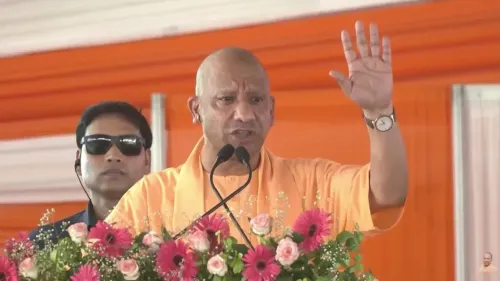
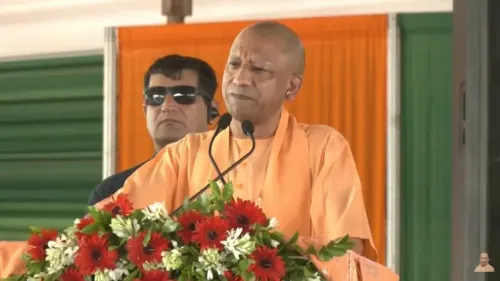
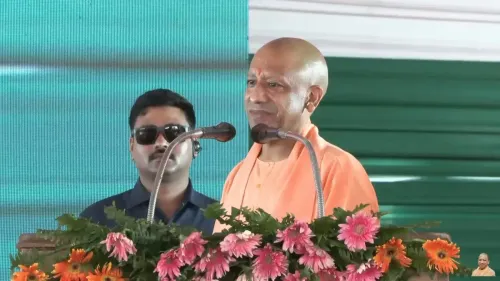
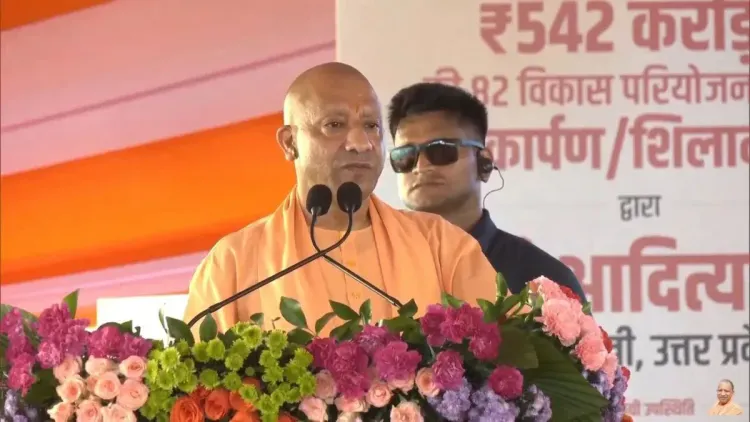
Uttar Pradesh Chief Minister Yogi Adityanath launched a sharp attack on the Samajwadi Party on Monday, 20 July 2026, declaring that the party's tenure in the state amounted to outright plunder. The remark, posted on his official X account, distilled the BJP's long-standing governance critique into a single pointed phrase.
Context
The Chief Minister's post, in Hindi, stated: 'Ye samajwadiyon ki dakaiti thi...' — 'This was the Samajwadis' dacoity (robbery)...' The ellipsis in the original post signals that the remark was tied to a video shared alongside it, which provides the specific policy or incident being referenced. The language is unambiguous: CM Yogi frames the Samajwadi Party's past governance not as mismanagement but as deliberate looting.
The post targets the period when the Samajwadi Party, led by Akhilesh Yadav, governed Uttar Pradesh from 2012 to 2017. That administration has been the subject of sustained scrutiny by the subsequent BJP government on multiple fronts, including alleged irregularities in mining contracts, land deals, and public procurement.
Policy Backdrop
Since assuming office in 2017, the Yogi Adityanath government has pursued investigations into several cases linked to the 2012–2017 SP administration. These probes have spanned sectors including sand mining, infrastructure contracts, and government appointments, and have formed a recurring thread in the BJP's political communication in the state.
The framing of the SP era as lawless or corrupt is central to the BJP's electoral and governance narrative in Uttar Pradesh. By invoking the word dakaiti — a term with specific legal meaning in Indian law, referring to gang robbery — CM Yogi deploys language designed to resonate with voters who associate the SP years with crime and impunity.
Stakeholders and Impact
Samajwadi Party chief Akhilesh Yadav and the party's leadership are the direct targets of the remark. The SP has consistently denied allegations of corruption during its tenure and has countered with its own critiques of the current administration's record. A formal response from SP spokespersons is expected.
For Uttar Pradesh voters — particularly in constituencies where the SP retains a strong base — the remark lands as part of a broader competitive narrative between the two dominant state-level parties. The BJP's ability to keep the SP's past governance record in public discourse is seen as a strategic tool ahead of future electoral cycles.
What's Next
The Samajwadi Party is likely to issue a rebuttal, potentially highlighting its own governance achievements or raising counter-allegations. Observers will also watch whether the Uttar Pradesh government accompanies this political statement with fresh data releases or legal developments tied to any specific case from the SP era.
The exchange underscores that the rivalry between the BJP and the Samajwadi Party in Uttar Pradesh remains intensely active, with both sides treating the historical record of governance as live political terrain rather than settled history.
Point of View
Using legally charged vocabulary to keep the SP's governance record on trial in the court of public opinion. It fits a well-established BJP pattern in Uttar Pradesh: converting investigative or administrative actions into narrative ammunition. The ellipsis and accompanying video suggest a specific trigger, likely a fresh revelation or case update, giving the rhetorical attack a factual anchor. For the SP, which is working to rebuild its image as a credible alternative ahead of future elections, each such episode forces a defensive posture rather than an offensive one.
NationPress
21 Jul 2026
Frequently Asked Questions
What did CM Yogi Adityanath say about the Samajwadi Party?
CM Yogi Adityanath said, 'This was the Samajwadis' dacoity,' in a post on X on 20 July 2026, accusing the SP of looting Uttar Pradesh during its 2012–2017 rule.
What is the BJP's corruption case against the Samajwadi Party in UP?
Since 2017, the Yogi Adityanath government has investigated alleged irregularities from the SP's 2012–2017 tenure, covering areas such as sand mining, land deals, and government contracts.
Who led the Samajwadi Party government in Uttar Pradesh that CM Yogi is criticising?
Akhilesh Yadav led the Samajwadi Party government in Uttar Pradesh from 2012 to 2017, and is the primary target of the BJP's corruption allegations from that period.
What does 'dacoity' mean in the context of CM Yogi's post?
Dacoity, or dakaiti in Hindi, is a legal term under Indian law referring to gang robbery. CM Yogi used it as a political metaphor to describe what he characterises as the SP government's large-scale misappropriation of public resources.
How has the Samajwadi Party responded to CM Yogi's remarks?
As of the time of publication, the Samajwadi Party had not issued a formal response to this specific post, though the party has historically denied all corruption allegations from its tenure.