CM Yogi warns caste, regional divides threaten national unity
Synopsis
Uttar Pradesh CM Yogi Adityanath posted on X that national unity is endangered when society divides along caste and regional lines — a pointed signal in a state where identity-based politics has historically dominated, and with the 2027 assembly elections approaching.
Key Takeaways
CM Yogi Adityanath posted on 31 October 2026 that caste and regional divisions are the primary threat to national unity.
The statement continues the BJP's established messaging in Uttar Pradesh against identity-based political mobilisation, in use since its 2017 assembly victory .
Parties such as the BSP and SP have historically relied on caste and community mobilisation in the state — the implicit target of the post.
The 2027 Uttar Pradesh assembly elections are approaching, making unity-versus-fragmentation messaging increasingly high-stakes.
Adityanath also heads the Gorakhnath Math , an institutional platform he has long used to project authority beyond partisan lines.
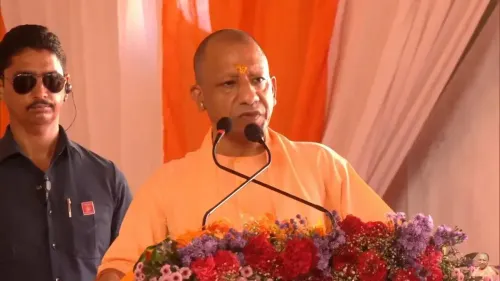
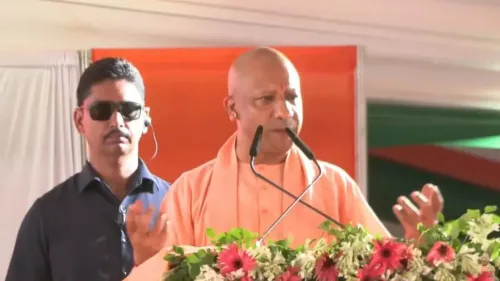
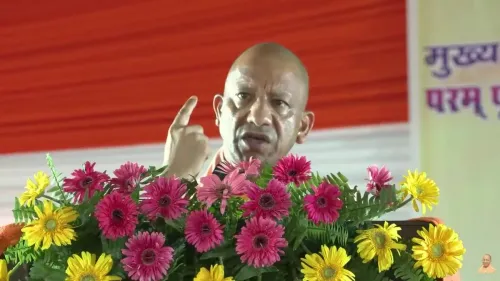
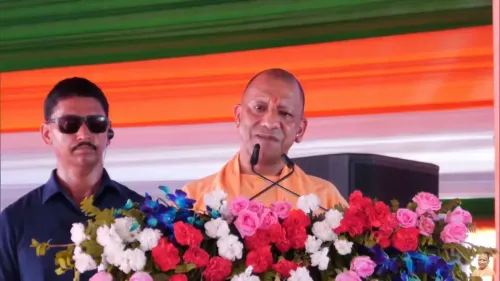
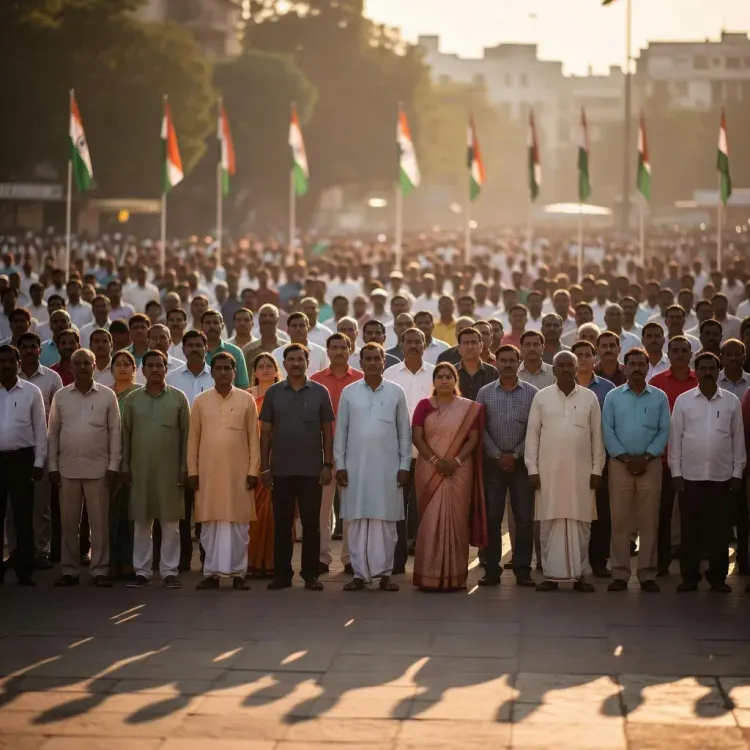
National unity fractures not from external threats alone — it fractures, Uttar Pradesh Chief Minister Yogi Adityanath argued on Saturday, 31 October 2026, from within, when citizens allow caste and regional identities to override their shared nationhood.
Posting on X, the Chief Minister wrote: 'राष्ट्रीय एकता को खतरा कब होता है? जब हम जाति और क्षेत्र के नाम पर बंटे होते हैं...' — 'When is national unity under threat? When we are divided in the name of caste and region.' The rhetorical question format was pointed: not a policy announcement, but a provocation aimed squarely at identity-based politics.
A message shaped by UP's political landscape
The statement lands in a state where caste arithmetic has long been the dominant electoral grammar. Parties such as the Bahujan Samaj Party and the Samajwadi Party have historically built their bases through explicit caste and community mobilisation — a model the BJP has consistently sought to counter since its landmark 2017 Uttar Pradesh assembly victory.
Since taking charge of Lucknow that year, the Adityanath government has repeatedly positioned governance delivery and development outcomes as the alternative to vote-bank politics. The argument: that caste-driven divisions hollow out the state's ability to grow, and that a unified electorate — not a fragmented one — is the precondition for progress.
With 2027 on the horizon, the stakes sharpen
With the 2027 Uttar Pradesh assembly elections moving steadily into view, messaging around unity versus fragmentation is likely to intensify across the political spectrum. Opposition parties will almost certainly frame their own counter-narratives — arguing that acknowledging caste inequality is not division but justice.
That is the debate Adityanath's post reopens: whether naming caste is the cause of fragmentation, or whether it is the only honest starting point for addressing it. That argument will play out loudly over the next twelve months.
The Chief Minister, who also heads the Gorakhnath Math in Gorakhpur, has long drawn on that institutional authority to project an image above narrow factional interests — a persona this post reinforces. One short question, one long political season ahead.
Point of View
Sabka vikas' framing — positioning the party as the vehicle of national cohesion against rivals it portrays as fragmenting society for votes. With the 2027 UP election cycle beginning to warm up, such messaging serves both an ideological and electoral function: it allows the party to critique caste-based opponents without directly naming them, while appealing to voters fatigued by identity politics. The rhetorical question format is deliberate — it invites voters to answer for themselves, a technique that lands harder than a declarative charge. Whether this framing retains traction against opposition parties who argue that caste inequality cannot be dissolved by simply refusing to name it remains the defining tension of UP's political conversation.
NationPress
31 Oct 2026
Frequently Asked Questions
What did CM Yogi Adityanath say about national unity?
Yogi Adityanath posted on X that national unity is threatened when people divide along caste and regional lines, asking rhetorically: 'When is national unity under threat? When we are divided in the name of caste and region.'
Why is Yogi Adityanath talking about caste and regional divisions?
The statement is part of the BJP's long-standing strategy in Uttar Pradesh to counter caste-based political mobilisation by parties such as BSP and SP, and gains added significance as the 2027 state assembly elections approach.
What is the BJP's position on caste politics in Uttar Pradesh?
Since its 2017 assembly victory, the BJP government in UP under Yogi Adityanath has consistently positioned governance and development as alternatives to caste-based mobilisation, arguing that such divisions undermine collective progress.
Who is Yogi Adityanath?
Yogi Adityanath is the Chief Minister of Uttar Pradesh since 2017 and a senior BJP leader. He also heads the Gorakhnath Math, a prominent religious institution in Gorakhpur, UP.
When are the next Uttar Pradesh assembly elections?
The next Uttar Pradesh assembly elections are due in 2027, and political messaging around issues of unity, caste, and regional identity is expected to intensify as the election cycle gets underway.