CM Yogi Says UP Voters' Ballot Transformed State's Destiny
Synopsis
Uttar Pradesh Chief Minister Yogi Adityanath declared on 21 June 2026 that voters' ballots had transformed UP's destiny, asserting that those who once created an identity crisis for the state now face one themselves — a pointed signal ahead of the 2027 assembly elections.
Key Takeaways
CM Yogi Adityanath posted on 21 June 2026 crediting UP voters' ballots with transforming the state's destiny.
He declared that those who once imposed an 'identity crisis' on Uttar Pradesh now face an identity crisis themselves.
The BJP has governed Uttar Pradesh since 2017 , winning successive assembly and general elections.
Uttar Pradesh sends 80 Lok Sabha seats, making it the largest single contributor to any national majority.
The post is widely read as early campaign positioning ahead of the 2027 Uttar Pradesh assembly elections.
The 'identity crisis' framing targets the preceding era of SP and BSP governance in the state.
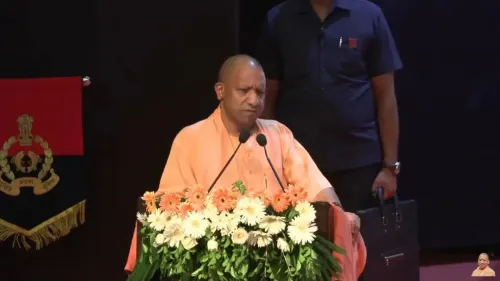
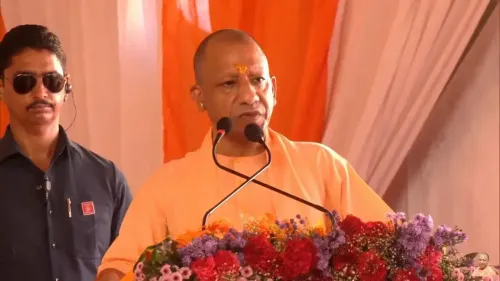
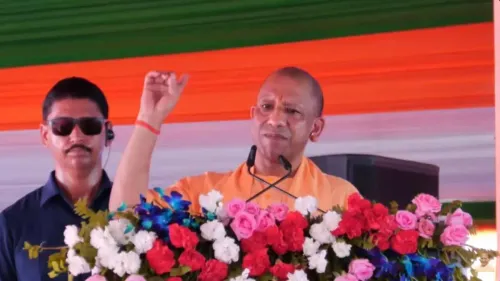
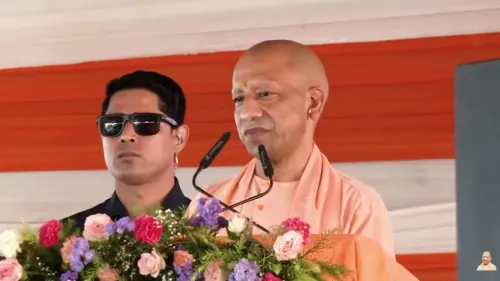
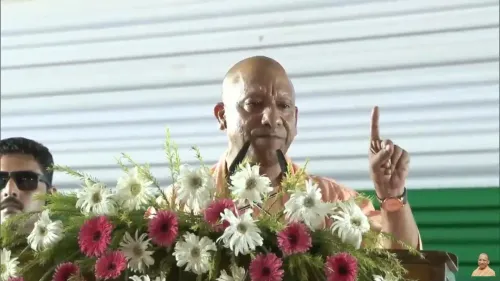
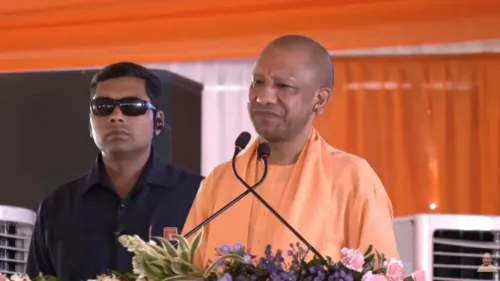
Uttar Pradesh Chief Minister Yogi Adityanath on Sunday, 21 June 2026, declared that a single vote cast by the people of Uttar Pradesh had transformed the state's destiny, turning the tables on those who once created an identity crisis for the state.
Posting on X, the Chief Minister wrote in Hindi: 'Aapke ek vote ne Uttar Pradesh ki taqdeer badal di' ('Your one vote changed the fate of Uttar Pradesh'), adding that those who had once posed an identity crisis before UP now face an identity crisis themselves.
Context
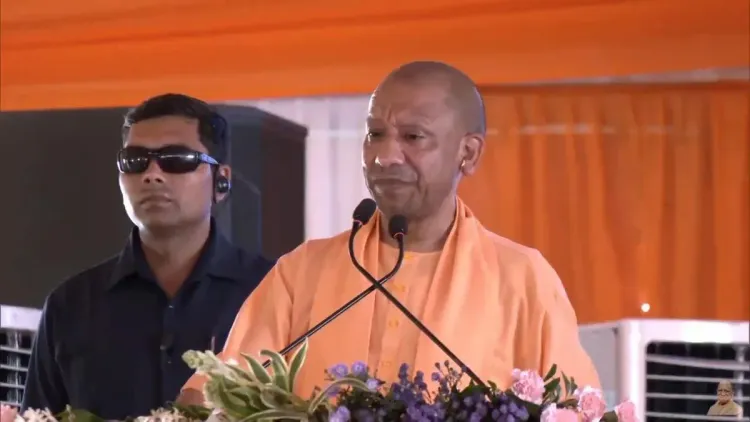
The post, accompanied by a video, reflects the BJP's long-running electoral narrative in Uttar Pradesh — that the party's successive victories represent a decisive break from an era of fragmented, caste-driven governance. CM Yogi Adityanath has governed the state since 2017, when the BJP swept to power ending years of Samajwadi Party and Bahujan Samaj Party rule. The phrase 'identity crisis' is a pointed reference to that earlier period, when critics argued governance was shaped by narrow community calculations rather than broad development.
Policy Backdrop
Since 2017, the BJP government in Lucknow has consistently framed its tenure as one of law-and-order restoration, infrastructure expansion, and cultural assertion — positioning these as antidotes to what it characterises as the identity-politics era of its predecessors. This framing has been a cornerstone of the party's messaging in Uttar Pradesh across three successive electoral cycles: the 2017 assembly polls, the 2019 and 2024 general elections, and the 2022 assembly elections in which the BJP retained power. The rhetoric of 'one vote, one transformation' is designed to credit individual voters with collective change, reinforcing a sense of participatory ownership in the BJP's political project.
Stakeholders and Impact
UP's electorate — numbering in the hundreds of millions — is the primary audience for this messaging. As India's most populous state, Uttar Pradesh sends 80 members to the Lok Sabha, making it the single largest contributor to any national majority. The opposition parties — principally the Samajwadi Party and the Congress — are the implicit targets of the 'identity crisis' remark, as the post suggests their political standing has been weakened by the BJP's successive victories. For voters in constituencies across the state, the message serves as a pre-campaign reinforcement of loyalty ahead of the 2027 Uttar Pradesh assembly elections.
What's Next
With the 2027 Uttar Pradesh assembly elections on the horizon, political observers will watch whether this post marks the beginning of a formal campaign mobilisation phase for the BJP. CM Yogi Adityanath's continued use of the 'transformed destiny' frame suggests the party intends to contest the next election on its governance record while simultaneously keeping the memory of opposition-era politics alive in public discourse. The identity-crisis inversion — arguing that the BJP's opponents now face the marginalisation they once allegedly imposed — is likely to sharpen as a campaign theme in the months ahead.
Point of View
Where the voter is cast as the hero who rescued the state. The 'identity crisis inversion' — turning a charge historically levelled at caste-based parties back onto those parties — is rhetorically efficient because it requires no new policy announcement, only a reframing of the electoral record. Coming in June 2026, more than a year before the 2027 assembly polls, the post suggests the BJP is beginning to lay the ideological groundwork for its next campaign cycle early. If the opposition fails to counter this narrative with a credible alternative frame, the BJP enters the election season with a pre-set story of transformation that has already been tested across three electoral victories.
NationPress
20 Sept 2026
Frequently Asked Questions
What did CM Yogi Adityanath say about UP voters in his June 2026 post?
CM Yogi Adityanath said that a single vote cast by the people of Uttar Pradesh had changed the state's fate, and that those who once created an identity crisis for UP now face an identity crisis themselves.
What is the 'identity crisis' CM Yogi referred to in his post?
The 'identity crisis' is a reference to the era of SP and BSP governance in Uttar Pradesh before 2017 , which the BJP characterises as a period of narrow caste-based politics that undermined the state's broader identity and development.
When did the BJP first come to power in Uttar Pradesh under Yogi Adityanath?
The BJP won the 2017 Uttar Pradesh Legislative Assembly election by a large majority, and Yogi Adityanath was sworn in as Chief Minister, ending years of SP and BSP rule.
Is CM Yogi Adityanath campaigning for the 2027 UP elections?
No formal campaign has been announced, but CM Yogi Adityanath's June 2026 post is being read by political observers as early ideological positioning ahead of the 2027 Uttar Pradesh assembly elections.
Why is Uttar Pradesh so important in Indian national politics?
Uttar Pradesh is India's most populous state and elects 80 members of the Lok Sabha, making it the single largest contributor to any national parliamentary majority.