CM Yogi Calls Census-2027 a National Duty, Urges Accurate Data
Synopsis
Uttar Pradesh CM Yogi Adityanath on 16 November 2026 called Census-2027 a national duty and urged enumerators to collect accurate data, calling it the foundation of India's progress — the country's first full census since 2011.
Key Takeaways
CM Yogi Adityanath addressed Census-2027 personnel on 16 November 2026 , calling the exercise a 'national task.' India's last completed census was in 2011 — the country has gone over 15 years without a fresh demographic baseline.
The Chief Minister stressed that accurate data alone would form the foundation of the nation's progress.
Census data drives constituency delimitation, central fund allocation, and welfare scheme implementation across states.
Uttar Pradesh , as India's most populous state, will play a disproportionately large role in shaping national census figures.
Fieldwork timelines and digital data-collection integration remain key factors to watch as the Census-2027 programme advances.
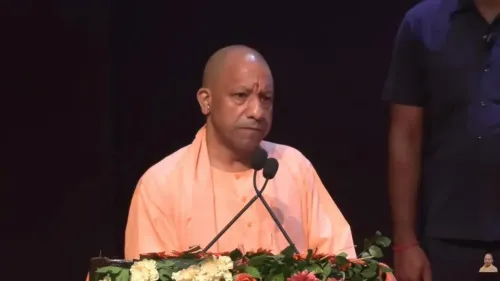
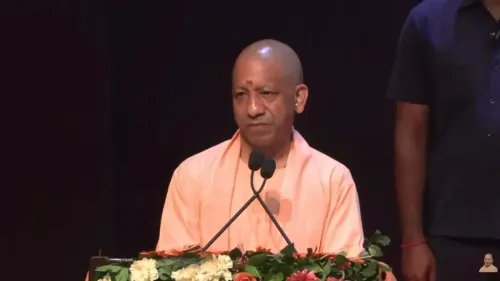
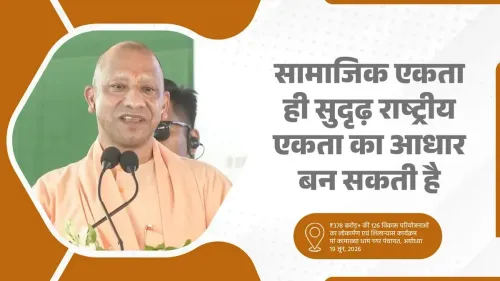
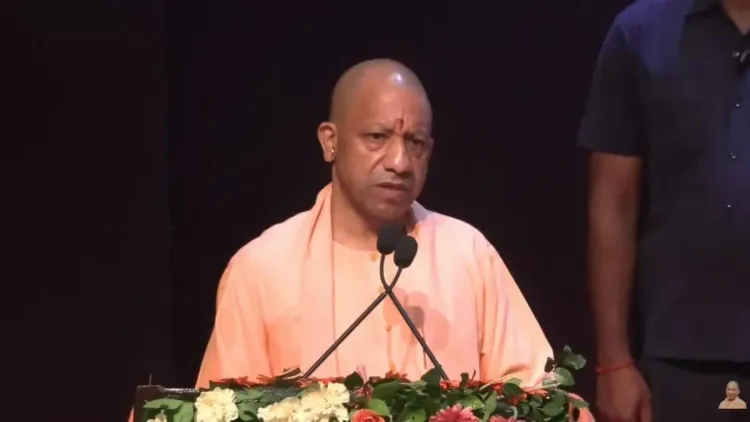
Accurate data, Uttar Pradesh Chief Minister Yogi Adityanath declared on Monday, 16 November 2026, is not a bureaucratic formality — it is the very foundation of a nation's progress. Addressing personnel involved in rolling out the Census-2027 programme, the Chief Minister placed the weight of the exercise squarely on the shoulders of every enumerator in the field.
In his post on X, CM Yogi said: 'जनगणना-2027 कार्यक्रम को आगे बढ़ाने वाले कार्मिकों से कहूंगा- ये राष्ट्रीय कार्य है और सही जानकारी आपको लेनी है, सही जानकारी ही राष्ट्र की प्रगति का आधार बनेगी...' — 'I would say to the personnel advancing the Census-2027 programme: this is a national task, and you must collect accurate information — accurate information alone will become the foundation of the nation's progress.'
India's Long Wait for a Census — and Why 2027 Matters More Than Ever
The stakes of this message are hard to overstate. India's last completed census was conducted in 2011, under the Census Act 1948 — meaning the country has now gone more than fifteen years without a fresh demographic baseline. The 2021 cycle, disrupted by repeated postponements, never reached completion. Every welfare scheme, every constituency boundary, every rupee of central fund allocation tied to population data has been resting on figures that are a decade and a half old.
Census-2027 represents the first full enumeration exercise since then. The data it generates will feed delimitation of parliamentary and assembly constituencies, recalibrate central transfers to states, and underpin the implementation of flagship welfare programmes across health, education, and housing. Getting the numbers right the first time is not an option — it is a necessity.
What CM Yogi's Message Tells Enumerators on the Ground
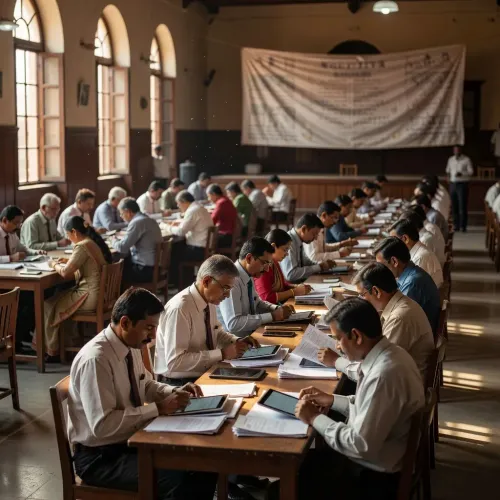
By framing census work as a rashtriya karya — a national task — the Chief Minister is signalling to field personnel that their work carries a civic responsibility far beyond routine data-entry. The message is a motivational one, but it also carries accountability: enumerators are being told that inaccuracy is not merely an administrative error; it is a failure of national duty.
Uttar Pradesh, as India's most populous state, will be among the most consequential theatres of the census exercise. The accuracy of enumeration here will disproportionately shape national-level figures, fund flows, and eventual delimitation outcomes — giving this push from the state's top office particular operational weight.
The fieldwork timelines, training modules for enumerators, and potential integration of digital data-collection tools are all details that will define whether the promise of accurate data translates into reality. CM Yogi has set the tone. Now the count begins.
Point of View
He is both motivating field staff and placing accountability on accurate enumeration ahead of a census that will directly shape delimitation and resource allocation. For a state like Uttar Pradesh — where population size translates directly into political and fiscal weight — the accuracy of Census-2027 data carries enormous downstream consequences. The statement also reflects a broader BJP emphasis on data-driven welfare delivery, positioning the census as a tool of evidence-based governance rather than a mere headcount. With India running on 15-year-old population data, the pressure on this cycle to deliver is immense, and leadership visibility at the state level could help drive enumerator accountability.
NationPress
16 Nov 2026
Frequently Asked Questions
When is Census 2027 India taking place?
Census-2027 is India's next planned decennial population enumeration. India's last completed census was in 2011; the 2021 cycle was repeatedly postponed and never completed, making Census-2027 the first full exercise since then.
What did CM Yogi say about Census 2027?
On 16 November 2026, CM Yogi Adityanath said census personnel must treat the exercise as a national task and collect accurate information, stating that accurate data alone will become the foundation of the nation's progress.
Why is Census 2027 important for India?
Census-2027 will provide the demographic baseline for delimitation of parliamentary and assembly constituencies, allocation of central government funds to states, and implementation of flagship welfare schemes in health, education, and housing.
Why was India's census delayed from 2021?
India's Census-2021 was disrupted and repeatedly postponed, leaving the country without a fresh population count for over 15 years. The exact reasons involved a combination of logistical and administrative challenges; Census-2027 is the next scheduled full exercise.
How does the census affect welfare schemes in India?
Census data is used to determine the allocation of central funds to states and to target beneficiaries for welfare schemes in areas such as housing, food security, education, and health — making accurate enumeration critical for equitable distribution of resources.