CM Yogi Addresses Climate Seminar on World Environment Day
Synopsis
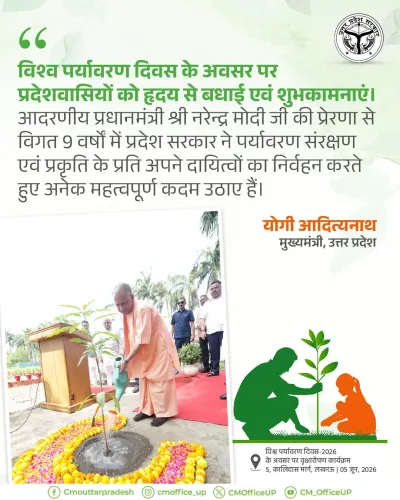
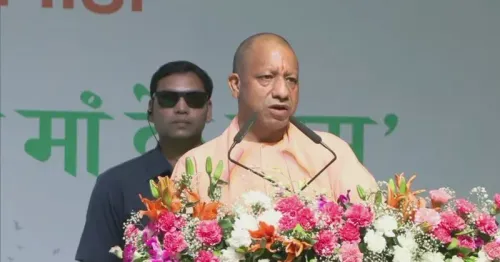
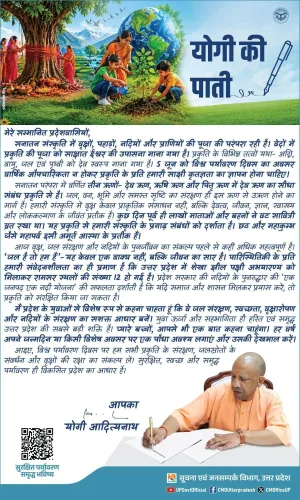
On World Environment Day, 5 June 2026, Uttar Pradesh Chief Minister Yogi Adityanath addressed a Lucknow seminar on 'Addressing the Challenges of Climate Change in Uttar Pradesh,' signalling the state's intent to mainstream climate resilience across agriculture, urban governance, and flood management.
Key Takeaways
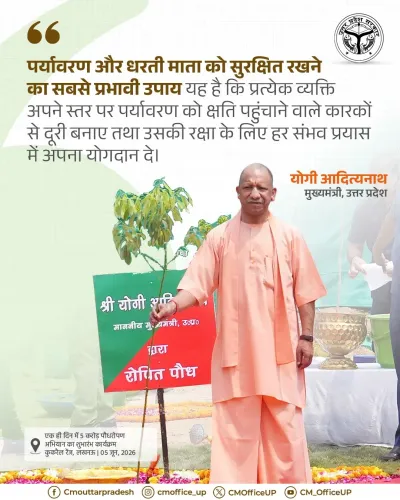
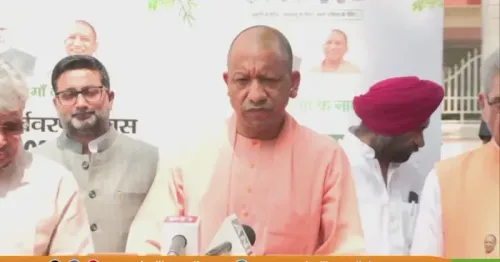
Chief Minister Yogi Adityanath addressed a state-level climate seminar in Lucknow on 5 June 2026 , World Environment Day.
The seminar's theme focused on 'Addressing the Challenges of Climate Change in Uttar Pradesh .' Uttar Pradesh released its State Action Plan on Climate Change in 2014 , updated since, to address agriculture and water vulnerabilities.
The state faces significant exposure to monsoon variability, heatwaves, and river flooding, directly impacting farmers and urban residents.
India has committed to achieving net-zero emissions by 2070 under the Paris Agreement , with state-level action plans forming a key pillar of that goal.
Seminar outcomes may influence upcoming Uttar Pradesh budget allocations for green and climate-resilience initiatives.
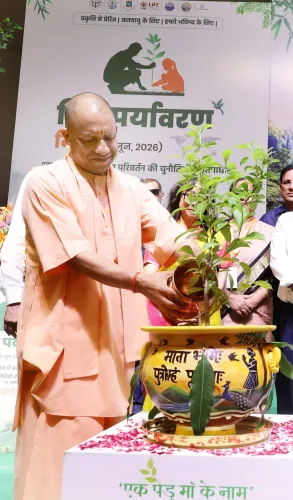
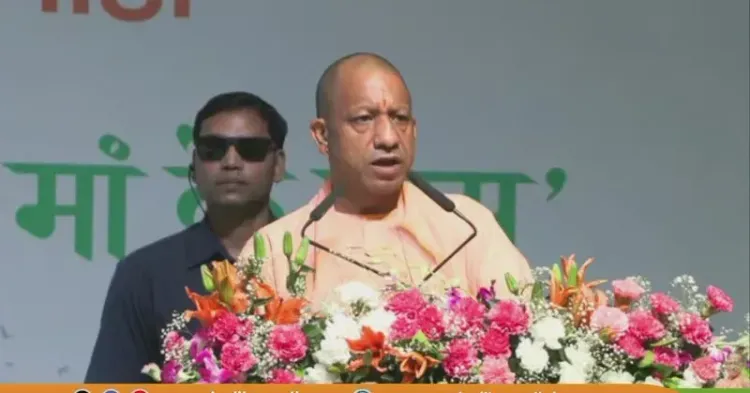
Uttar Pradesh Chief Minister Yogi Adityanath addressed a state-level seminar in Lucknow on Friday, 5 June 2026, organised on the occasion of World Environment Day to deliberate on the theme 'Uttar Pradesh mein jalvayu parivartan ki chunautiyon ka samadhan' — 'Addressing the Challenges of Climate Change in Uttar Pradesh.'
Context
World Environment Day, observed annually on 5 June, was established by the United Nations in 1972 to promote global environmental awareness and action. This year's Lucknow seminar placed Uttar Pradesh — India's most populous state — at the centre of a focused policy conversation on climate resilience, bringing together stakeholders from agriculture, urban governance, and environmental administration.
Chief Minister Adityanath's participation signals the state government's intent to treat climate adaptation not as a peripheral concern but as a mainstream governance priority ahead of future budget cycles.
Policy Backdrop
India's National Action Plan on Climate Change, launched in 2008, laid out eight national missions covering adaptation and mitigation. Building on that framework, Uttar Pradesh released its own State Action Plan on Climate Change in 2014, which has been updated subsequently to address vulnerabilities specific to the state — particularly in agriculture and water management.
Uttar Pradesh faces acute exposure to monsoon variability, recurring heatwaves, and flood cycles along the Ganga and Yamuna river systems. These factors make structured climate dialogue at the state level directly consequential for millions of farmers and urban residents alike.
Indian states have increasingly used World Environment Day as an occasion to align local action plans with India's national commitment to achieve net-zero emissions by 2070 and its obligations under the Paris Agreement.
Stakeholders and Impact
Farmers represent the most directly affected constituency, as erratic rainfall patterns and rising temperatures threaten crop yields across the state's vast agricultural belt. Urban local bodies in cities such as Lucknow, Kanpur, and Varanasi face mounting pressure to integrate climate resilience into infrastructure planning, waste management, and urban heat mitigation.
Seminars of this nature typically produce recommendations that feed into departmental action plans and, in some cases, dedicated budget line items in subsequent state budget sessions. The involvement of the Chief Minister's office lends political weight to any outcomes that emerge.
What's Next
Observers will watch for state-level implementation reports on ongoing climate adaptation projects and any fresh budgetary allocations for green initiatives in the next Uttar Pradesh budget session. The seminar's deliberations on sectoral challenges — spanning agriculture, flood management, and urban planning — could shape the contours of the state's updated climate action roadmap.
With Uttar Pradesh accounting for a significant share of India's population and agricultural output, the policy directions signalled at events like this carry implications well beyond the state's borders, feeding into national climate reporting and international commitments.
Point of View
Not merely a symbolic one. For a BJP-governed state often associated with infrastructure-led growth, foregrounding climate adaptation aligns with the national party's effort to demonstrate environmental credibility ahead of international scrutiny of India's net-zero pathway. The choice of Lucknow as the venue and the thematic specificity of the seminar suggest the state is building an institutional record on climate policy, which carries weight in Centre-state negotiations over green finance. How the seminar's recommendations translate into budgetary commitments will be the real test of political intent.
NationPress
21 Oct 2026
Frequently Asked Questions
Why did CM Yogi Adityanath hold a seminar on World Environment Day 2026?
Chief Minister Yogi Adityanath addressed a Lucknow seminar on World Environment Day, 5 June 2026, to deliberate on strategies for addressing climate change challenges specific to Uttar Pradesh, including impacts on agriculture and urban infrastructure.
What is the Uttar Pradesh State Action Plan on Climate Change?
The Uttar Pradesh State Action Plan on Climate Change, first released in 2014 and updated subsequently, outlines the state's strategies for climate adaptation and mitigation, with a focus on agriculture, water resources, and flood management.
How does climate change affect Uttar Pradesh?
Uttar Pradesh is vulnerable to erratic monsoon patterns, recurring heatwaves, and flooding along the Ganga and Yamuna rivers, all of which threaten agricultural output and urban infrastructure across the state.
What is India's climate commitment under the Paris Agreement?
India has committed to achieving net-zero greenhouse gas emissions by 2070 under the Paris Agreement, with state-level action plans forming a critical part of the national strategy.
What could come out of the UP climate seminar in Lucknow?
The seminar's deliberations are expected to produce policy recommendations that could shape Uttar Pradesh's updated climate action roadmap and potentially influence budgetary allocations for green initiatives in the next state budget session.