CM Yogi Challenges SP, Congress Over Religious Site Access
Synopsis
Uttar Pradesh CM Yogi Adityanath challenged the Samajwadi Party and Congress on 10 July 2026, asking if they would allow Hanuman Chalisa at Jama Masjid and questioning what he called the 'sin' of namaz being offered on the steps of Hanumangarhi in Ayodhya.
Key Takeaways
CM Yogi Adityanath posted a sharp political challenge to SP and Congress on 10 July 2026 .
He questioned whether the two parties would ever facilitate Hanuman Chalisa recitation at Jama Masjid , Delhi.
He demanded accountability for alleged namaz offered on the steps of Hanumangarhi temple in Ayodhya .
The post was accompanied by a video and is part of a sustained pattern of religious-site-based political messaging in Uttar Pradesh .
The Hanumangarhi temple and Ayodhya remain politically charged locations following the 2019 Supreme Court Ram Janmabhoomi verdict.
No official response from SP or Congress had been issued at the time of publication.
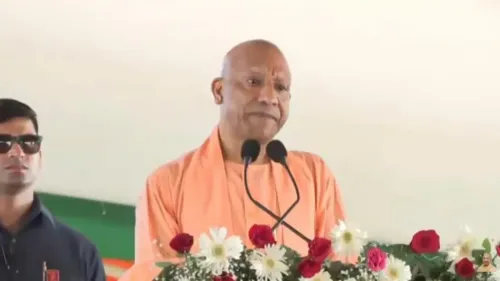
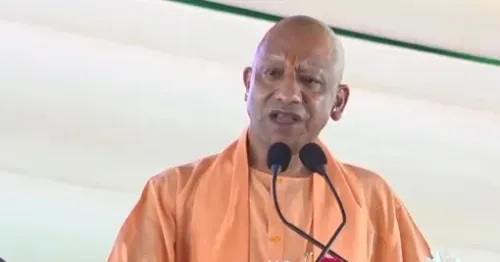
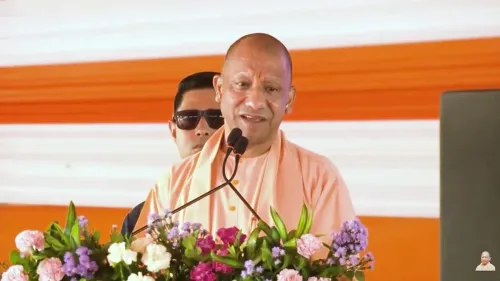
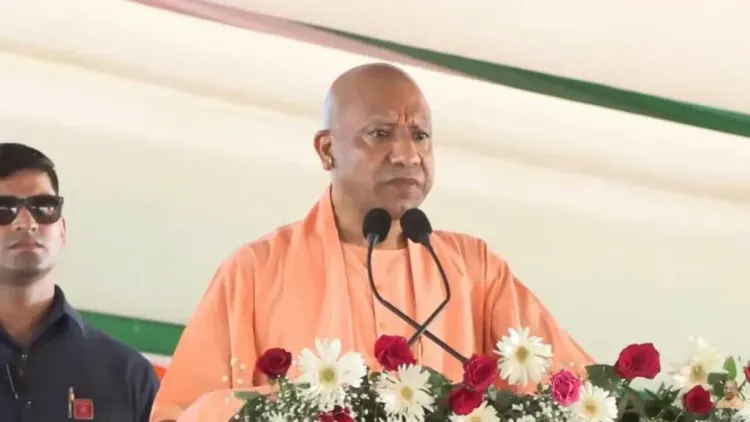
Uttar Pradesh Chief Minister Yogi Adityanath on Friday, 10 July 2026, posted a pointed political challenge on X, questioning whether the Samajwadi Party and the Indian National Congress would ever facilitate a recitation of the Hanuman Chalisa inside Jama Masjid in Delhi — and demanding an explanation for what he described as the 'sin' of allowing namaz to be offered on the steps of the sacred Hanumangarhi temple in Ayodhya.
Context
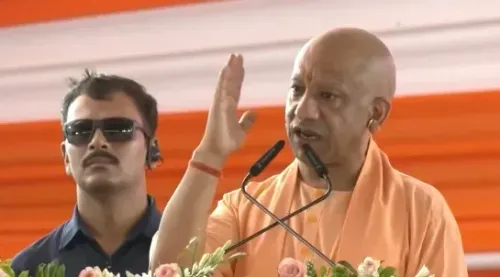
In his post, CM Yogi posed two rhetorical questions directed squarely at the two principal opposition parties in Uttar Pradesh. The first asked: 'Will the Samajwadi Party and Congress ever be able to get the Hanuman Chalisa recited at Jama Masjid?' The second demanded accountability for what he called the 'sin' of having namaz read on the steps of Hanumangarhi in Ayodhya Ji, referring to the revered Hanuman temple at the heart of the holy city. The post was accompanied by a video.
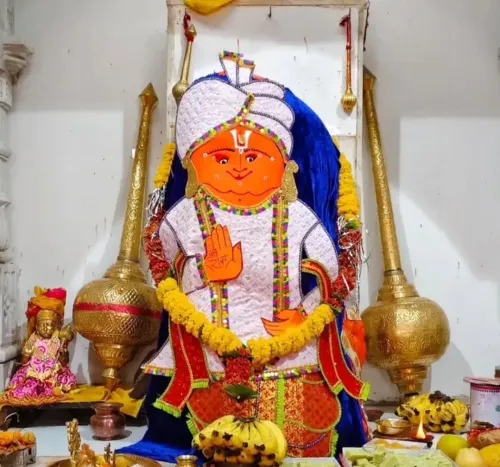
The Hanumangarhi temple, located in Ayodhya, Uttar Pradesh, is one of the most prominent Hanuman shrines in northern India, drawing tens of thousands of Hindu devotees daily. Jama Masjid, built by Mughal emperor Shah Jahan in the 17th century, is one of India's largest and most historically significant mosques, situated in Old Delhi.
Policy Backdrop
The post fits within a broader pattern of political contestation over religious sites and symbols that has defined Uttar Pradesh politics since the 1980s. CM Yogi has consistently positioned his administration as a protector of Hindu religious heritage, frequently contrasting it with the record of previous governments led by the Samajwadi Party or supported by the Congress.
Ayodhya holds particular political salience following the Supreme Court's 2019 verdict that resolved the decades-long Ram Janmabhoomi title dispute and cleared the path for the construction of the Ram Temple. Since then, Ayodhya has remained a focal point of both religious mobilisation and electoral competition in the state.
Stakeholders and Impact
The post directly implicates Hindu devotees and the Muslim community as the groups at the centre of this political framing. By invoking Hanumangarhi — a site of deep religious significance for Hindus — and Jama Masjid, CM Yogi draws a sharp asymmetry intended to question the opposition's approach to religious equality and minority appeasement.
The Samajwadi Party, founded in 1992, draws substantial support from Yadav and Muslim voters in Uttar Pradesh and is the principal opposition force in the state assembly. The Indian National Congress, currently part of the national opposition INDIA alliance, has a diminished but still relevant presence in the state. Both parties have yet to issue an official response to the post.
What's Next
Political observers will watch for formal responses from SP and Congress leaders, which could sharpen the exchange ahead of any upcoming electoral cycle in Uttar Pradesh. The framing of religious site access as a test of political fairness is likely to reverberate in the state's competitive political landscape. Any official statements on Ayodhya temple security or access protocols may also follow.
Point of View
CM Yogi frames the debate as one of reciprocity and religious fairness — a framing the SP and Congress find structurally difficult to rebut without alienating segments of their own coalition. This fits a broader arc in which Ayodhya has evolved from a legal dispute into a sustained political instrument, and suggests the BJP intends to keep religious identity at the centre of the state's political conversation well into the next electoral cycle.
NationPress
10 Jul 2026
Frequently Asked Questions
What did CM Yogi Adityanath post about Jama Masjid and Hanumangarhi?
CM Yogi Adityanath challenged the Samajwadi Party and Congress on 10 July 2026, asking if they would ever allow Hanuman Chalisa to be recited at Jama Masjid in Delhi, and questioned what he called the 'sin' of allowing namaz to be offered on the steps of Hanumangarhi temple in Ayodhya.
Where is Hanumangarhi temple located?
Hanumangarhi is a prominent Hanuman temple located in Ayodhya, Uttar Pradesh, and is one of the most visited Hindu shrines in northern India.
What is the political significance of Yogi Adityanath's post?
The post is part of a broader BJP strategy to highlight contrasts between its own governance and the record of SP and Congress on religious site access in Uttar Pradesh, particularly in the politically charged city of Ayodhya.
Have SP or Congress responded to CM Yogi's challenge?
As of the time of publication, neither the Samajwadi Party nor the Indian National Congress had issued an official response to CM Yogi Adityanath's post.
What is the history of the Ayodhya dispute?
The Ayodhya dispute centred on the Ram Janmabhoomi site was resolved by the Supreme Court in 2019, which cleared the path for the construction of the Ram Temple and has since made Ayodhya a focal point of religious and electoral politics in Uttar Pradesh.