CM Shivakumar Inspects Bengaluru Footpath Encroachment Drives
Synopsis
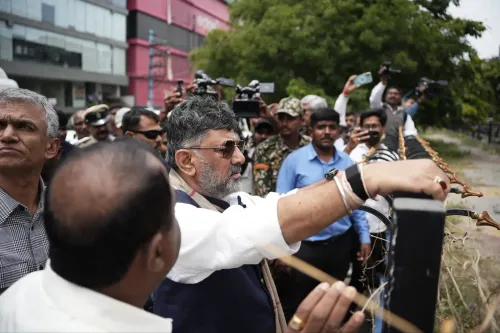
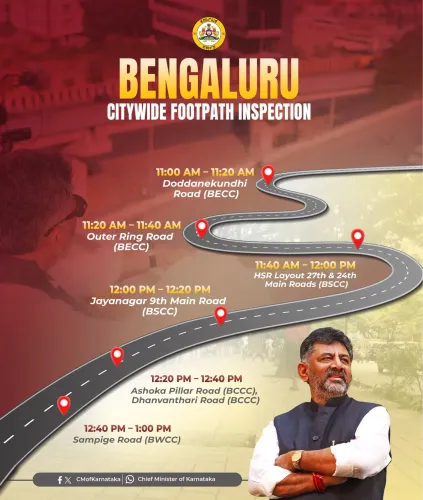
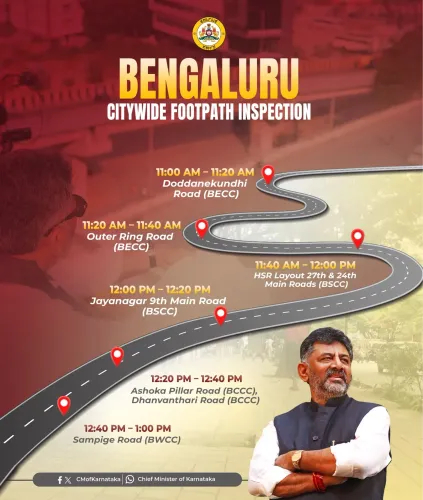
Chief Minister D.K. Shivakumar and Bengaluru Development Minister Krishna Byre Gowda conducted a personal on-ground inspection of footpath encroachment removal and repair works across several areas of Bengaluru on 10 July 2026, signalling direct political oversight of the city's pedestrian infrastructure drive.
Key Takeaways
Shivakumar personally inspected footpath encroachment removal and repair works in Bengaluru on 10 July 2026 .
Bengaluru Development Minister Krishna Byre Gowda accompanied the Chief Minister during the on-ground review.
The inspection covered multiple areas across Bengaluru, with visuals shared from the official Chief Minister's Office account on X.
The BBMP has run periodic anti-encroachment drives on Bengaluru footpaths since the early 2000s, with enforcement consistency remaining a recurring challenge.
Direct ministerial oversight of civic footpath works marks a shift from routine municipal administration to state-level political accountability.
Completion timelines and sustained enforcement outcomes across Bengaluru wards will be closely watched in the coming weeks.
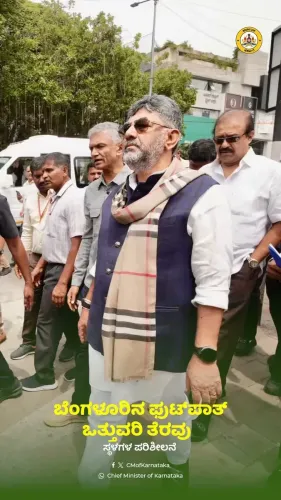
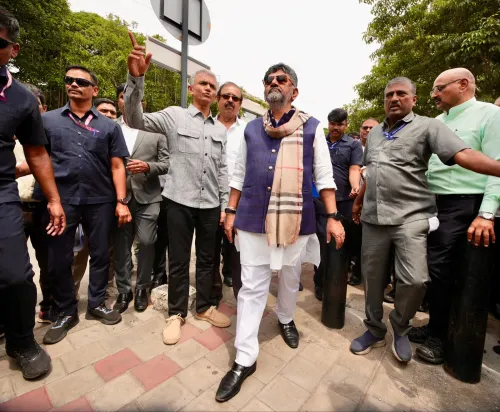
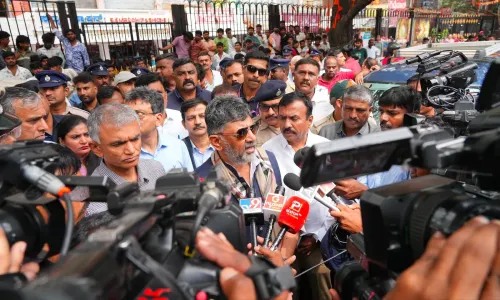
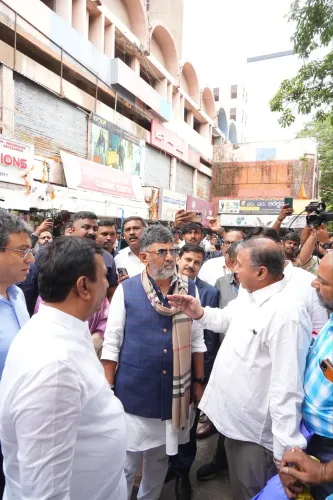
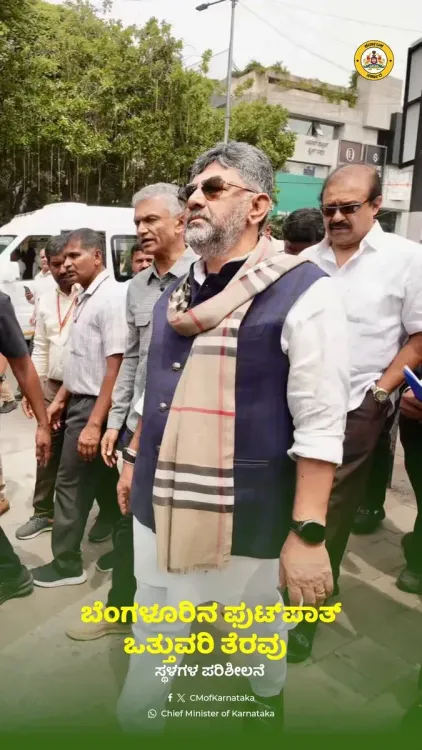
The Chief Minister's Office of Karnataka on Friday, 10 July 2026, shared visuals of Chief Minister D.K. Shivakumar personally inspecting ongoing footpath encroachment removal and repair works across multiple areas of Bengaluru, accompanied by Bengaluru Development Minister Krishna Byre Gowda.
Context
The post, shared from the official Chief Minister's Office account, shows CM Shivakumar and Minister Krishna Byre Gowda conducting an on-ground review of footpath clearance and restoration work underway in various parts of the city. The Kannada-language post describes the exercise as a direct, personal inspection of progress — 'ಖುದ್ದಾಗಿ ವೀಕ್ಷಿಸಿ, ಪ್ರಗತಿ ಪರಿಶೀಲನೆ' ('personally observed and reviewed progress'). Such direct political oversight of civic works marks a shift from the routine administrative handling of footpath issues by municipal bodies.
Policy Backdrop
Bengaluru, Karnataka's capital and India's largest IT hub, has long struggled with encroachment on public footpaths, with periodic anti-encroachment drives conducted by the Bruhat Bengaluru Mahanagara Palike (BBMP) dating back to the early 2000s. These drives have historically faced challenges around sustained enforcement and follow-through after initial clearances. The current inspection continues a broader pattern under Karnataka governments of prioritising pedestrian infrastructure upgrades in Bengaluru amid rapid urbanisation and rising commuter volumes. The approach also aligns with national urban missions that emphasise reclaiming public spaces and improving walkability in major cities.
Stakeholders and Impact
The primary beneficiaries of footpath clearance and repair drives are Bengaluru's millions of daily pedestrians, including residents, commuters, and workers who rely on public walkways that are frequently blocked by commercial encroachments, parked vehicles, and construction debris. Vendors and shop owners operating on or near footpaths are also directly affected by such enforcement actions. The involvement of both the Chief Minister and the Bengaluru Development Minister signals that the state government views pedestrian infrastructure as a priority urban governance issue rather than a purely municipal concern.
What's Next
Attention will now turn to completion timelines for the footpath works across Bengaluru wards and whether the current enforcement momentum translates into sustained clearance beyond the inspection period. Observers will also watch for any supplementary budget provisions or policy directives aimed at strengthening the BBMP's capacity to prevent re-encroachment. The direct ministerial involvement raises expectations for accountability and measurable outcomes in the weeks ahead.
Point of View
The real test will lie in enforcement durability: past anti-encroachment drives in Bengaluru have frequently unravelled within months due to weak follow-through by local bodies. If this round produces measurable, lasting clearance, it could set a new benchmark for state-municipal coordination on urban public space.
NationPress
10 Jul 2026
Frequently Asked Questions
Why did CM Shivakumar inspect Bengaluru footpaths?
CM D.K. Shivakumar personally reviewed ongoing footpath encroachment removal and repair works across Bengaluru on 10 July 2026 to assess progress and signal direct state-level accountability for the city's pedestrian infrastructure.
Who is Krishna Byre Gowda and what is his role in this inspection?
Krishna Byre Gowda is Karnataka's Bengaluru Development Minister, responsible for civic infrastructure and city projects. He accompanied CM Shivakumar during the on-ground footpath inspection on 10 July 2026.
What is the BBMP's role in Bengaluru footpath encroachment removal?
The Bruhat Bengaluru Mahanagara Palike (BBMP) is the primary municipal body responsible for footpath maintenance and anti-encroachment drives in Bengaluru, with such operations conducted periodically since the early 2000s.
Is footpath encroachment a long-standing problem in Bengaluru?
Yes, footpath encroachment has been a persistent challenge in Bengaluru for decades, with commercial encroachments, parked vehicles, and construction debris regularly blocking public walkways despite periodic clearance drives.
What happens after the footpath inspection by the Karnataka CM?
Following the inspection, observers will watch for completion timelines for works across Bengaluru wards, sustained enforcement to prevent re-encroachment, and any new budget provisions or policy directives for the BBMP.