CM Karnataka Calls for Safe, Obstacle-Free Footpaths in Bengaluru
Synopsis
The Chief Minister's Office of Karnataka on 10 July 2026 called for safe, obstacle-free footpaths in Bengaluru, arguing that pedestrian-friendly infrastructure — not just road widening — defines genuine urban development and is a shared civic responsibility.
Key Takeaways
The Chief Minister's Office of Karnataka posted on 10 July 2026 calling for safe, obstacle-free footpaths in Bengaluru .
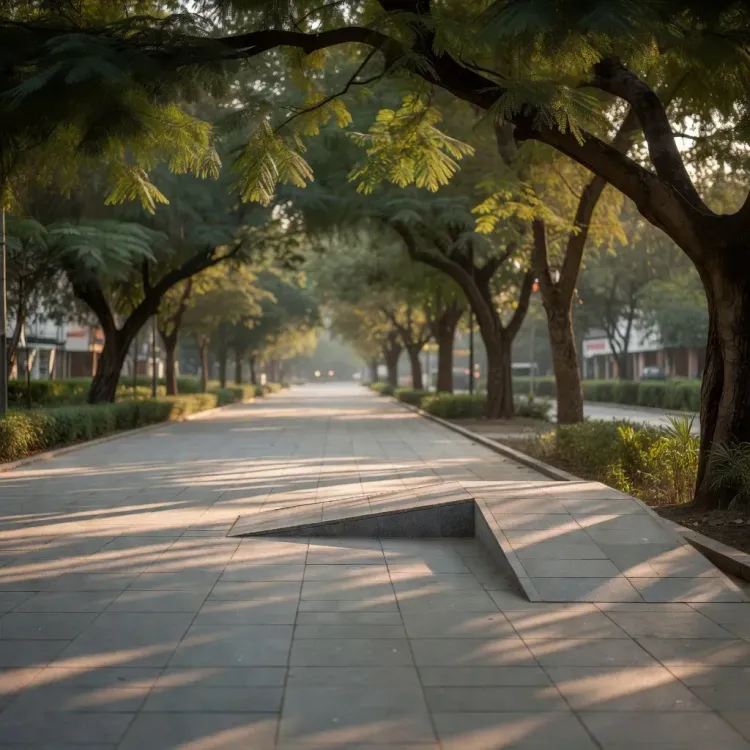
The post states that safe footpaths allow children, senior citizens, women and specially-abled persons to move with confidence.
The office explicitly said urban development is not limited to road widening — pedestrian infrastructure is equally important.
The BBMP is the civic body responsible for footpath construction and encroachment removal across Bengaluru.
Central schemes including AMRUT (launched 2015 ) and the Smart Cities Mission have allocated funds for pedestrian infrastructure in Karnataka cities.
Implementation has historically been uneven due to utility shifting, street vending and enforcement gaps.
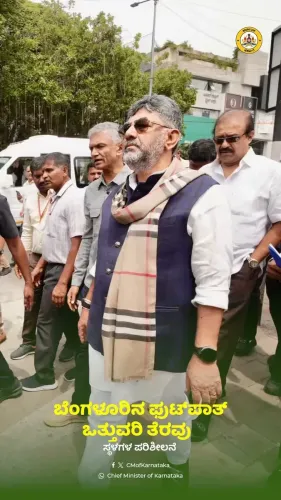
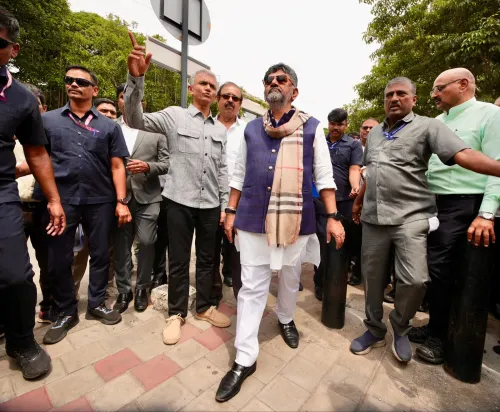
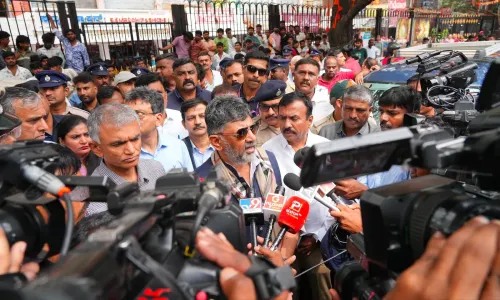
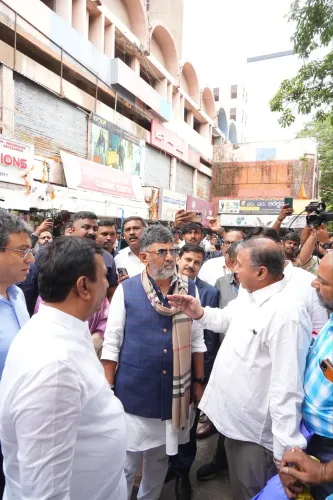
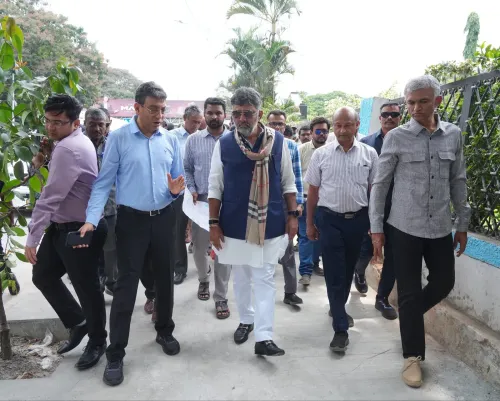
The Chief Minister's Office of Karnataka on Friday, 10 July 2026 posted a message on X stressing that pedestrian-friendly infrastructure is a shared civic responsibility, calling safe footpaths essential to Bengaluru's urban development beyond mere road widening.
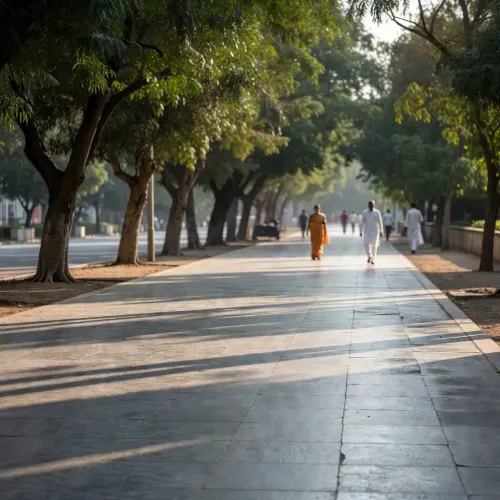
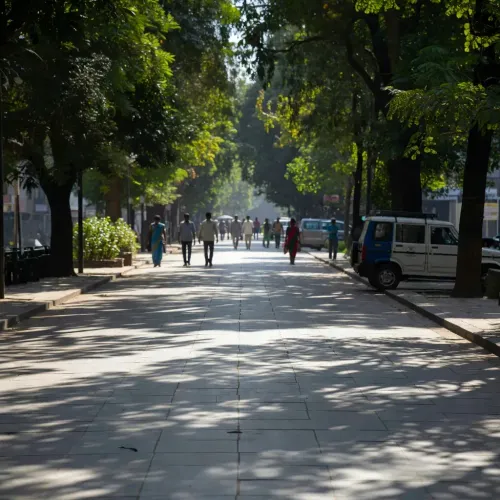
Posting in Kannada, the office stated: 'Our compassion for pedestrians is measured by our footpaths. If footpaths are safe, children, senior citizens, women and specially-abled persons can move about with confidence. A pedestrian-friendly Bengaluru is everyone's responsibility. Urban development does not mean only road widening — providing obstacle-free footpaths is equally important.'
Context
Bengaluru, Karnataka's capital and India's premier technology hub, has long struggled with footpaths encroached upon by vendors, utility infrastructure and parked vehicles. The post arrives amid growing citizen demand for walkable urban spaces, particularly for vulnerable groups such as the elderly, children, women and persons with disabilities. The Chief Minister's Office framing of pedestrian infrastructure as a marker of 'civic compassion' signals an intent to shift the public discourse away from vehicle-centric metrics.Policy Backdrop
The Bruhat Bengaluru Mahanagara Palike (BBMP), the city's civic body, holds primary responsibility for constructing, maintaining and clearing encroachments from footpaths across the city. Nationally, the Atal Mission for Rejuvenation and Urban Transformation (AMRUT), launched in 2015, has channelled funds into pedestrian infrastructure and non-motorised transport projects in Karnataka's cities. Bengaluru was also selected under the Smart Cities Mission in 2015, which included walkability and footpath redevelopment among its area-based development goals. Despite these frameworks, implementation has remained uneven — complicated by utility-line shifting, street vending and enforcement gaps.Stakeholders and Impact
The groups most directly affected by footpath quality are those who depend on walking as their primary mode of movement: children commuting to school, senior citizens, women and persons with disabilities. Inaccessible or encroached footpaths force these groups onto carriageways, raising accident risks significantly. Urban mobility advocates have repeatedly noted that Bengaluru's road-widening projects have historically come at the cost of footpath space, a pattern the Chief Minister's Office post appears to directly challenge. The message's emphasis on shared responsibility also implicitly addresses private actors — residents, commercial establishments and utility agencies — who contribute to encroachments.What's Next
Attention will now turn to BBMP tendering and project-completion timelines for footpath works under the current AMRUT tranche, as well as any legislative or administrative measures to penalise encroachments more effectively. The Chief Minister's Office framing of pedestrian infrastructure as a collective obligation — rather than a purely governmental one — may presage a public-awareness campaign or a stricter enforcement drive. Whether this statement translates into measurable on-ground progress will be the key test for Bengaluru's urban governance in the months ahead.Point of View
Making encroachment politically harder to ignore. By explicitly countering the road-widening narrative, the post signals awareness that Bengaluru's car-centric development model has become a liability with urban voters. The invocation of shared responsibility broadens accountability beyond BBMP to include private citizens and commercial actors, a move that could pre-empt criticism if enforcement falls short. Ultimately, this statement will be judged not by its language but by whether BBMP project timelines and encroachment drives follow in the weeks ahead.
NationPress
8 Oct 2026
Frequently Asked Questions
Why is the Karnataka CM talking about footpaths in Bengaluru?
The Chief Minister's Office of Karnataka posted on 10 July 2026 emphasising that safe, obstacle-free footpaths are as important as road widening for genuine urban development, and that a pedestrian-friendly Bengaluru is a shared civic responsibility.
Who is responsible for maintaining footpaths in Bengaluru?
The Bruhat Bengaluru Mahanagara Palike (BBMP) is the civic authority responsible for constructing, maintaining and clearing encroachments from footpaths across Bengaluru.
What is AMRUT and how does it help Bengaluru footpaths?
AMRUT, the Atal Mission for Rejuvenation and Urban Transformation launched in 2015, is a central government scheme that funds pedestrian infrastructure and non-motorised transport projects in Karnataka cities including Bengaluru.
Why are Bengaluru footpaths in poor condition?
Bengaluru's footpaths have long suffered from encroachments by vendors and parked vehicles, disruption from utility infrastructure work, and inconsistent enforcement — issues that have persisted despite repeated government pledges and central scheme funding.
How does poor footpath infrastructure affect vulnerable groups in Bengaluru?
When footpaths are encroached or in disrepair, children, senior citizens, women and persons with disabilities are forced onto carriageways, significantly increasing their risk of road accidents.