CM Karnataka: Footpath clearance upholds Supreme Court order
Synopsis
Karnataka's Chief Minister's Office on 10 July 2026 declared that Bengaluru's ongoing footpath encroachment clearance is mandated by the Supreme Court, calling safe walking a fundamental right and urging all citizens to cooperate in building a safer city.
Key Takeaways
The Chief Minister's Office of Karnataka confirmed on 10 July 2026 that Bengaluru's footpath clearance drive is being conducted under Supreme Court directions.
The CMO described the operation as a symbol of 'safety, discipline, and good urban governance' — not merely an administrative exercise.
Safe walking on public footpaths was framed as a ' fundamental right ' of every citizen.
The BBMP is the civic body responsible for enforcement of anti-encroachment operations across Bengaluru's zones.
The Supreme Court has issued directives on public-space protection since the 1990s , giving judicial weight to such municipal drives.
Stakeholders including street vendors and local businesses face potential displacement, raising questions about rehabilitation measures.
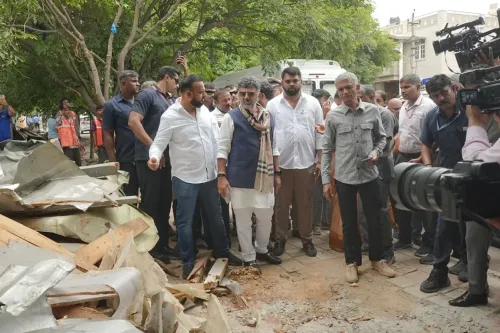
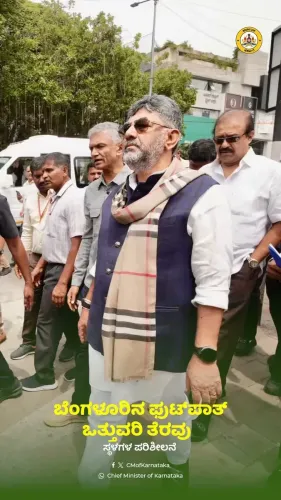
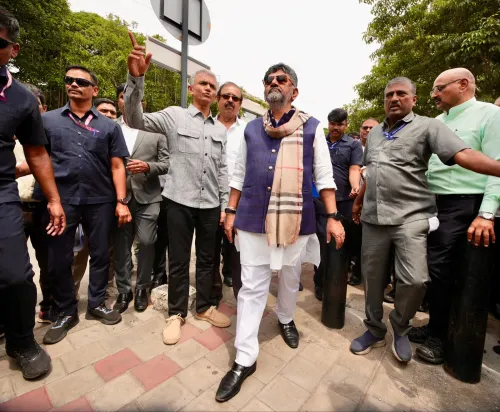
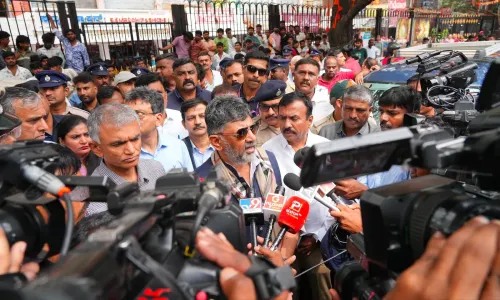
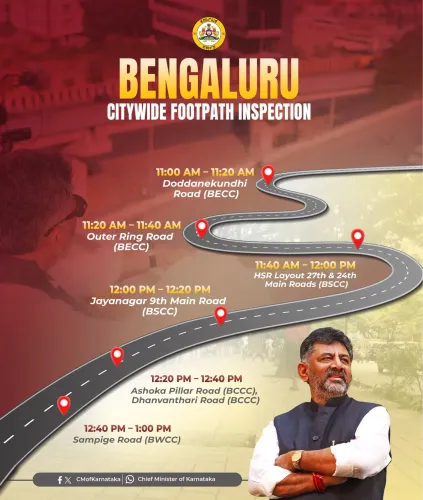
The Chief Minister's Office of Karnataka on Friday, 10 July 2026, reaffirmed that the ongoing anti-encroachment drive on Bengaluru's footpaths is being carried out in compliance with directions from the Supreme Court of India, framing the operation as a symbol of safety, discipline, and good urban governance.
The post, written in Kannada, states: 'ಫುಟ್ಪಾತ್ ಅತಿಕ್ರಮಣ ತೆರವು ಕೇವಲ ಕಾರ್ಯಾಚರಣೆ ಅಲ್ಳ' — 'Footpath encroachment removal is not merely an operation; it is a symbol of safety, discipline, and good urban governance.' The office further noted that 'safe walking is a fundamental right of every citizen' and called for the cooperation of all residents to build a safer Bengaluru.
Context
The Chief Minister's Office of Karnataka framed the clearance drive explicitly around a Supreme Court directive, signalling that the action carries judicial backing rather than being a discretionary municipal exercise. The post emphasised that public spaces must be 'returned to the public for public use' — a direct articulation of the pedestrian-rights argument that courts have long advanced.
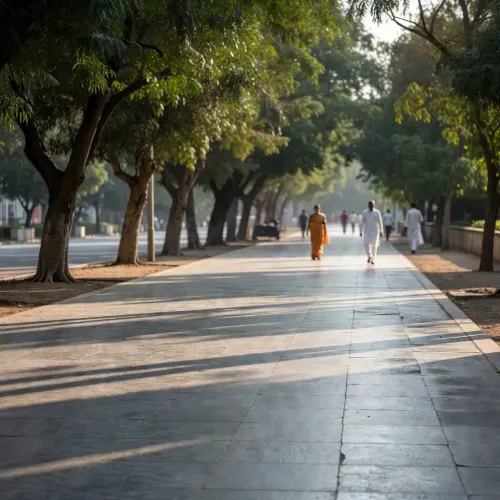
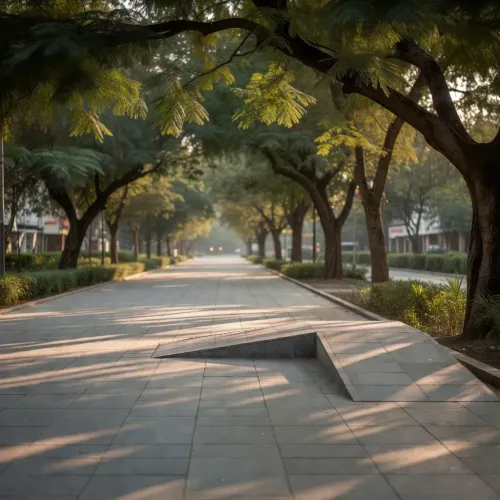
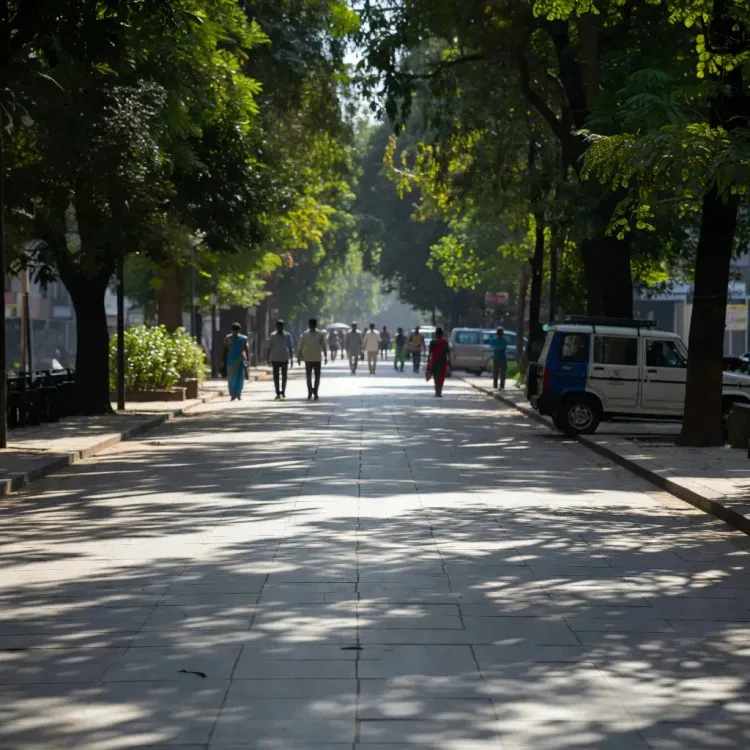
Bengaluru, Karnataka's capital and one of India's fastest-growing metros, has long grappled with footpath encroachments by vendors, parked vehicles, and informal structures, leaving pedestrians — particularly the elderly and differently abled — with little usable pavement.
Policy Backdrop
The Supreme Court of India has issued multiple directives since the 1990s and 2000s instructing municipal bodies across the country to clear illegal occupations from public footpaths and restore pedestrian access. These orders established that the right to safe passage on public infrastructure is constitutionally grounded.
The Bruhat Bengaluru Mahanagara Palike (BBMP), the city's civic body, has periodically conducted encroachment clearance drives — including in the early 2020s — to restore footpaths, though enforcement has historically faced challenges from re-encroachment and legal contestation by displaced vendors.
Stakeholders and Impact
Pedestrians, who bear the most direct risk from encroached pavements, stand to benefit most immediately from a sustained clearance drive. Wider footpaths improve safety for schoolchildren, senior citizens, and daily commuters navigating Bengaluru's dense neighbourhoods.
Street vendors and small businesses operating on or near footpaths, however, face displacement and loss of livelihood — a tension that urban governance experts say requires parallel rehabilitation measures. Local businesses in commercial corridors may also see mixed effects, with improved pedestrian flow potentially boosting footfall even as clearance disrupts existing informal arrangements.
What's Next
Attention will now turn to how consistently the drive is enforced across Bengaluru's multiple administrative zones and whether the BBMP files compliance affidavits before the Supreme Court to demonstrate progress. The broader test will be whether cleared pavements remain free of re-encroachment — a challenge that has historically undermined similar operations in Indian cities.
The government's invocation of a fundamental right to safe walking suggests it may seek to build a durable legal and public-opinion framework around pedestrian access, potentially setting the stage for stricter long-term enforcement policy in Karnataka's urban centres.
Point of View
The Chief Minister's Office of Karnataka is deploying a well-established political tactic: lending judicial legitimacy to an action that might otherwise invite pushback from displaced vendors and their political patrons. The explicit invocation of a 'fundamental right' to safe walking is a rhetorical escalation that raises the political cost of opposing the drive. This fits a broader pattern across Indian states where governments increasingly use court orders as both legal cover and public-opinion scaffolding for urban enforcement actions. The real test of intent will be whether enforcement is sustained beyond the initial sweep and whether a vendor rehabilitation plan accompanies the clearance.
NationPress
9 Oct 2026
Frequently Asked Questions
Why is Bengaluru removing footpath encroachments in 2026?
The Chief Minister's Office of Karnataka stated on 10 July 2026 that the clearance drive is being carried out in compliance with Supreme Court of India directions to restore public spaces for public use and uphold pedestrians' right to safe passage.
Which body is conducting the Bengaluru footpath anti-encroachment drive?
The Bruhat Bengaluru Mahanagara Palike (BBMP) , Bengaluru's municipal corporation, is the civic authority responsible for enforcement of anti-encroachment and footpath clearance operations across the city's zones.
Does the Supreme Court have orders on footpath encroachment in India?
Yes. The Supreme Court of India has issued multiple directives since the 1990s and 2000s directing municipal bodies to clear illegal occupations from public footpaths and restore pedestrian access, establishing safe passage as a constitutionally grounded right.
How does footpath encroachment affect Bengaluru residents?
Encroached pavements force pedestrians — including schoolchildren, senior citizens, and daily commuters — onto roads, increasing accident risk. Sustained clearance improves walkability and safety, though street vendors displaced by drives face livelihood concerns.
What happens after the Bengaluru footpath clearance drive?
Observers will watch whether the BBMP maintains cleared pavements against re-encroachment and whether the government files compliance reports before the Supreme Court . Historically, re-encroachment after initial drives has been a persistent challenge in Indian cities.