CM Bhupendra Patel Hails Gujarat's Clean Energy Lead
Synopsis
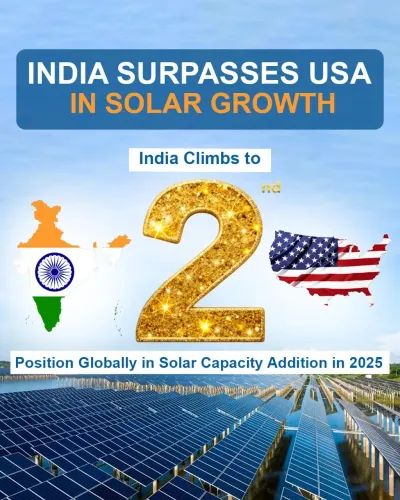
Gujarat Chief Minister Bhupendra Patel on 10 July 2026 highlighted the state's leading role in India's clean energy drive, citing advances in solar, wind, and green hydrogen and connecting them to PM Modi's vision of a self-reliant, developed India by 2030.
Key Takeaways
CM Bhupendra Patel on 10 July 2026 declared Gujarat a frontrunner in India's clean energy transformation.
Gujarat has had renewable energy policies in place since 2007 (wind) and 2009 (solar), giving it a multi-decade head start.
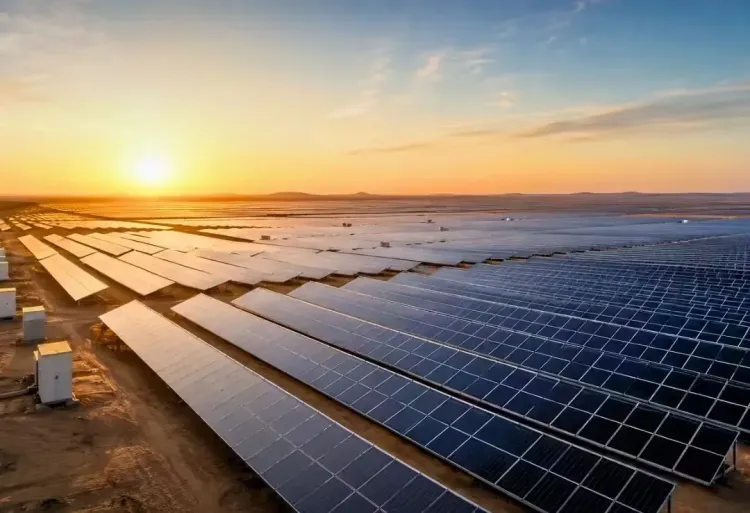
The 600 MW Charanka Solar Park , commissioned in 2012 , remains one of India's landmark utility-scale solar projects.
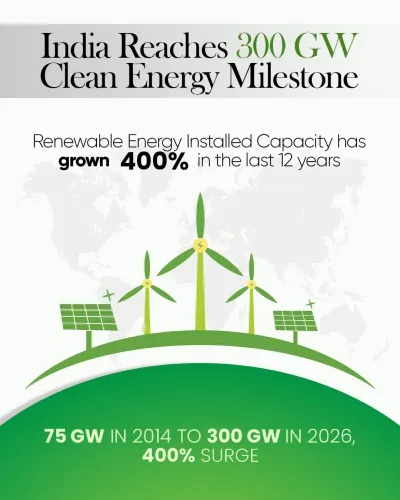
India's installed renewable capacity grew from approximately 76 GW in 2014 to over 180 GW by early 2024 .
The National Green Hydrogen Mission carries an outlay of Rs 19,744 crore and designates Gujarat as a hub site.
India's overarching target is 500 GW of non-fossil fuel electricity capacity by 2030 , pledged at COP26 .
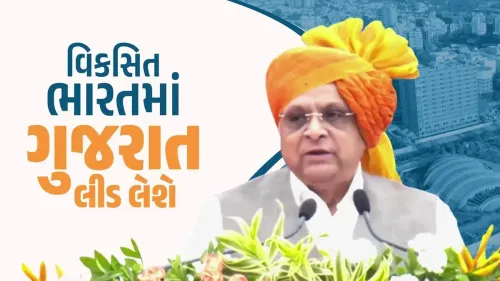
Gujarat Chief Minister Bhupendra Patel on Friday, 10 July 2026 highlighted the state's growing role in India's renewable energy transformation, crediting the leadership of Prime Minister Narendra Modi and pointing to Gujarat's advances in solar, wind, and green hydrogen as benchmarks for the nation's clean energy ambitions.
Context
In his post, CM Patel described the moment as 'a proud milestone in India's clean energy journey,' stating that India is 'rapidly emerging as a global leader in clean and sustainable energy.' He singled out Gujarat as being 'at the forefront of this transformation through pioneering renewable energy initiatives, setting new benchmarks in solar, wind and green hydrogen.'
The Chief Minister framed the state's progress within the broader national vision, invoking the goal of a Viksit Bharat — a developed India — powered by sustainable growth. The remarks reflect the ruling BJP's consistent messaging on energy self-reliance as a pillar of economic development.
Policy Backdrop
Gujarat has been a frontrunner in Indian renewable energy policy since issuing its first solar policy in 2009 and wind policy in 2007, creating early frameworks that attracted large-scale private investment. The state is home to the 600 MW Charanka Solar Park, one of India's earliest utility-scale solar installations, commissioned in 2012.
At the national level, India committed at COP26 in Glasgow in November 2021 to achieving 500 GW of non-fossil fuel electricity capacity by 2030. The country's installed renewable capacity grew from approximately 76 GW in 2014 to over 180 GW by early 2024, with states such as Gujarat contributing significantly to that trajectory.
On green hydrogen, the National Green Hydrogen Mission — approved by the central government in 2023 with an outlay of Rs 19,744 crore — identified Gujarat as a designated site for one of the initial green hydrogen hubs, underlining the state's strategic importance in this emerging sector.
Stakeholders and Impact
Renewable energy project developers operating in Gujarat stand to benefit from continued state-level policy support, particularly as green hydrogen moves from pilot to commercial scale. Large industrial consumers in the state — among the highest in India — are potential early adopters of green hydrogen as a feedstock and fuel.
For the broader energy ecosystem, Gujarat's experience in blending solar, wind, and emerging hydrogen technologies offers a replicable model for other states working toward the 2030 national capacity target. The Chief Minister's statement reinforces the political commitment that underpins continued budgetary and regulatory support at both state and central levels.
What's Next
Attention will now turn to state-level allocation of green hydrogen pilot projects under the National Green Hydrogen Mission and progress disclosures in forthcoming central and state budget reviews. Gujarat's ability to translate policy ambition into commissioned capacity — particularly in green hydrogen, where commercial viability remains a work in progress nationally — will be closely watched by investors and policymakers alike.
As India approaches the midpoint of its decade-long clean energy push, statements from key state leaders like CM Patel signal that the political consensus around the 500 GW target remains firm, even as the engineering and financing challenges of the final stretch grow more complex.
Point of View
Anchoring Gujarat's renewable record to PM Modi's national narrative ahead of what are likely to be competitive inter-state rankings on clean energy delivery. By invoking solar, wind, and green hydrogen in a single statement, Patel signals that Gujarat intends to remain the reference state for India's energy transition — a status with real fiscal and investment implications. The mention of 'Viksit Bharat' ties routine infrastructure progress to the BJP's overarching electoral and governance brand, making clean energy a patriotic as much as a policy achievement. Watching whether green hydrogen pilot allocations actually land in Gujarat on schedule will be the real test of whether this rhetoric is backed by execution.
NationPress
9 Oct 2026
Frequently Asked Questions
What did Gujarat CM Bhupendra Patel say about clean energy on 10 July 2026?
CM Bhupendra Patel said Gujarat is 'at the forefront' of India's clean energy transformation, citing the state's progress in solar, wind, and green hydrogen under PM Modi's leadership.
What is India's renewable energy target by 2030?
India pledged at COP26 in Glasgow in November 2021 to achieve 500 GW of non-fossil fuel electricity capacity by 2030.
What is the National Green Hydrogen Mission and how does Gujarat fit in?
The National Green Hydrogen Mission is a central scheme approved in 2023 with an outlay of Rs 19,744 crore to build green hydrogen production and export capacity; Gujarat is designated as one of the initial hub sites.
How much renewable energy capacity does India have?
India's installed renewable capacity grew from approximately 76 GW in 2014 to over 180 GW by early 2024, with Gujarat among the top contributing states.
What is the Charanka Solar Park in Gujarat?
The Charanka Solar Park is a 600 MW utility-scale solar installation in Gujarat commissioned in 2012, one of India's earliest and largest solar projects.