What is the Gujarat Integrated Renewable Energy Policy-2025?
Synopsis
Discover how Gujarat is revolutionizing renewable energy with the launch of the Integrated Renewable Energy Policy-2025, aimed at making the state a clean energy hub. This policy promises to enhance investments and innovations, ensuring a sustainable future for all.
Key Takeaways
Gujarat Integrated Renewable Energy Policy-2025 aims for a substantial increase in renewable energy capacity.
Focus on Battery Energy Storage Systems (BESS) for grid stability.
Relaxed timelines for project commissioning.
Support for innovative renewable technologies, including ocean and geothermal energy.
Encouragement of private sector participation in the green energy sector.
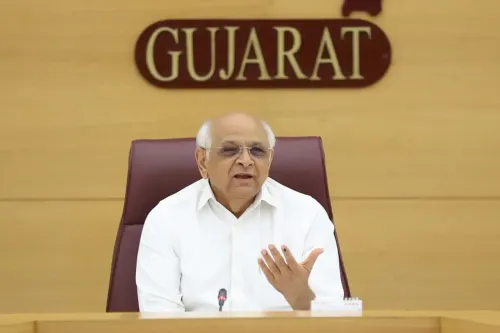
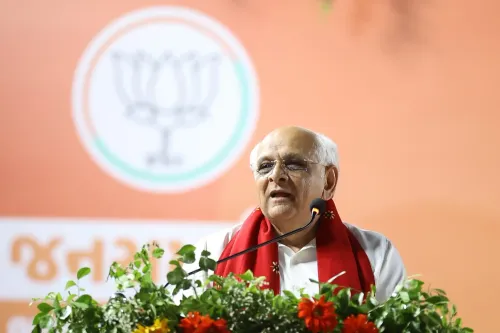
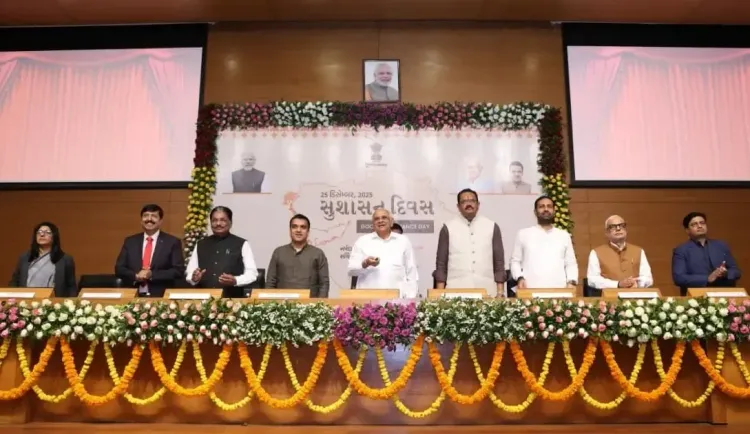
Gandhinagar, Dec 25 (NationPress) Strengthening Gujarat's dedication to clean and sustainable energy, Chief Minister Bhupendra Patel unveiled the Gujarat Integrated Renewable Energy Policy-2025 during a state-level event in Gandhinagar.
The event coincided with the national observance of Good Governance Day on December 25, celebrating the birth anniversary of former Prime Minister Atal Bihari Vajpayee.
This policy underscores Gujarat's comprehensive vision for creating a clean, resilient, and future-oriented energy system, with a significant emphasis on renewable energy, battery storage, and innovative technologies to expedite green growth.
Framed under the leadership of the Chief Minister, along with energy leaders Rushikesh Patel and Kaushik Vekariya, this policy addresses climate change challenges while ensuring a swift transition to sustainable energy.
In alignment with India's Panchamrit commitments, Nationally Determined Contributions (NDCs), and the vision of Viksit Gujarat @2047, the policy aspires to position Gujarat as a globally competitive clean energy hub.
By fostering investments, innovation, and grid stability, it builds upon the state's leadership in the renewable energy sector, significantly contributing to India's goal of achieving 500 GW of non-fossil fuel-based energy capacity by 2030.
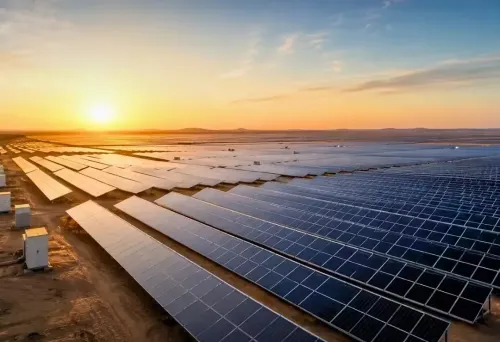
Gujarat has set an ambitious target of exceeding 100 GW of renewable energy capacity by 2030.
A cornerstone of the RE Policy-2025 is the promotion and integration of Battery Energy Storage Systems (BESS) to facilitate large-scale renewable energy integration and bolster grid stability. The policy encourages grid-connected and co-located BESS projects with solar, wind, and hybrid plants.
The strategic deployment of BESS for transmission assistance, grid ancillary services, and support for distribution utilities and end users is envisioned, with locations to be determined by GEDA in collaboration with GETCO, SLDC, and DISCOMs.
This policy introduces substantial relaxations in commissioning timelines for renewable energy projects, especially for captive and third-party sale projects.
Commissioning timelines for evacuation infrastructure have been rationalized based on voltage levels rather than project capacity, with additional time allocated for project and evacuation line commissioning to facilitate implementation.
In accordance with the National Repowering Policy, the RE Policy–2025 establishes a supportive framework for wind repowering and refurbishment. Existing wind turbine generators can be repowered or refurbished without mandatory dismantling, with timelines extended up to 24 months.
Incentives include extensions of existing Power Purchase Agreements (PPAs) during the repowering phase, waivers of transmission charges on unused capacity during the transition, prioritization for enhanced renewable connectivity, and relaxations in micro-siting standards.
The policy also enables on-demand renewable energy connectivity through the Akshay-Urja-Setu portal and supports new transmission initiatives in renewable-rich areas.
Provisions allowing ownership transfers of projects under previous frameworks and extensions of timelines for already approved projects ensure continuity and bolster investor confidence.
Importantly, the policy promotes emerging and innovative renewable energy technologies to diversify Gujarat's clean energy portfolio, including ocean energy, geothermal energy, concentrated solar thermal (CST), building-integrated photovoltaics (BIPV), rail and road-integrated PV applications, agrivoltaics, and vertical-axis wind turbines, to be supported through pilot initiatives.
Additionally, the policy fortifies rooftop and distributed renewable energy, encourages private sector engagement and startups, and integrates employment generation and skill development initiatives within the green energy sector.
Collectively, these strategies aim to establish Gujarat as a stable, investor-friendly, and future-ready renewable energy ecosystem.
Point of View
The launch of the Gujarat Integrated Renewable Energy Policy-2025 reflects a significant commitment to sustainable energy solutions. It aligns with broader national goals for clean energy and positions Gujarat as a leader in the transition towards a greener future, showcasing the importance of innovation and investment in combating climate change.
NationPress
22 Oct 2026
Frequently Asked Questions
What is the Gujarat Integrated Renewable Energy Policy-2025?
It's a policy aimed at promoting renewable energy, battery storage, and innovative technologies to create a sustainable energy system in Gujarat.
What are the main goals of the policy?
The policy aims to exceed 100 GW of renewable energy capacity by 2030 and position Gujarat as a clean energy hub.
How does the policy support battery energy storage?
It promotes the integration of Battery Energy Storage Systems (BESS) to enhance grid stability and renewable energy integration.
What incentives does the policy offer?
The policy offers relaxations in commissioning timelines, extensions of existing PPAs, and support for innovative renewable technologies.
How does this policy align with national goals?
It aligns with India’s Panchamrit commitments and the target of achieving 500 GW of non-fossil fuel-based energy capacity by 2030.