CM Shivakumar Inspects HSR Layout Footpaths in Bengaluru
Synopsis
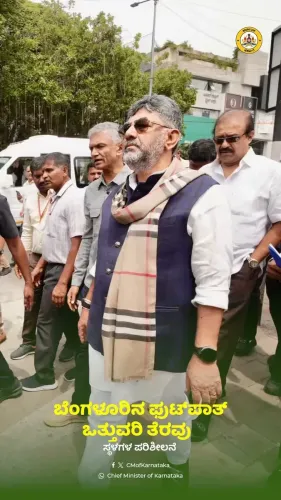
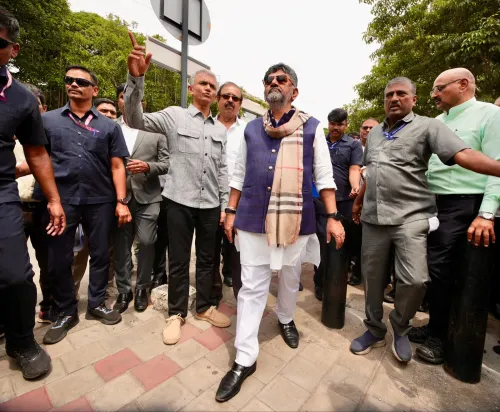
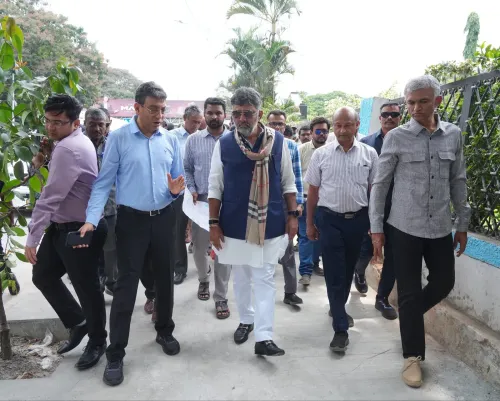
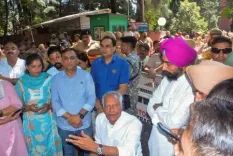
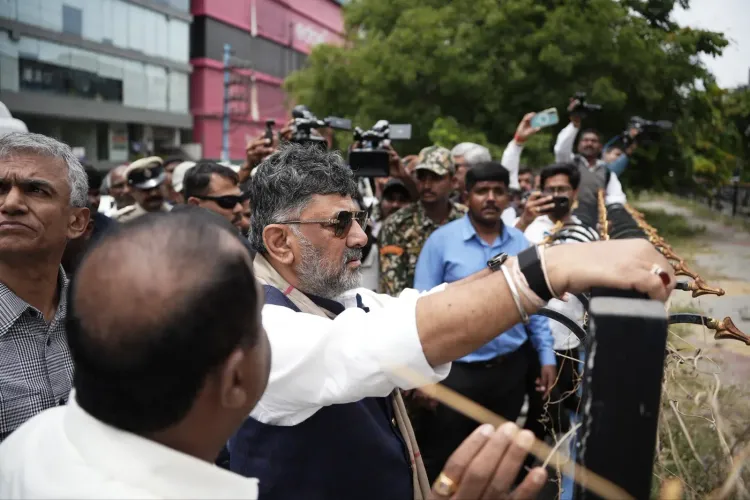
Chief Minister D. K. Shivakumar personally inspected pedestrian footpaths at HSR Layout in Bengaluru on 10 July 2026, joined by Greater Bengaluru Development Minister Krishna B. Gowda, stressing the need for clean, obstruction-free, and accessible walkways in the densely populated locality.
Key Takeaways
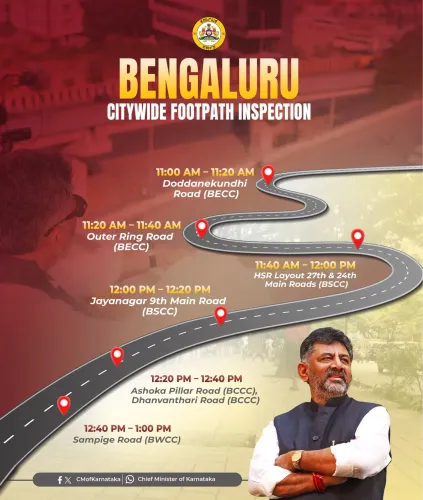
Shivakumar conducted a ground inspection of footpaths at HSR Layout , south Bengaluru, on 10 July 2026 .
Greater Bengaluru Development Minister Krishna B.
Gowda accompanied the Chief Minister along with senior officials.
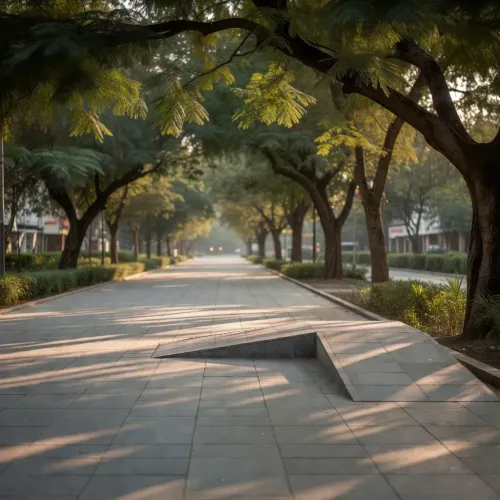
The inspection focused on the condition of pedestrian pathways and the need for them to be clean, obstruction-free, and accessible.
The BBMP is the civic body responsible for footpath construction and maintenance across Bengaluru's wards.
The visit follows a broader Karnataka government pattern of incremental pedestrian infrastructure upgrades in high-density Bengaluru localities.
Follow-up anti-encroachment drives or budget allocations for HSR Layout and neighbouring wards are anticipated.
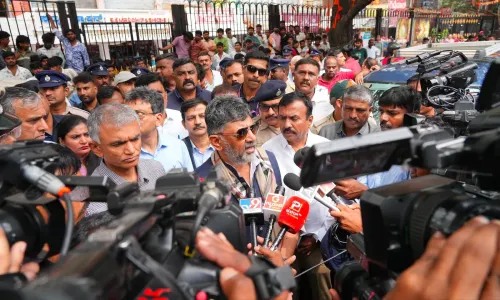
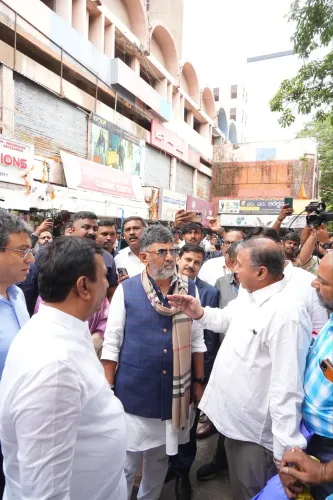
The Chief Minister's Office of Karnataka announced on Friday, 10 July 2026, that Chief Minister Shri D. K. Shivakumar conducted a ground-level inspection of pedestrian footpaths at HSR Layout in south Bengaluru, accompanied by Greater Bengaluru Development Minister Shri Krishna B. Gowda and senior officials.
What the Inspection Covered
The inspection reviewed the physical condition of pedestrian pathways across the HSR Layout area. According to the Chief Minister's Office, the visit emphasised the need for footpaths that are 'clean, obstruction-free, and accessible' — signalling a direct push from the state's top executive to address longstanding walkability concerns in one of Bengaluru's densely populated residential and commercial zones.
The presence of Greater Bengaluru Development Minister Krishna B. Gowda alongside the Chief Minister underlines that the inspection was not ceremonial but tied to the state's active urban governance mandate for the city.
Context
HSR Layout is a planned locality in south Bengaluru developed by the Bangalore Development Authority (BDA) from the 1980s onward. Over the decades it has grown into a high-density residential and commercial hub, making pedestrian infrastructure a critical daily-use concern for thousands of residents and workers.
The Bruhat Bengaluru Mahanagara Palike (BBMP), the city's primary civic body, holds responsibility for constructing and maintaining footpaths across Bengaluru's wards. The BBMP undertook systematic footpath redevelopment and encroachment-removal programmes across the city from 2015 onward, though chronic problems of illegal occupation of footpaths, uneven surfaces, and missing slabs have persisted in many neighbourhoods.
Policy Backdrop
Successive Karnataka governments have treated pedestrian infrastructure as part of wider urban renewal drives aimed at improving safety and reducing dependence on motorised transport in Bengaluru, India's largest technology hub. Walkability improvements are also increasingly linked to traffic decongestion goals, given the city's notorious road congestion.
D. K. Shivakumar, a senior Karnataka Congress leader, has held oversight of Bengaluru urban matters in various capacities. A Chief Minister-level inspection of footpaths in a specific locality signals an intent to hold civic agencies accountable at the ward level, beyond policy announcements.
Stakeholders and Impact
The most immediate beneficiaries of any follow-up action would be pedestrians and daily commuters in HSR Layout and neighbouring wards. Residents, shopkeepers, and differently-abled individuals who rely on accessible footpaths stand to gain from encroachment removal and surface repairs.
The inspection also puts the BBMP on notice: a ministerial visit of this nature typically precedes formal directions to civic officials to submit action plans or compliance reports within a defined timeframe.
What's Next
The key question is whether the inspection translates into concrete follow-up orders — including footpath widening, anti-encroachment drives, or dedicated budget allocations for HSR Layout and adjoining wards in the next BBMP or state budget cycle. Any such directives, if issued, would set a benchmark for similar pedestrian infrastructure reviews across Bengaluru's other high-density localities.
Point of View
Who has long positioned himself as the political custodian of Bengaluru's urban development, the inspection also carries electoral optics in a city where middle-class voter frustration over broken footpaths and encroachments runs high. The real test will be whether formal directions and timelines follow, or whether the visit remains a one-day headline.
NationPress
8 Oct 2026
Frequently Asked Questions
Why did CM Shivakumar inspect footpaths at HSR Layout?
Chief Minister D. K. Shivakumar inspected footpaths at HSR Layout on 10 July 2026 to review the condition of pedestrian pathways and emphasise the need for clean, obstruction-free, and accessible walkways in the area.
Who accompanied CM Shivakumar during the HSR Layout footpath inspection?
Greater Bengaluru Development Minister Shri Krishna B. Gowda and senior government officials accompanied Chief Minister Shivakumar during the inspection.
What is HSR Layout and why are its footpaths significant?
HSR Layout is a planned residential and commercial locality in south Bengaluru developed by the Bangalore Development Authority from the 1980s. Its dense population makes pedestrian infrastructure a critical daily-use concern for thousands of residents and workers.
Which body is responsible for Bengaluru footpath maintenance?
The Bruhat Bengaluru Mahanagara Palike (BBMP) is the civic body responsible for constructing and maintaining footpaths across Bengaluru's wards.
What action is expected after the HSR Layout footpath inspection?
The inspection is expected to be followed by formal directions to BBMP officials, potentially including anti-encroachment drives, footpath repairs, and budget allocations for HSR Layout and neighbouring wards.