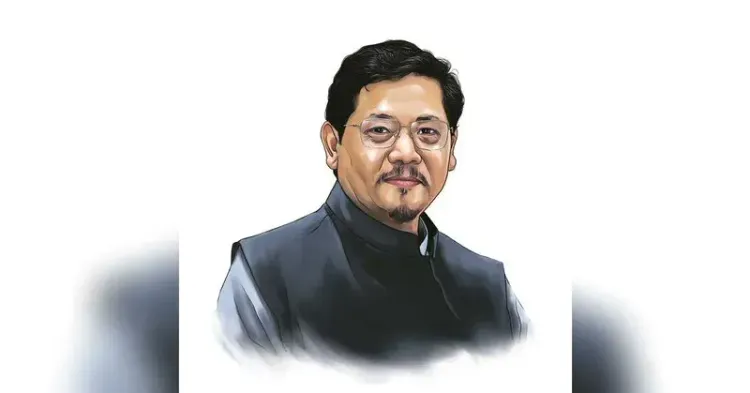
CM Conrad Sangma on Meghalaya's growth: jobs at home, dignity in villages
Synopsis
Meghalaya Chief Minister Conrad Sangma on 10 July 2026 articulated a people-first economic vision — centred on local careers, village-level earnings, and inclusive community growth — reaffirming his administration's core priority of curbing youth out-migration from the state.
Key Takeaways
Meghalaya Chief Minister Conrad Sangma shared his economic vision on 10 July 2026 , prioritising local employment and rural dignity.
Sangma defined 'real progress' as young people building careers without leaving home and families earning in their own villages.
Meghalaya has faced persistent youth out-migration due to limited local employment and a narrow private-sector base.
The Sangma government has sought enhanced central assistance under the Act East Policy framework since 2018 .
Improved rail and road connectivity was a key demand raised during 2023-24 Union Budget consultations.
The next state budget and central project approvals will be the key indicators of whether this vision translates into policy action.
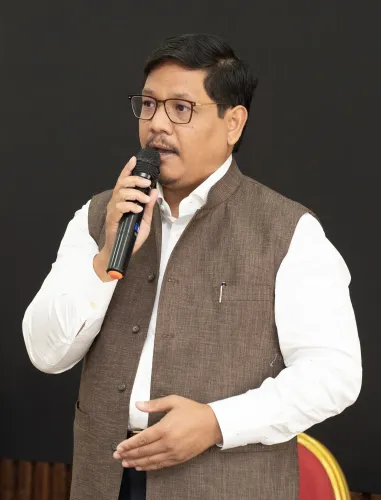
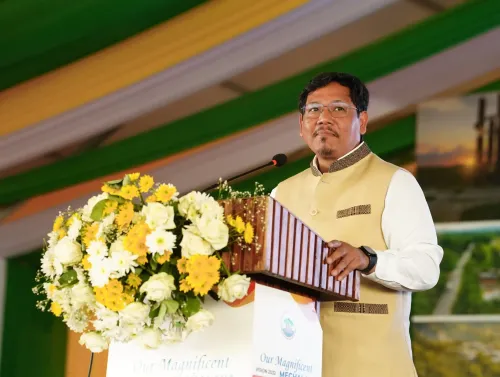
Meghalaya Chief Minister Conrad Sangma on Friday, 10 July 2026, shared his vision for the state's economic future, emphasising local employment, rural livelihoods, and inclusive community growth. Speaking to a national business publication in an interview, Sangma framed progress not in macro-economic abstractions but in the lived reality of young people who can build careers without leaving home and families earning with dignity in their own villages.
In his post on X, Sangma wrote: 'For me, real progress is simple: a young person who can build a career without leaving home, a family earning with dignity in their own village, communities that are part of our growth, not left behind.' He added, 'A long way still to go, but this is your journey as much as mine. Together, we will get there.'
Context
Meghalaya is a predominantly tribal state in Northeast India that has historically faced structural economic constraints — difficult terrain, limited private investment, and heavy dependence on central government transfers. One of the most persistent challenges has been youth out-migration, with educated young people leaving the state to seek employment in larger cities.
Sangma, who has served as Chief Minister since 2018 and is also the national president of the National People's Party (NPP), has consistently positioned local job creation as the central metric of his administration's success. His latest remarks reinforce that framing, signalling that this remains the defining policy priority of his tenure.
Policy Backdrop
The Sangma government has, since 2018, repeatedly sought enhanced central assistance under the Act East Policy framework — a national initiative aimed at integrating Northeastern states more deeply into India's economic and diplomatic engagement with Southeast Asia. Improved rail and road connectivity has been a recurring demand, particularly as a lever to reduce youth out-migration.
During 2023-24 Union Budget consultations, Meghalaya formally highlighted these connectivity gaps. The broader pattern across Northeastern states has been one of cooperative federalism — state governments making programmatic demands on the Centre while framing local job creation and reduced migration as shared national goals, not merely regional ones.
Stakeholders and Impact
The constituencies Sangma explicitly invokes — youth, rural families, and village communities — represent the demographic core of Meghalaya's tribal population. For these groups, the absence of local economic opportunity has meant a difficult choice between cultural rootedness and economic mobility.
Village-level economies in Meghalaya remain heavily dependent on agriculture and informal activity. Any expansion of formal employment — whether through infrastructure projects, skill development, or private investment — would directly affect these communities. Sangma's public framing of 'communities that are part of our growth, not left behind' signals an intent to ensure that growth, when it comes, is geographically and socially distributed.
What's Next
The immediate marker to watch is the next Meghalaya state budget presentation, which will indicate whether the rhetorical commitment to local employment translates into specific allocations. Equally significant will be any announcements from the Government of India regarding central project approvals or special assistance packages for the state.
Sangma's public framing — 'this is your journey as much as mine' — suggests he is also building a political compact with citizens, anchoring accountability to outcomes that are tangible and local rather than statistical. Whether that compact is backed by new policy instruments or funding will determine its credibility in the months ahead.
Point of View
A family earning in their own village — is a deliberate political positioning that sidesteps abstract GDP language in favour of outcomes tribal communities in Meghalaya can directly relate to. It also reflects the structural reality of Northeastern states, where the Centre's fiscal and programmatic support remains indispensable, making the 'robust partnership with the Centre' framing both a policy necessity and a political signal. By publicly declaring 'this is your journey as much as mine,' Sangma is setting a citizen-accountability benchmark that will be tested at the next budget and election cycle. The durability of this compact depends on whether central approvals and state allocations follow the rhetoric.
NationPress
9 Oct 2026
Frequently Asked Questions
What did Meghalaya CM Conrad Sangma say about the state's economy?
Sangma said real progress means young people building careers without leaving home and families earning with dignity in their own villages, framing local employment and inclusive community growth as the core measures of Meghalaya's development.
What is the main economic challenge facing Meghalaya?
Meghalaya faces persistent youth out-migration driven by limited local employment, difficult terrain, a narrow private-sector base, and heavy dependence on central government transfers for development funding.
What is the Act East Policy and how does it affect Meghalaya?
The Act East Policy is a national initiative to integrate Northeastern states into India's economic and diplomatic engagement with Southeast Asia. The Sangma government has sought enhanced central funding under this framework since 2018, particularly for road and rail connectivity.
Who is Conrad Sangma and which party does he lead?
Conrad Sangma is the Chief Minister of Meghalaya, serving since 2018, and the national president of the National People's Party (NPP), a regional party representing tribal interests in the Northeast that was founded in 2013.
What should we watch for next regarding Meghalaya's economic development?
The next Meghalaya state budget presentation and any central government announcements on project approvals or special assistance packages for the state will be the key indicators of whether Sangma's vision translates into concrete policy action.