CM Mohan Yadav Pledges MP's Role in Nasha Mukt Bharat Drive
Synopsis
Madhya Pradesh Chief Minister Dr. Mohan Yadav on 10 July 2026 declared the state's readiness to advance the national Nasha Mukt Bharat Abhiyan, aligning with the Central government's campaign to achieve a drug-free India by 2029.
Key Takeaways
Mohan Yadav , Chief Minister of Madhya Pradesh , publicly committed the state to the Nasha Mukt Bharat Abhiyan on 10 July 2026 .
The campaign, launched on 15 August 2020 , is coordinated by the Ministry of Social Justice and Empowerment and targets a drug-free India by 2029 .
Madhya Pradesh is a key implementing state given its size and youth population.
State social welfare departments are the primary operational arms for executing the Abhiyan at the ground level.
The commitment raises expectations for a formal state action plan and measurable de-addiction targets ahead of the 2029 deadline.
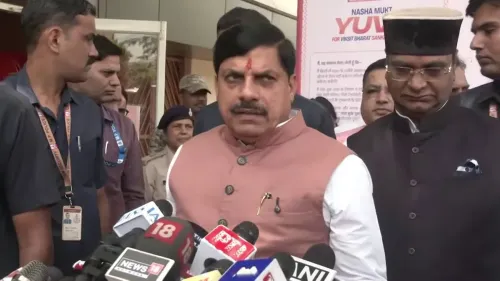
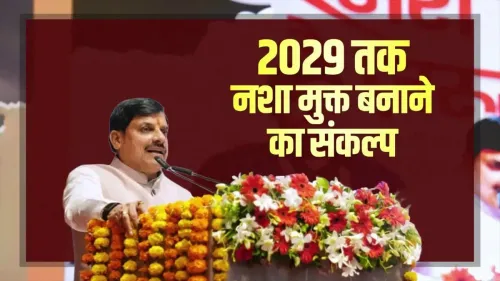
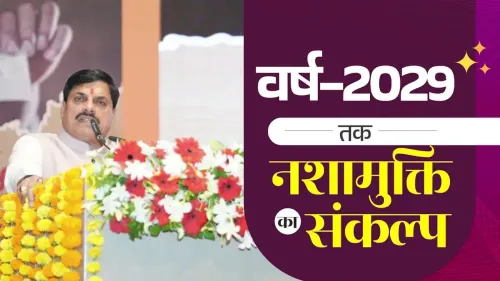
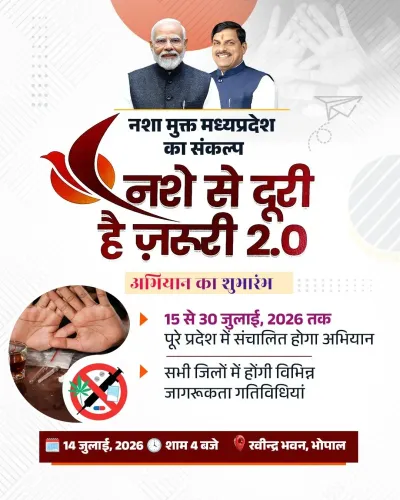
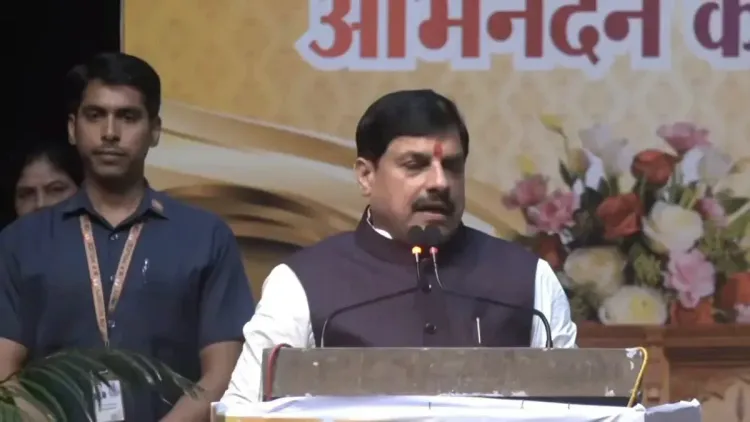
Madhya Pradesh Chief Minister Dr. Mohan Yadav on Friday, 10 July 2026, declared that Madhya Pradesh is ready to march in step with the national Nasha Mukt Bharat (Drug-Free India) campaign, reaffirming the state's commitment to the drive ahead of its 2029 goal.
Posting on X, the Chief Minister wrote: 'वर्ष 2029 तक नशा मुक्त भारत के अभियान में मध्यप्रदेश भी कदम से कदम मिलाकर आगे बढ़ने को तैयार है' — translating to: 'Madhya Pradesh is ready to move forward, step by step, in the campaign for a drug-free India by the year 2029.'
Context
The Nasha Mukt Bharat Abhiyan is a national anti-drug abuse campaign coordinated by the Ministry of Social Justice and Empowerment, launched on 15 August 2020. The campaign mobilises states, districts, and community organisations to combat narcotics and substance abuse through awareness, outreach, and rehabilitation. Madhya Pradesh, a large central Indian state, has a significant role to play given its geographic spread and youth population.
Policy Backdrop
The Ministry of Social Justice and Empowerment has consistently urged state governments to align their administrative machinery with the Abhiyan's goals, including identifying high-vulnerability districts and setting up de-addiction infrastructure. BJP-governed states have frequently reiterated their commitment to such national welfare campaigns, often framing them as extensions of the Central government's social-policy agenda. Dr. Yadav's statement fits within this broader pattern of state-level endorsement of flagship Central schemes.
Madhya Pradesh has been under BJP governance for most of the period since 2003. The state's social welfare departments are among the implementing arms for Central schemes on health and community welfare, making coordination with the Ministry critical for on-ground outcomes.
Stakeholders and Impact
The primary beneficiaries of the Nasha Mukt Bharat Abhiyan are youth and vulnerable communities susceptible to substance abuse. State social welfare departments bear the operational responsibility of running awareness drives, operating de-addiction centres, and reporting progress to the Central government. A firm commitment from the Chief Minister signals that Madhya Pradesh's administrative apparatus is expected to prioritise these activities in the lead-up to 2029.
Community organisations, schools, and local self-government bodies are also key stakeholders, as the campaign depends on grassroots mobilisation to reach populations in rural and semi-urban areas across the state.
What's Next
Attention will now turn to whether Madhya Pradesh submits or updates a formal state action plan to the Ministry of Social Justice and Empowerment outlining specific targets, timelines, and budgetary allocations. National review meetings on de-addiction targets under the Abhiyan will be a key forum for assessing how states translate such public commitments into measurable outcomes. Dr. Yadav's declaration sets an expectation of active participation that the state administration will be held to as 2029 approaches.
Point of View
Budgetary allocations, and district-level implementation before the 2029 deadline. Observers of social welfare governance will watch for concrete deliverables rather than policy statements alone.
NationPress
9 Oct 2026
Frequently Asked Questions
What is the Nasha Mukt Bharat Abhiyan?
The Nasha Mukt Bharat Abhiyan is a national anti-drug abuse campaign launched on 15 August 2020 by the Ministry of Social Justice and Empowerment to mobilise states against narcotics and substance abuse through awareness, outreach, and rehabilitation programmes.
What did Madhya Pradesh CM Mohan Yadav say about the drug-free India campaign?
CM Dr. Mohan Yadav stated that Madhya Pradesh is ready to move forward step by step in the campaign for a drug-free India by 2029, reaffirming the state's commitment to the Nasha Mukt Bharat Abhiyan.
What is the 2029 target for Nasha Mukt Bharat?
The Nasha Mukt Bharat Abhiyan has set 2029 as a goal year for achieving a drug-free India, with states expected to align their administrative and welfare machinery to meet de-addiction and awareness targets by then.
Which ministry oversees the Nasha Mukt Bharat Abhiyan?
The Ministry of Social Justice and Empowerment coordinates the Nasha Mukt Bharat Abhiyan at the national level, working with state governments to implement de-addiction and awareness programmes.
How is Madhya Pradesh involved in anti-drug campaigns?
Madhya Pradesh, through its state social welfare departments, is an implementing partner for the Nasha Mukt Bharat Abhiyan, responsible for running awareness drives, operating de-addiction centres, and reporting progress to the Central government.