Vaishnaw hails TBM Durga breakthrough on Kolkata Metro Purple Line
Synopsis
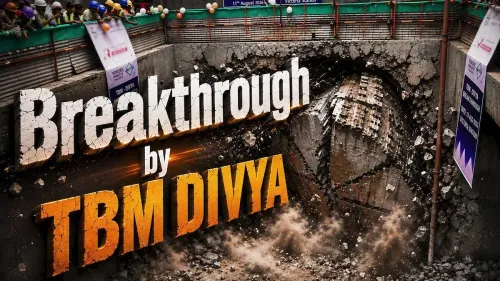
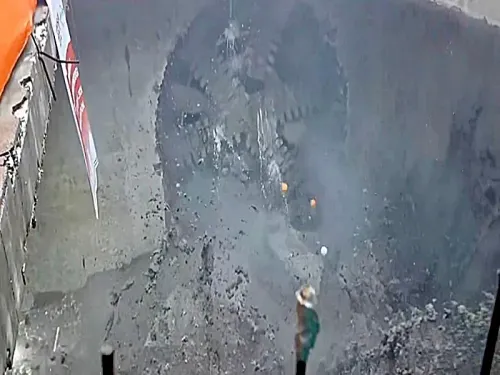
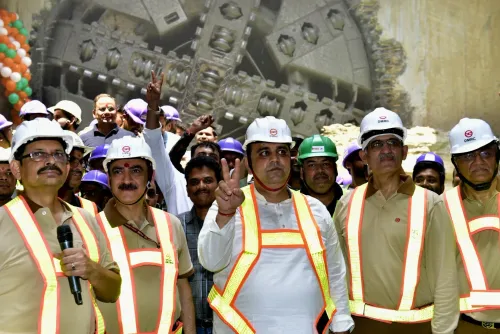
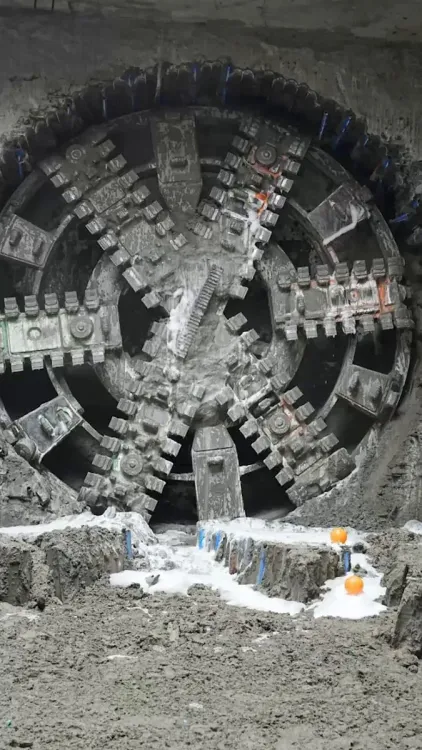
Tunnel Boring Machine Durga has achieved a breakthrough on Kolkata Metro's Purple Line, Union Minister Ashwini Vaishnaw announced on 10 July 2026, hailing the feat as a demonstration of engineering excellence and congratulating the construction team.
Key Takeaways
TBM Durga achieved a tunnelling breakthrough on the Purple Line of Kolkata Metro , a key construction milestone.
Union Minister Ashwini Vaishnaw announced the development on 10 July 2026 via X, congratulating the engineering team.
Kolkata Metro is India's first underground metro system, operational since October 1984 .
The Purple Line expansion is supported by the Metro Rail Policy 2017 framework and central government funding.
The breakthrough clears the way for track-laying, electrification, and systems installation on the corridor.
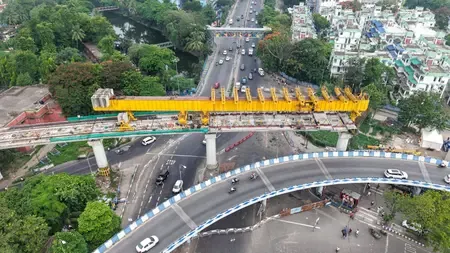
Completion of the Purple Line will provide new mass-transit connectivity for Kolkata 's commuters and ease road congestion.
Union Minister Ashwini Vaishnaw on Friday, 10 July 2026, congratulated the engineering team behind a key tunnelling milestone on the Purple Line of the Kolkata Metro, as Tunnel Boring Machine Durga achieved a breakthrough — marking a significant step forward in expanding India's oldest underground rail network.
Context
In his post on X, the Minister wrote: 'Engineering excellence beneath the city. TBM Durga achieves breakthrough at purple line of Kolkata Metro. Congratulations to the team!' The message signals the successful completion of a tunnel drive by TBM Durga, a named tunnel boring machine deployed on the Purple Line corridor. Breakthrough events — when a TBM exits at its target shaft — are critical construction milestones that clear the path for track-laying and systems installation.
Kolkata, the capital of West Bengal, is home to India's first metro rail system, which began commercial operations in October 1984. Decades on, the city's metro network continues to expand through multiple new corridors, with the Purple Line being among the newer additions under active construction.
Policy Backdrop
The expansion of Kolkata Metro draws on the framework established by the Metro Rail Policy 2017, which set out central government guidelines and funding structures for metro projects across Indian cities. The policy has underpinned a wave of metro construction that has added hundreds of kilometres of new lines nationally since the mid-2010s.
The Kolkata Metro Rail Corporation (KMRC) manages the newer corridors, operating alongside the older network. Central government support — channelled through the Ministry of Railways — has been instrumental in sustaining the financial and technical momentum of these projects. Vaishnaw, as Union Minister of Railways, holds direct administrative oversight of metro rail expansion.
Stakeholders and Impact
The primary beneficiaries of the Purple Line's progress are Kolkata's millions of daily commuters, who face persistent road congestion across the city. A completed Purple Line corridor would offer a new mass-transit option, reducing travel times and easing pressure on the existing metro lines and surface transport.
West Bengal's urban development authorities and local civic bodies are also key stakeholders, as metro expansion intersects with land use, utilities, and last-mile connectivity planning. For the engineering and construction teams on the ground, the TBM Durga breakthrough represents a concrete operational achievement in a technically demanding underground environment.
What's Next
With the tunnelling breakthrough complete, the focus on the Purple Line shifts to track-laying, electrification, signalling installation, and systems integration — the sequential steps required before any section can be opened to passengers. Phased commercial opening of Purple Line sections and their integration with Kolkata's existing metro network will be closely watched by commuters and urban planners alike.
The milestone also adds to a broader national narrative of accelerating metro rail delivery, with the central government keen to demonstrate tangible infrastructure progress across major Indian cities ahead of future policy and budgetary cycles.
Point of View
The congratulatory message reinforces the BJP-led Centre's political investment in visible urban infrastructure delivery. Kolkata, governed by the Trinamool Congress, is a city where the Centre and state frequently contest credit for development projects, making such announcements carry an implicit political dimension beyond their technical significance. The milestone fits a broader pattern of the Ministry of Railways using social media to build a real-time narrative of infrastructure momentum ahead of electoral cycles.
NationPress
8 Oct 2026
Frequently Asked Questions
What is TBM Durga and what did it achieve?
TBM Durga is a tunnel boring machine deployed on the Purple Line of the Kolkata Metro. It achieved a 'breakthrough' — the moment a TBM completes its tunnel drive and exits at the target shaft — which is a critical milestone in metro construction, clearing the way for track and systems work.
What is the Purple Line of Kolkata Metro?
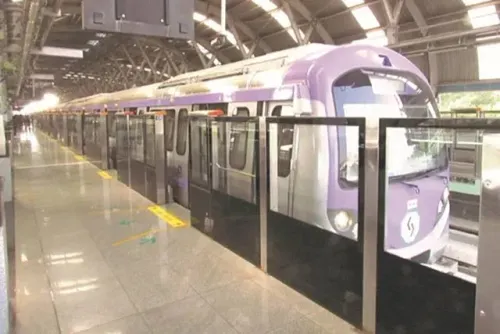
The Purple Line is one of the newer corridors under construction as part of Kolkata Metro's ongoing network expansion. It is being developed to extend mass-transit connectivity across new parts of the city, managed under the Kolkata Metro Rail Corporation.
Why is Ashwini Vaishnaw involved in Kolkata Metro?
As Union Minister of Railways, Ashwini Vaishnaw holds administrative oversight of metro rail projects that receive central government funding and support. Kolkata Metro's expansion corridors fall under this purview, making the Ministry of Railways a key stakeholder in their progress.
When did Kolkata Metro first start operations?
Kolkata Metro commenced commercial operations in October 1984, making it India's first underground metro rail system. The network has since expanded significantly with multiple new lines and corridors under various phases of construction.
What happens after a TBM breakthrough in metro construction?
After a TBM breakthrough, the tunnel is prepared for track-laying, followed by electrification, signalling, and systems integration. These sequential steps must be completed before any section of the line can be opened for passenger services.