CM Fadnavis: Maharashtra hits 99.48% charge sheet rate in women crime cases
Synopsis
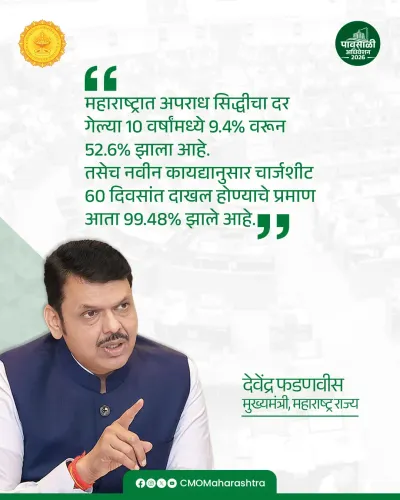
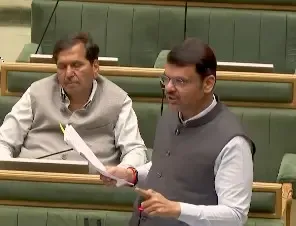
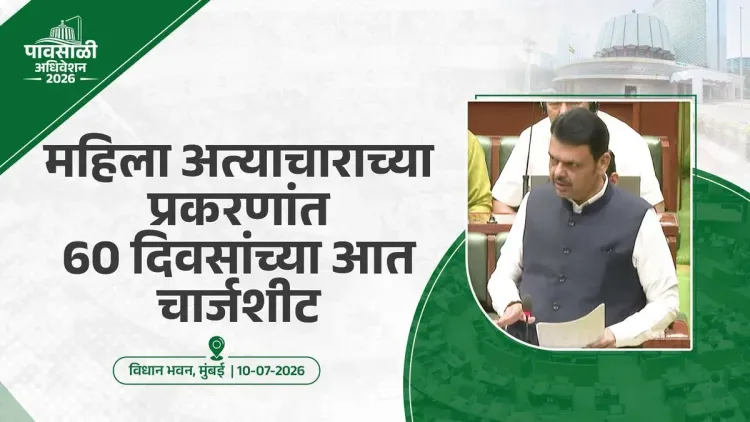
Maharashtra Chief Minister Devendra Fadnavis told the state assembly on 10 July 2026 that police have achieved a 99.48% rate of filing charge sheets within 60 days in crimes against women cases, citing it as a marker of effective law enforcement under the state home department.
Key Takeaways
Maharashtra has achieved a 99.48% rate of filing charge sheets within 60 days in crimes against women cases.
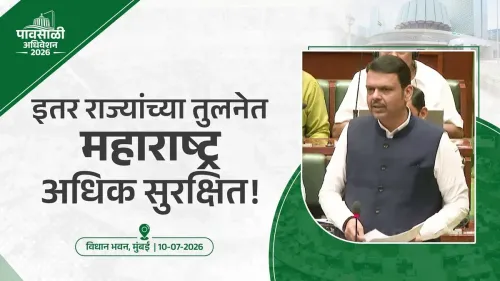
The announcement was made by Chief Minister Devendra Fadnavis on the floor of the Maharashtra Legislative Assembly on 10 July 2026 .
The 60-day deadline is mandated under Section 167 of the Code of Criminal Procedure, 1973 ; missing it can entitle the accused to default bail.
The Criminal Law (Amendment) Act, 2013 , passed after the Nirbhaya case , strengthened investigation timelines for sexual offences.
Fadnavis holds the home portfolio in addition to the chief ministership, making policing performance a direct political accountability issue for him.
Annual crime statistics from the state home department will be the key document to verify the figure across all districts and offence types.
Maharashtra Chief Minister Devendra Fadnavis informed the Maharashtra Legislative Assembly on 10 July 2026 that the state has achieved a 99.48 per cent rate of filing charge sheets within 60 days in cases of crimes against women, citing it as evidence of effective implementation by the state police.
Context
Speaking during the Monsoon Session 2026 at the Vidhan Sabha in Mumbai, Fadnavis stated in both English and Marathi: 'महिला अत्याचाराच्या प्रकरणांमध्ये 60 दिवसांच्या आत चार्जशीट दाखल करण्याची प्रभावी अंमलबजावणी होत असून, त्याचे प्रमाण 99.48% पर्यंत पोहोचले आहे' ('The effective implementation of filing charge sheets within 60 days in cases of crimes against women is underway, and the rate has reached 99.48%'). The statement was made on the floor of the assembly, lending it the weight of an official government declaration.
The figure positions Maharashtra as one of the highest-performing states on this specific metric, signalling a push by the state home department — which Fadnavis also holds — to demonstrate accountability in the criminal justice pipeline for women victims.
Policy Backdrop
The statutory basis for the 60-day charge sheet deadline lies in Section 167 of the Code of Criminal Procedure, 1973, which mandates that police complete investigations and file charge sheets within 60 to 90 days, depending on the severity of the offence. Failure to do so entitles the accused to default bail, which can undermine prosecution in serious cases.
The urgency around these timelines was sharpened by the Criminal Law (Amendment) Act, 2013, enacted in the aftermath of the 2012 Nirbhaya case, which introduced stricter procedures and timelines for sexual offence investigations. Since then, states across India have pursued administrative drives to meet these deadlines and improve conviction rates in crimes against women.
Maharashtra has periodically placed police performance metrics — including charge sheet filing rates — before the assembly, treating them as governance indicators rather than purely internal police benchmarks.
Stakeholders and Impact
The direct beneficiaries of faster charge sheet filing are women victims of crimes including assault, sexual offences, and domestic violence, as timely charge sheets reduce the risk of accused persons obtaining default bail and strengthen the evidentiary record for trial courts. Delays in charge sheet filing have historically been cited by legal advocates as a structural barrier to justice in such cases.
For the Maharashtra Police, the near-universal compliance rate — if sustained — represents a significant operational achievement, requiring coordination across hundreds of police stations in urban and rural districts alike. The metric also has implications for the state's standing in national crime-statistics comparisons compiled annually by the home ministry.
What's Next
The Monsoon Session 2026 is expected to see further scrutiny of the state home department's performance data, including conviction rates and trial timelines, which advocacy groups argue are the true measure of justice delivery beyond the charge sheet stage. The state home department's annual crime report will be a key document to watch for corroboration of the 99.48 per cent figure across districts and offence categories.
Any legislative proposals to strengthen investigation protocols or increase accountability for delays — including digital case-tracking systems — are likely to be signalled during the remaining days of the session, given the CM's emphasis on measurable policing outcomes.
Point of View
He bears direct accountability for police functioning, making this metric a personal political asset. The emphasis on procedural compliance — charge sheet filing — rather than outcomes like convictions suggests the government is benchmarking inputs it can more readily control. Sustaining this figure across Maharashtra's vast and varied police jurisdictions, and eventually linking it to conviction-rate improvements, will determine whether the statistic translates into durable credibility on women's safety.
NationPress
10 Jul 2026
Frequently Asked Questions
What is the 60-day charge sheet rule in India for crimes against women?
Under Section 167 of the Code of Criminal Procedure, 1973, police must file a charge sheet within 60 to 90 days of arrest depending on the offence. If they fail to do so, the accused becomes entitled to default bail, which can jeopardise prosecution in serious cases including crimes against women.
What did CM Devendra Fadnavis say about charge sheets in the Maharashtra Assembly?
On 10 July 2026, during the Monsoon Session, Fadnavis stated that Maharashtra has achieved a 99.48% rate of filing charge sheets within 60 days in cases of crimes against women, describing it as effective implementation by the state police.
Why is filing a charge sheet within 60 days important in women crime cases?
Timely charge sheet filing prevents accused persons from obtaining default bail, preserves the evidentiary record, and accelerates the trial process — all of which are critical for securing justice for women victims of crime.
What is the Criminal Law Amendment Act 2013 and how does it relate to this?
The Criminal Law (Amendment) Act, 2013 was enacted after the 2012 Nirbhaya case and introduced stricter timelines and procedures for investigating sexual offences, reinforcing the urgency of meeting charge sheet deadlines in crimes against women.
Who holds the home portfolio in Maharashtra in 2026?
Chief Minister Devendra Fadnavis holds the home portfolio in Maharashtra, making him directly responsible for the functioning and performance of the state police, including investigation timelines in crimes against women.